


**1. The Imperative of Safety**:
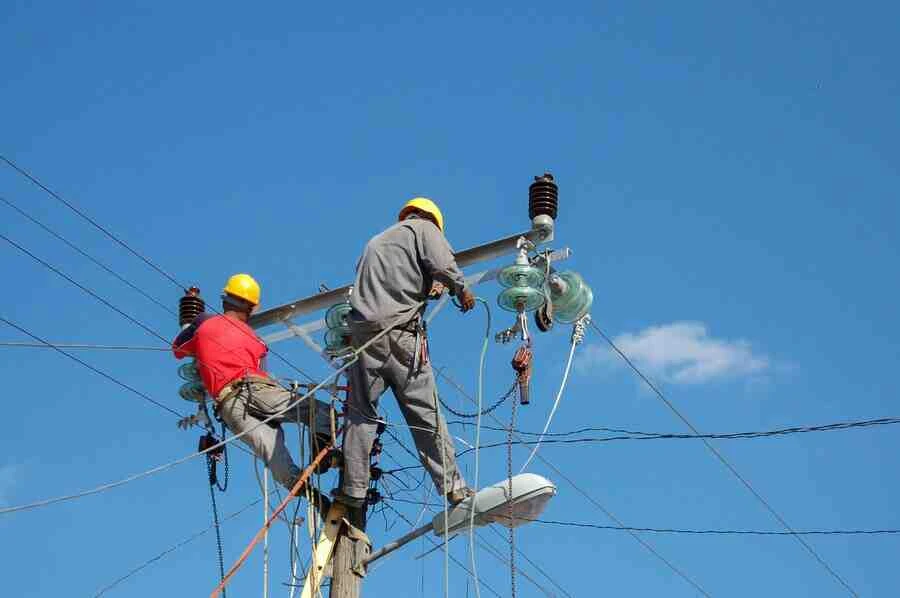
Electrical work involves exposure to high voltage, which can result in severe injuries, fires, and even fatalities. Non-compliance with safety regulations can lead to accidents, significant property damage, and legal consequences. Thus, prioritizing safety is not just a legal obligation but a moral one as well.
**2. Regulations and Codes**:
Various regulations and codes govern electrical work, depending on the country, state, and municipality. In the United States, the National Electrical Code (NEC) and the Occupational Safety and Health Administration (OSHA) standards are key references. Electrical contractors must be well-versed in the specific regulations that apply to their geographic location.
**3. OSHA Electrical Standards**:
OSHA"s electrical standards focus on a range of electrical hazards, including electrical shock, electrocution, fires, and explosions. Key requirements include electrical safety training, the use of personal protective equipment (PPE), equipment maintenance, and proper labeling of electrical systems. OSHA standards also address electrical work in hazardous locations.
**4. Training and Education**:
Proper training is the cornerstone of electrical safety. Electricians and electrical workers must undergo comprehensive training in electrical systems, equipment, and safety procedures. Training should encompass recognizing hazards, safe work practices, emergency response, and first aid.
**5. Personal Protective Equipment (PPE)**:
PPE is essential in electrical work to safeguard against electric shock and arc flash incidents. Workers should be equipped with insulated gloves, safety glasses, flame-resistant clothing, and appropriate head protection. The use of PPE is mandated by OSHA, and its proper use is vital for compliance.
**6. Equipment Maintenance and Inspection**:
Regular maintenance and inspection of electrical equipment are essential. Defective or malfunctioning equipment can lead to accidents. Electrical systems should be inspected for signs of wear, damage, or corrosion, and any issues should be promptly addressed.
**7. Lockout/Tagout Procedures**:
Lockout/tagout procedures are crucial to prevent accidental startup of equipment during maintenance. OSHA has specific regulations in place to ensure the proper use of these procedures, which involve isolating equipment from energy sources and tagging it to indicate it should not be energized.
**8. Hazardous Locations**:
In facilities where flammable or explosive materials are present, special precautions must be taken to prevent electrical equipment from causing ignition. Compliance with the NEC and OSHA regulations for hazardous locations is vital.
**9. Emergency Response Plans**:
Having well-defined emergency response plans is essential. These plans should include procedures for responding to electrical accidents, fires, electrocutions, and first aid measures.
**10. Regular Updates and Training**:
Safety regulations and best practices evolve over time. It is imperative for electrical contractors to stay updated with the latest safety standards and continuously train their workforce to ensure compliance and adapt to changing safety requirements.
In conclusion, compliance with health and safety regulations in electrical work is non-negotiable. It is the responsibility of electrical contractors, electricians, and all workers involved in electrical projects to prioritize safety. By following the prescribed safety measures, staying informed about regulations, and investing in training and education, the electrical industry can maintain a culture of safety and reduce the risks associated with electrical work.

Architects play a pivotal role in designing buildings that are not only aesthetically pleasing but also safe and functional. One of the crucial aspects of architectural design is ensuring compliance w...

In the realm of architectural design, aesthetics, and functionality often take center stage. However, a paramount concern that should never be overlooked is safety. The safety of occupants and users i...

Explore the delicate balance between sustainability innovation and safety regulations in architectural design. Discover how architects create eco-friendly yet safe spaces.

Discover the latest seismic safety innovations for architects in the UK. Stay informed to design resilient structures in low-seismic-risk regions.
Explore fire safety in UK architecture. Learn about codes, fire-resistant materials, and design strategies to protect lives and property in architectural projects.

Discover the importance of designing inclusively in architecture. Learn how to meet the unique needs of disabled individuals and create accessible spaces for all.
Sign up to start winning an unlimited amount of jobs near you.


 Electrician
Gas Engineer
Electrician
Gas Engineer


Send more enquiries and explore your options
Increasing the number of potentials leads for you!
Have more control and flexibility over your finances!