

The Dangers of Damp Work
Damp work can encompass a wide range of activities, from fixing a minor plumbing issue to addressing extensive water damage in a building. Regardless of the scale, there are inherent dangers associated with working in damp environments. These dangers include:
Mold and Mildew: Damp environments provide the ideal breeding ground for mold and mildew. Exposure to these allergens can lead to a variety of health issues, from respiratory problems to skin irritations.
Slip and Fall Hazards: Wet surfaces are a primary cause of slips, trips, and falls. In a construction or renovation setting, this can lead to serious injuries.
Electrical Risks: Water and electricity do not mix. Damp work often involves working around electrical components, making the risk of electric shock or fire a significant concern.
Structural Damage: Dampness can weaken the structural integrity of a building over time. Engaging in work without proper precautions can lead to accidents, such as collapsing walls or ceilings.
Chemical Exposure: Depending on the source of moisture, there may be chemicals present in the damp environment, such as sewage or industrial waste, which can pose serious health risks.
Understanding Health and Safety Regulations
To mitigate these dangers, governments and regulatory bodies worldwide have established health and safety regulations that must be adhered to when engaging in damp work. These regulations are designed to protect the health and well-being of workers, occupants, and the environment. Compliance with these regulations is not just a legal requirement, but a moral obligation to ensure the safety of all involved.
Risk Assessment: Before commencing any damp work, it is crucial to conduct a thorough risk assessment. Identify potential hazards and evaluate the risks associated with the task at hand. This assessment will guide the safety measures you need to implement.
Personal Protective Equipment (PPE): Adequate PPE is a cornerstone of damp work safety. Depending on the specific hazards present, PPE may include waterproof clothing, gloves, respiratory protection, and safety goggles. Always ensure that the PPE is in good condition and properly fitted.
Training and Education: Workers should receive comprehensive training on the specific hazards of damp work and how to mitigate them. Regular workshops and training sessions should be conducted to keep workers updated on the latest safety procedures.
Ventilation: Adequate ventilation is essential in damp work areas to prevent the buildup of harmful fumes, gases, and the dispersion of airborne contaminants.
Electrical Safety: Ensure all electrical equipment is properly grounded and protected against moisture. Use ground fault circuit interrupters (GFCIs) to prevent electrical accidents.
Chemical Safety: If dealing with chemicals in damp environments, proper storage, handling, and disposal procedures must be followed. Always have the necessary safety data sheets (SDS) on hand.
Structural Stability: If working in areas with compromised structural integrity, ensure that proper bracing and supports are in place to prevent accidents.
Compliance in Action
To illustrate the importance of compliance with health and safety regulations in damp work, let"s consider a case study:
Case Study: A Homeowner"s Dilemma
Sarah, a homeowner, noticed a persistent leak in her basement. Concerned about the damage it might cause, she decided to tackle the issue herself. Without conducting a proper risk assessment, she ventured into her damp basement without any protective gear. While trying to repair the leak, she accidentally touched an exposed wire, leading to a severe electrical shock.
In this scenario, Sarah"s failure to adhere to health and safety regulations had serious consequences. If she had followed the guidelines, such as using waterproof gloves, proper electrical safety measures, and conducting a risk assessment, she could have prevented the accident.
The Financial and Legal Implications
Non-compliance with health and safety regulations not only puts lives at risk but can also have significant financial and legal consequences. Fines, legal actions, increased insurance premiums, and the cost of compensation for injured workers can all lead to substantial financial burdens for businesses and individuals alike.
Furthermore, reputational damage can be long-lasting. Businesses that fail to prioritize health and safety can suffer a tarnished reputation, making it challenging to secure contracts and customers in the future.
Conclusion
Compliance with health and safety regulations in damp work is not an option; it"s a necessity. The dangers associated with working in damp environments are too severe to be taken lightly. By conducting proper risk assessments, implementing safety measures, and providing adequate training, we can minimize the risks and protect the well-being of those involved.
Whether you"re a professional contractor or a homeowner taking on a DIY project, remember that safety should always be the top priority. By doing so, you not only ensure legal compliance but, more importantly, you safeguard lives and property. Damp work may be challenging, but with the right approach to safety, it can be carried out effectively and without harm.

Architects play a pivotal role in designing buildings that are not only aesthetically pleasing but also safe and functional. One of the crucial aspects of architectural design is ensuring compliance w...

In the realm of architectural design, aesthetics, and functionality often take center stage. However, a paramount concern that should never be overlooked is safety. The safety of occupants and users i...
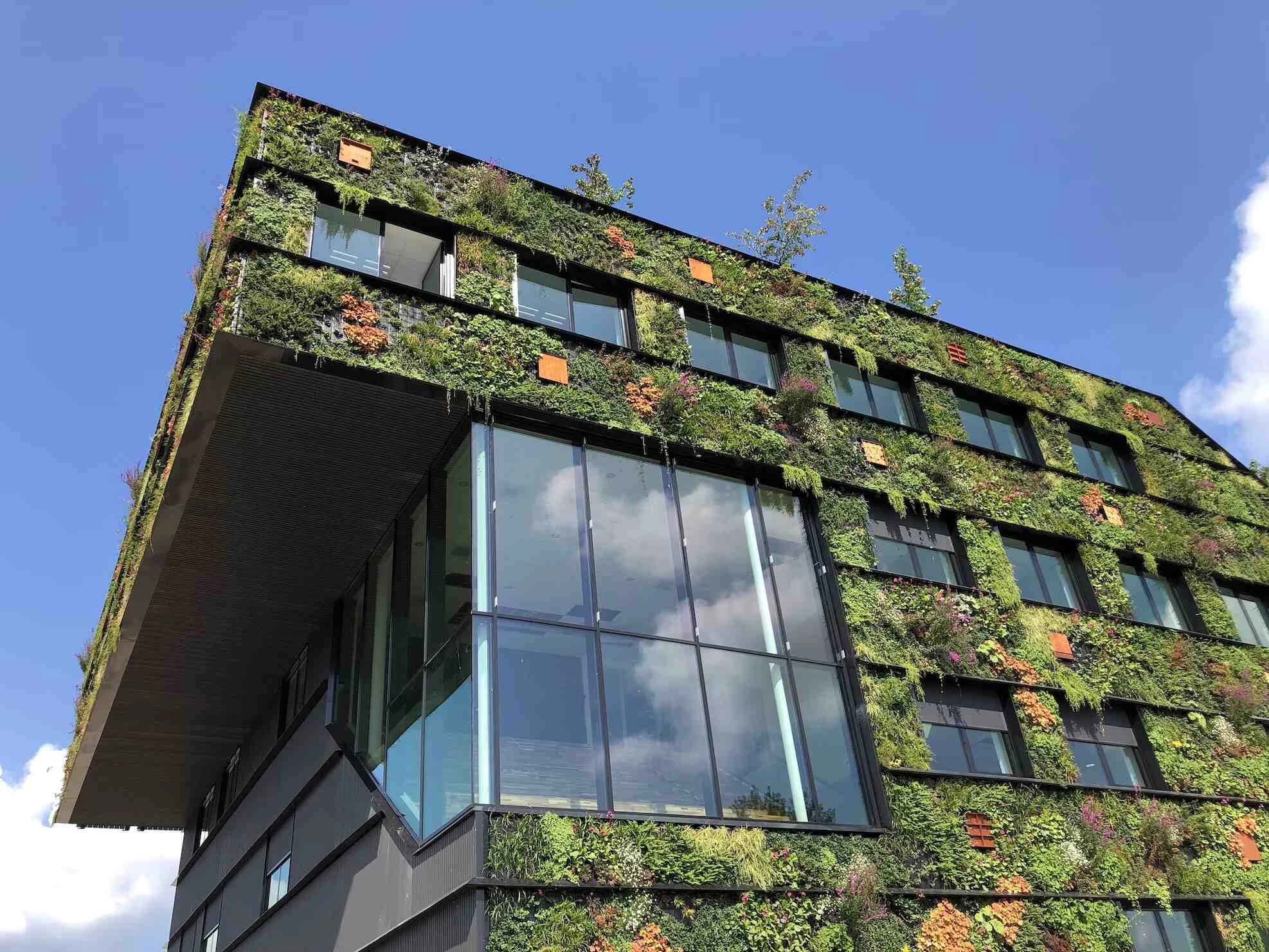
Explore the delicate balance between sustainability innovation and safety regulations in architectural design. Discover how architects create eco-friendly yet safe spaces.
Discover the latest seismic safety innovations for architects in the UK. Stay informed to design resilient structures in low-seismic-risk regions.
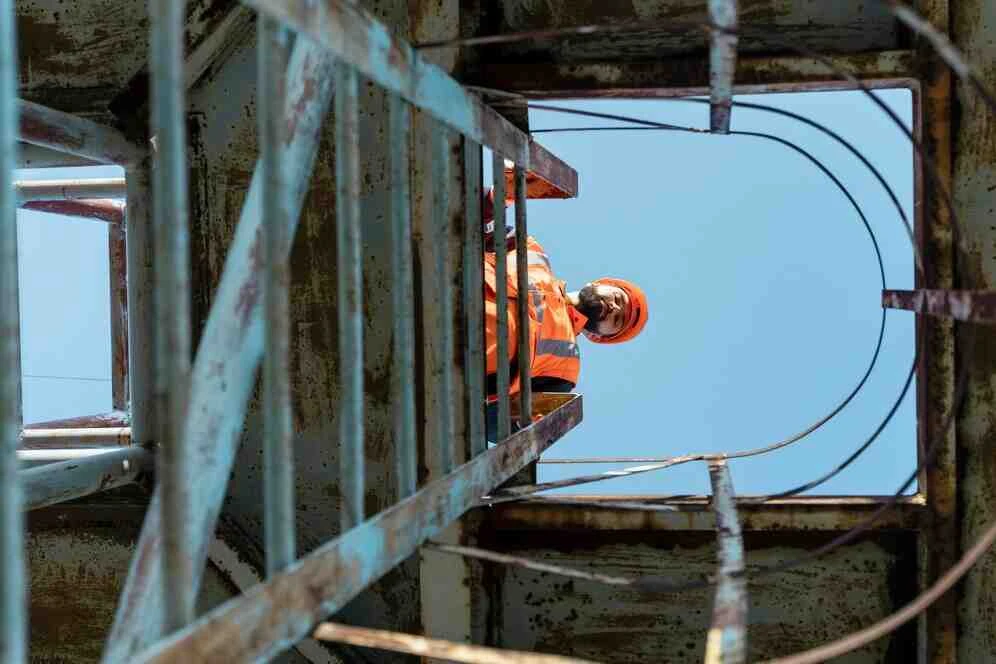
Explore fire safety in UK architecture. Learn about codes, fire-resistant materials, and design strategies to protect lives and property in architectural projects.
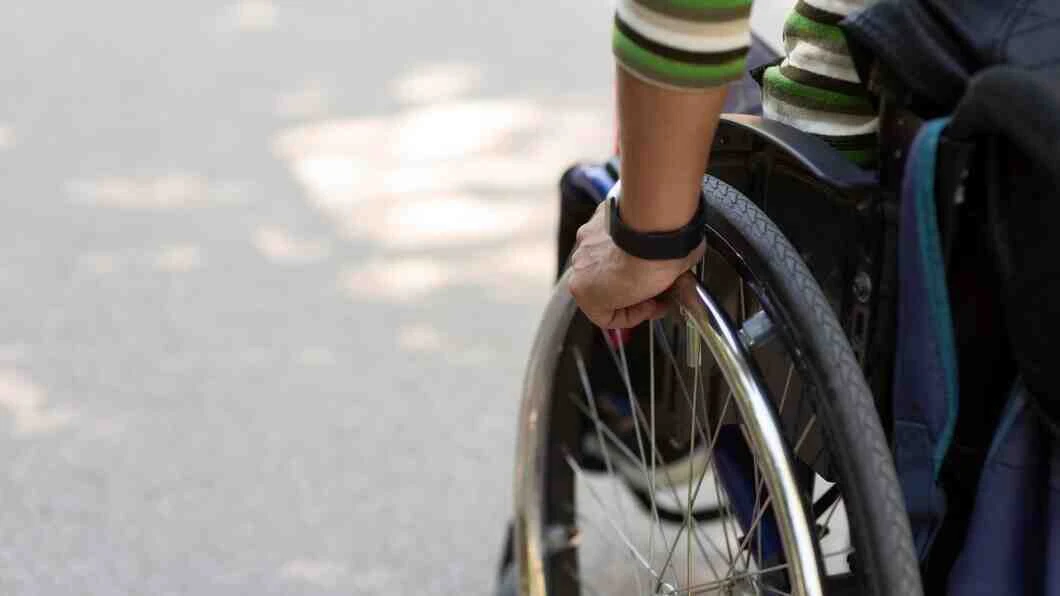
Discover the importance of designing inclusively in architecture. Learn how to meet the unique needs of disabled individuals and create accessible spaces for all.
Sign up to start winning an unlimited amount of jobs near you.


 Electrician
Gas Engineer
Electrician
Gas Engineer


Send more enquiries and explore your options
Increasing the number of potentials leads for you!
Have more control and flexibility over your finances!