


The Importance of Health and Safety Regulations
Conservatories are often designed to be harmonious extensions of indoor spaces, letting in natural light and warmth while protecting inhabitants from the elements. Yet, this blend of indoor and outdoor environments poses unique challenges that must be addressed through health and safety regulations. Here are a few key reasons why compliance is crucial:
1. Structural Integrity: Ensuring that the conservatory is built with the appropriate materials and structural design is fundamental. A strong framework is necessary to withstand various weather conditions, such as heavy rain, snow, and gusty winds. Without this, the conservatory could be vulnerable to damage, posing a safety risk to anyone inside.
2. Glazing and Ventilation: Conservatories are predominantly composed of glass, making it essential to comply with regulations regarding glazing. Proper glazing ensures that the glass used is strong enough to prevent breakage and that it is installed securely to minimize the risk of accidents. Adequate ventilation is also vital to prevent overheating during hot spells and maintain air quality within the conservatory.
3. Electrical and Heating Systems: Electrical and heating systems in conservatories need to meet safety standards to prevent the risk of fire and electrical accidents. Improper installation or faulty systems can lead to dangerous situations that could harm both people and plants.
4. Accessibility: If your conservatory is a public space, accessibility regulations must be followed to ensure that everyone, regardless of physical ability, can safely enjoy the space.
5. Hazard Mitigation: From slippery floors to the presence of sharp-edged plants, conservatories can pose a variety of hazards that must be addressed through proper maintenance and safety protocols.
Common Compliance Issues
Despite the clear importance of health and safety regulations in conservatories, compliance issues often arise. Here are some of the most common problems that conservatory owners encounter:
1. Neglected Maintenance: Over time, conservatories can suffer wear and tear, leading to structural weaknesses, leaks, or malfunctioning systems. Neglecting regular maintenance can result in costly repairs or even safety hazards.
2. Inadequate Glazing: In some cases, conservatories are constructed with insufficient or subpar glazing materials. This not only affects energy efficiency but also puts inhabitants at risk in the event of glass breakage.
3. Poor Ventilation: Inadequate ventilation can lead to unbearable temperatures, especially during the summer months. Without proper airflow, conservatories can become uninhabitable, impacting their functionality and safety.
4. Electrical and Heating Issues: Faulty electrical and heating systems can lead to electrical fires or carbon monoxide leaks. This poses a severe threat to the safety of those inside the conservatory.
5. Non-compliance with Accessibility Standards: If a conservatory is open to the public, failing to meet accessibility standards can result in discrimination issues and even legal trouble.
Creating Safe and Serene Conservatories: Practical Solutions
Now that we"ve discussed the importance of compliance and common issues, let"s explore some practical solutions to ensure your conservatory is a safe and serene space for everyone:
1. Regular Maintenance: Implement a routine maintenance schedule to inspect the conservatory"s structure, glazing, and systems. Address any issues promptly to prevent them from worsening.
2. Quality Glazing: Ensure that the conservatory is constructed with high-quality, safety-rated glazing materials. Double-glazed or toughened glass can provide added security and insulation benefits.
3. Effective Ventilation: Invest in proper ventilation systems, including windows and roof vents. You can also consider installing shading systems to regulate temperature and protect against excessive sunlight.
4. Electrical and Heating Inspections: Regularly check the electrical and heating systems to ensure they are in good working order. Hire professionals for installations and repairs to prevent accidents.
5. Accessibility Upgrades: If your conservatory is open to the public, make the necessary adjustments to ensure it is accessible to everyone. This includes ramps, handrails, and accommodating restroom facilities.
6. Hazard Management: Address any potential hazards, such as slippery floors, sharp plants, or uneven surfaces. Implement safety measures like non-slip flooring, rounded planters, and clear signage.
7. Emergency Preparedness: Have a plan in place for emergencies, including fire safety measures, first-aid kits, and clear exit paths. Ensure all occupants are aware of these measures.
8. Compliance Monitoring: Stay informed about local building codes and safety regulations. Regularly review and update your conservatory to meet these standards.
Conclusion
Conservatories offer a unique and enchanting space for relaxation and rejuvenation, but ensuring their safety is paramount. Compliance with health and safety regulations is not just a matter of legal obligation; it is about creating a space that is truly safe and serene for everyone. By addressing common compliance issues and implementing practical solutions, you can enjoy the beauty and tranquility of your conservatory with the peace of mind that it is a haven for all who enter.
Architects play a pivotal role in designing buildings that are not only aesthetically pleasing but also safe and functional. One of the crucial aspects of architectural design is ensuring compliance w...
In the realm of architectural design, aesthetics, and functionality often take center stage. However, a paramount concern that should never be overlooked is safety. The safety of occupants and users i...
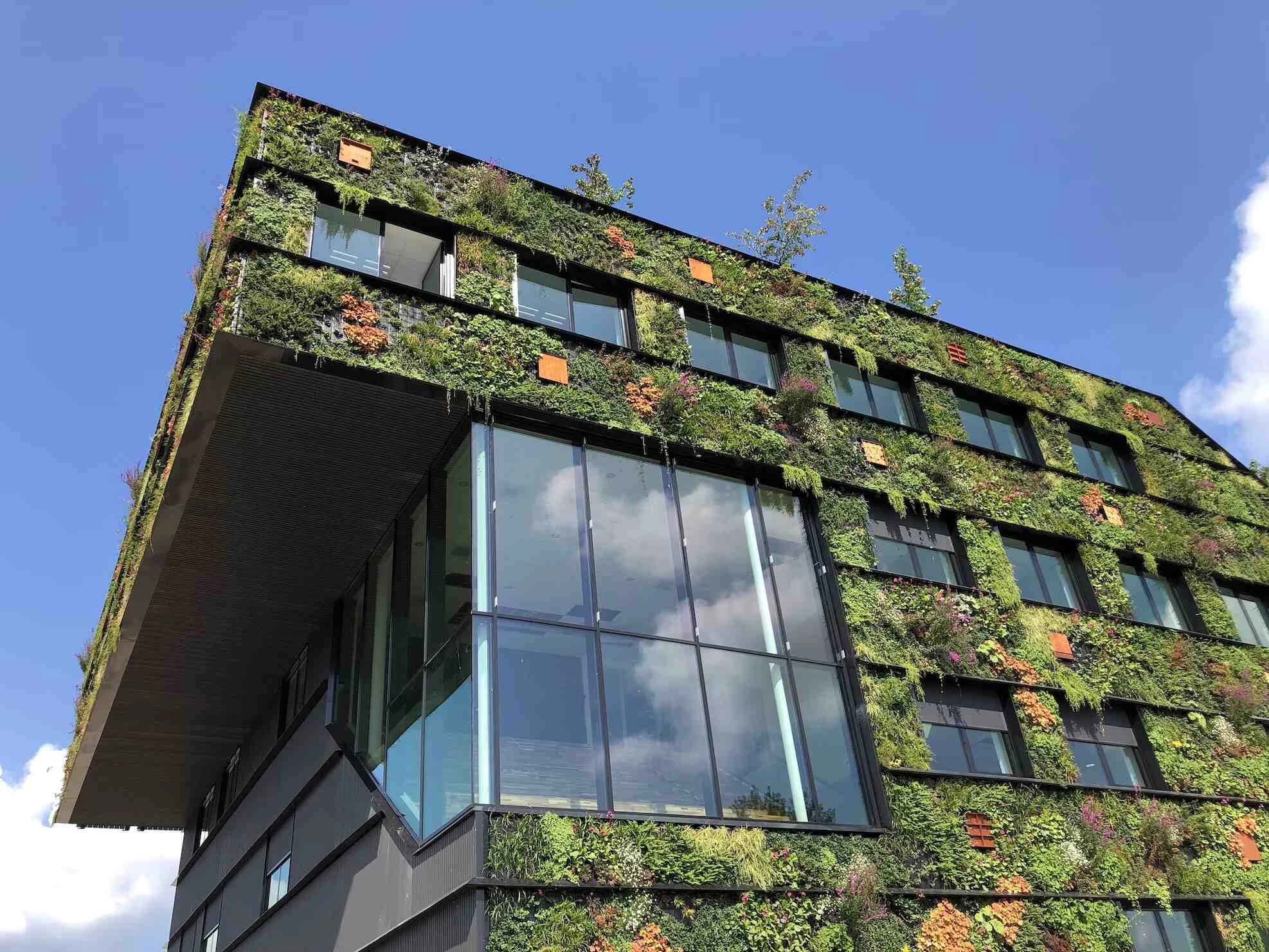
Explore the delicate balance between sustainability innovation and safety regulations in architectural design. Discover how architects create eco-friendly yet safe spaces.
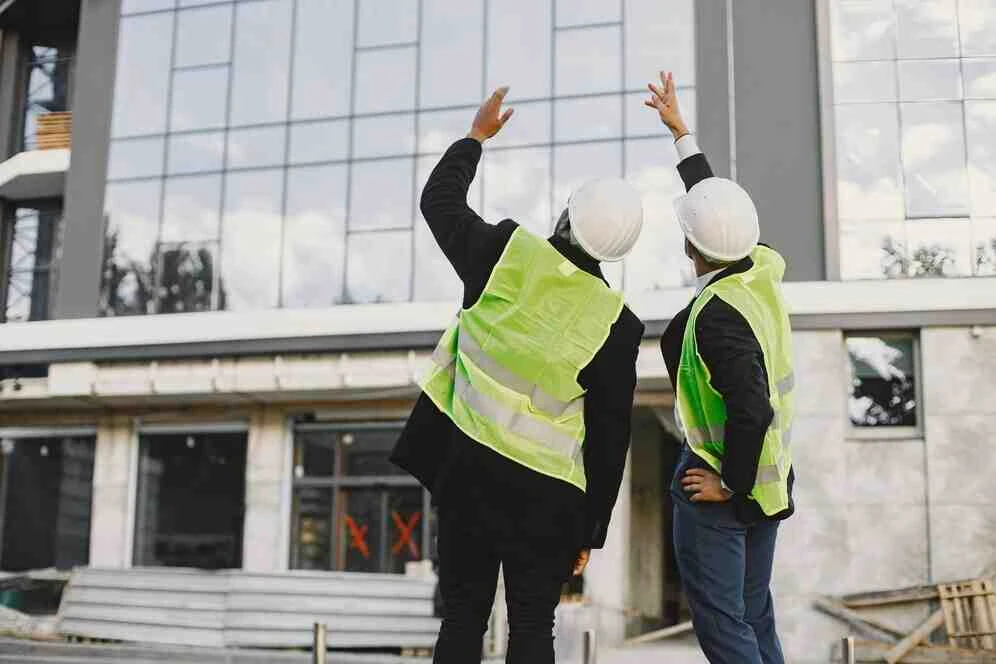
Discover the latest seismic safety innovations for architects in the UK. Stay informed to design resilient structures in low-seismic-risk regions.
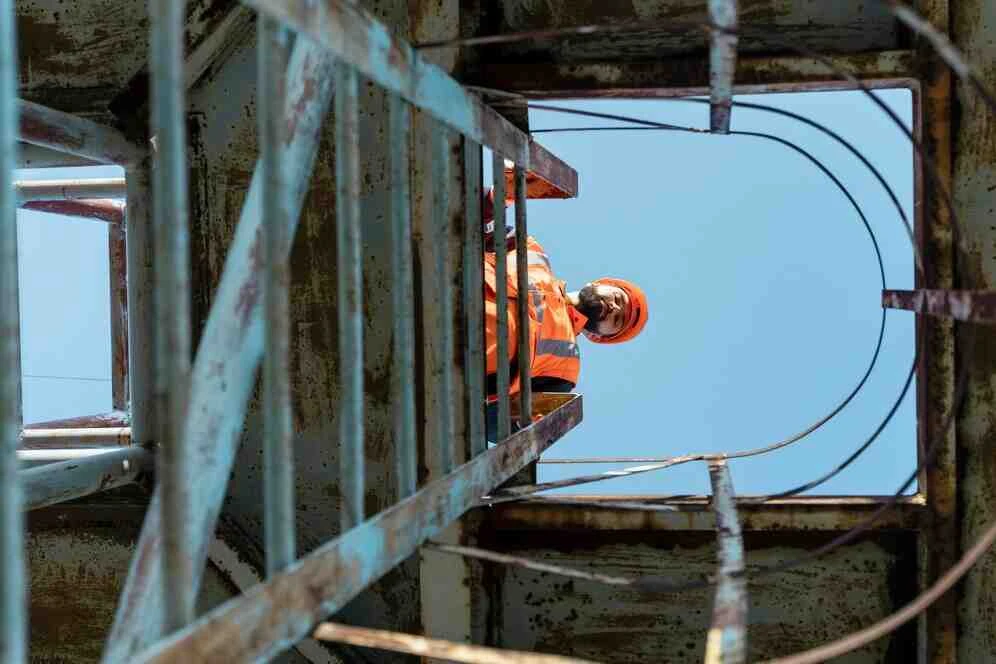
Explore fire safety in UK architecture. Learn about codes, fire-resistant materials, and design strategies to protect lives and property in architectural projects.
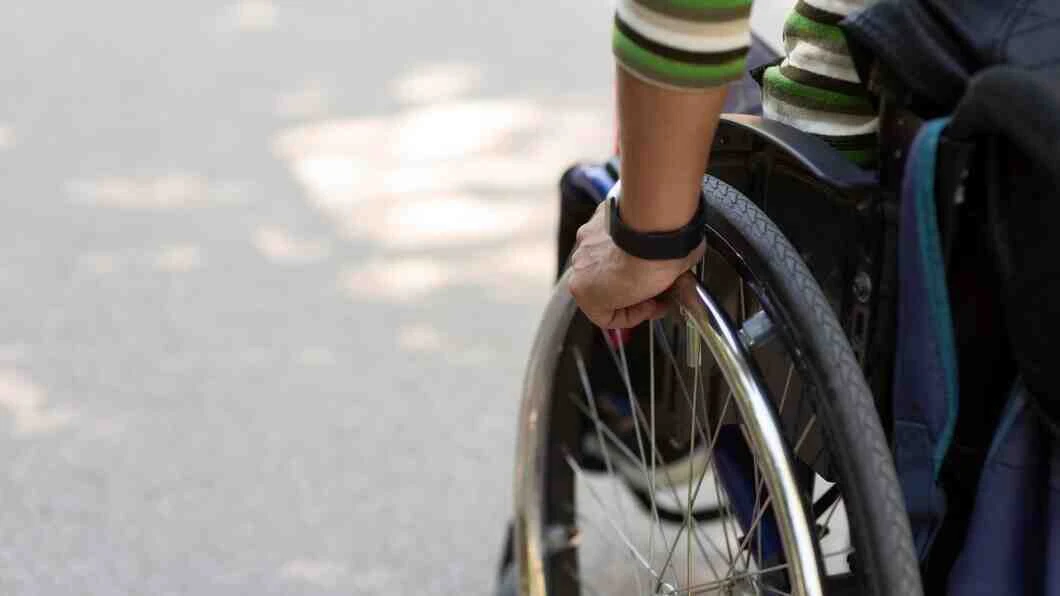
Discover the importance of designing inclusively in architecture. Learn how to meet the unique needs of disabled individuals and create accessible spaces for all.
Sign up to start winning an unlimited amount of jobs near you.


 Electrician
Gas Engineer
Electrician
Gas Engineer


Send more enquiries and explore your options
Increasing the number of potentials leads for you!
Have more control and flexibility over your finances!