


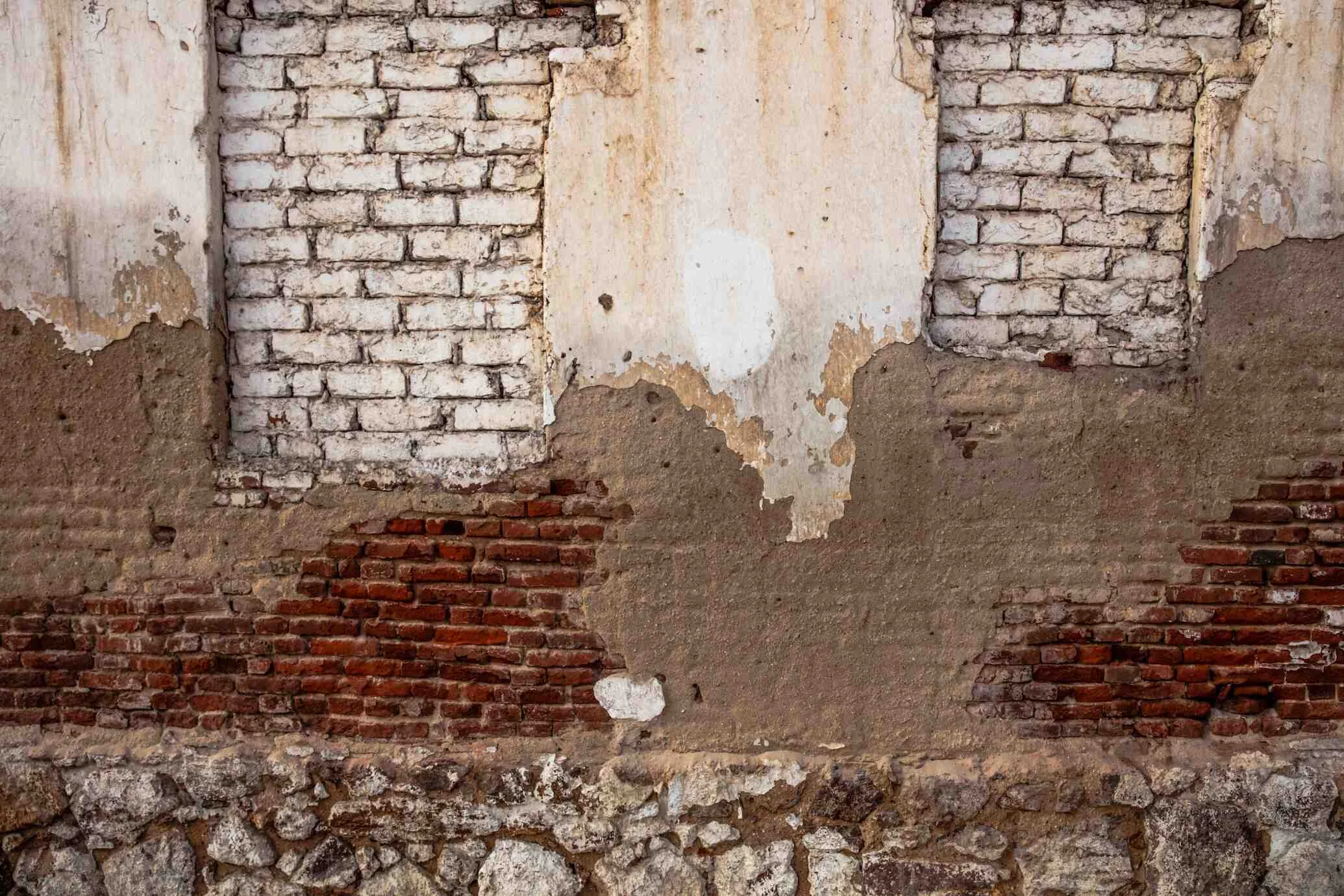
The Significance of Health and Safety Regulations in Brickwork
The most crucial reason for compliance with health and safety regulations in brickwork is to protect the lives and well-being of construction workers. Bricklaying involves working with heavy materials, tools, and equipment, which can pose serious risks if not handled properly. Falling bricks, exposure to harmful dust and chemicals, and accidents involving machinery are some of the potential dangers on a brickwork site. Following safety regulations ensures that workers are trained to identify and mitigate these risks, reducing the likelihood of accidents and injuries.
Construction sites are notorious for their high accident rates, and brickwork is no exception. Non-compliance with health and safety regulations can result in accidents such as falls, slips, trips, and crushing injuries. By adhering to regulations, construction companies can minimize these risks, leading to fewer accidents and injuries. This not only protects the well-being of workers but also reduces the financial and legal repercussions associated with workplace accidents.
Failure to comply with health and safety regulations can lead to severe legal and financial consequences for construction companies. Violations can result in fines, penalties, and even criminal charges. In addition to these direct costs, companies may face higher insurance premiums and potential lawsuits from injured workers. By investing in proper safety measures and compliance, construction firms can protect their reputation and financial stability.
Key Health and Safety Regulations in Brickwork
Personal protective equipment is essential for bricklayers and other construction workers. It includes items such as hard hats, safety glasses, gloves, high-visibility vests, and steel-toed boots. The use of PPE is mandated by regulations to protect workers from head injuries, eye injuries, hand injuries, and other potential hazards on the job site.
Falls from heights are one of the leading causes of injuries in the construction industry. Regulations require the use of fall protection measures, such as guardrails, safety nets, and personal fall arrest systems, when working at heights. These measures help prevent workers from falling and sustaining serious injuries.
Construction materials often contain hazardous chemicals that can pose health risks. Workers have the right to know about these hazards and how to protect themselves. Health and safety regulations mandate the use of Material Safety Data Sheets (MSDS) and proper labeling of hazardous materials on construction sites.
Scaffolding is frequently used in bricklaying and requires strict adherence to safety regulations. Regulations cover aspects such as scaffold design, assembly, inspection, and use. Properly constructed and maintained scaffolds prevent accidents and falls.
Brickwork can generate hazardous dust and fumes, especially when cutting or grinding bricks. Workers should use respiratory protection equipment, such as dust masks or respirators, when exposed to airborne contaminants.
Machinery used in bricklaying, such as concrete mixers and cutting equipment, must meet safety standards and be operated by trained personnel. Lockout/tagout procedures should also be followed to prevent accidental machine starts.
Proper training is the foundation of health and safety compliance. Construction companies should provide comprehensive training to their workers on the safe use of equipment, handling of materials, and recognition of potential hazards.
Conclusion
Compliance with health and safety regulations in brickwork is not just a legal requirement; it"s a moral obligation. It ensures the protection of workers" lives, reduces accidents and injuries, and safeguards a construction company"s reputation and financial stability. By following regulations related to personal protective equipment, fall protection, hazard communication, scaffolding safety, respiratory protection, machine safety, and training, construction companies can create a safer work environment for everyone involved.
In an industry where accidents can be devastating, investing in safety measures and adhering to regulations is a wise choice. It"s a commitment to building not only structures but also a culture of safety that benefits everyone in the construction industry and the communities they serve. So, remember, when it comes to brickwork, safety should always be the first brick laid.

Architects play a pivotal role in designing buildings that are not only aesthetically pleasing but also safe and functional. One of the crucial aspects of architectural design is ensuring compliance w...
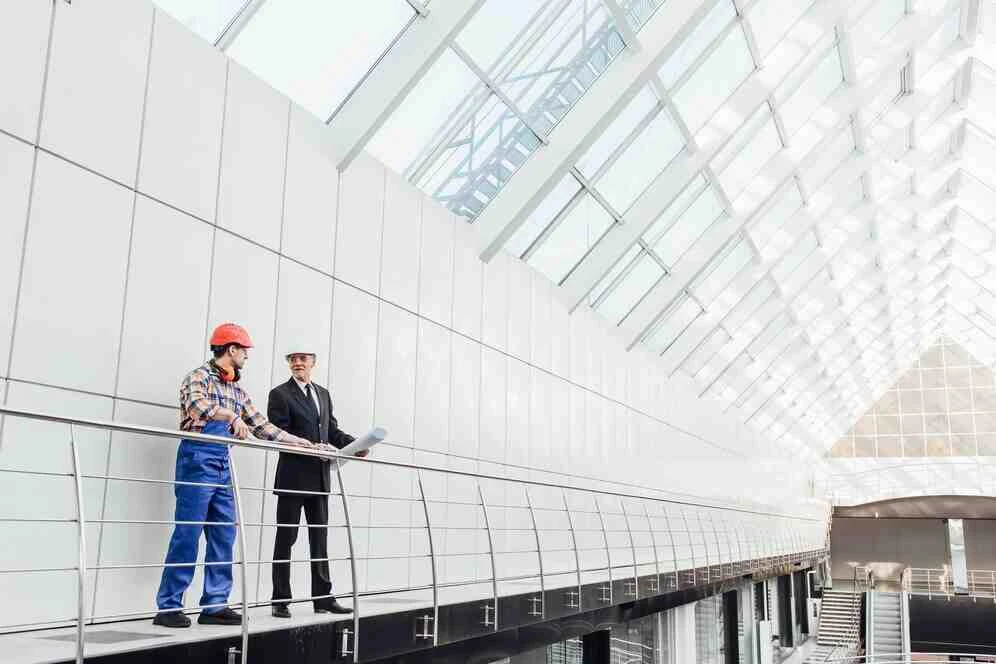
In the realm of architectural design, aesthetics, and functionality often take center stage. However, a paramount concern that should never be overlooked is safety. The safety of occupants and users i...

Explore the delicate balance between sustainability innovation and safety regulations in architectural design. Discover how architects create eco-friendly yet safe spaces.
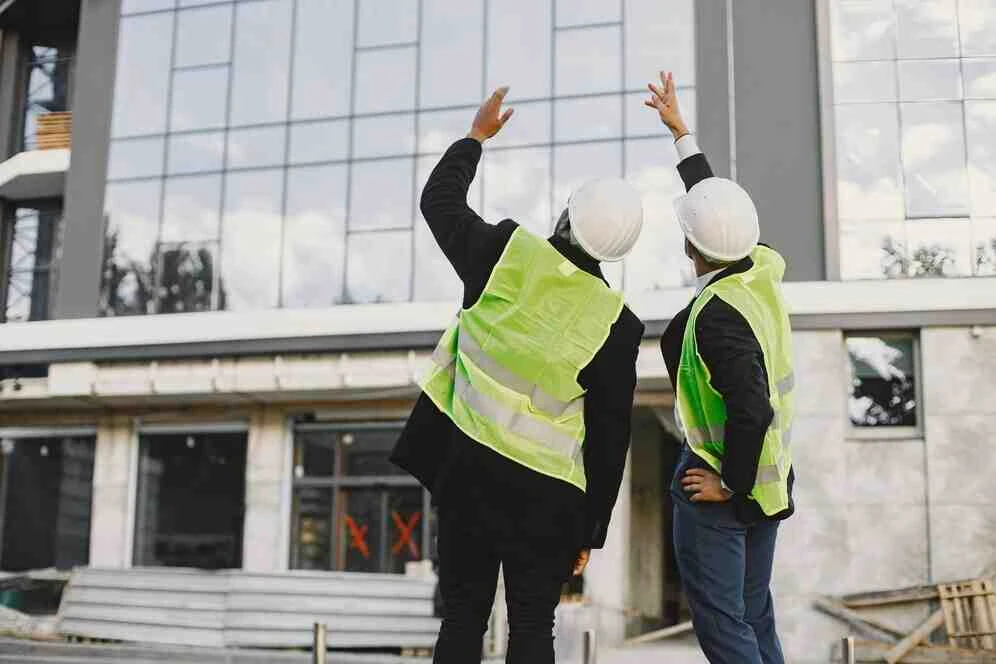
Discover the latest seismic safety innovations for architects in the UK. Stay informed to design resilient structures in low-seismic-risk regions.
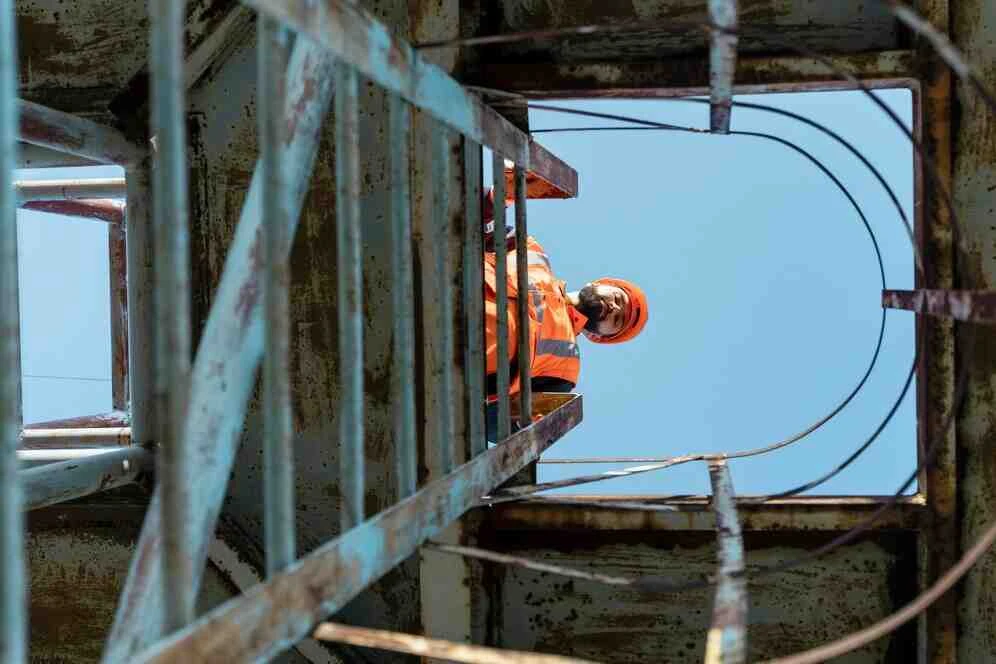
Explore fire safety in UK architecture. Learn about codes, fire-resistant materials, and design strategies to protect lives and property in architectural projects.
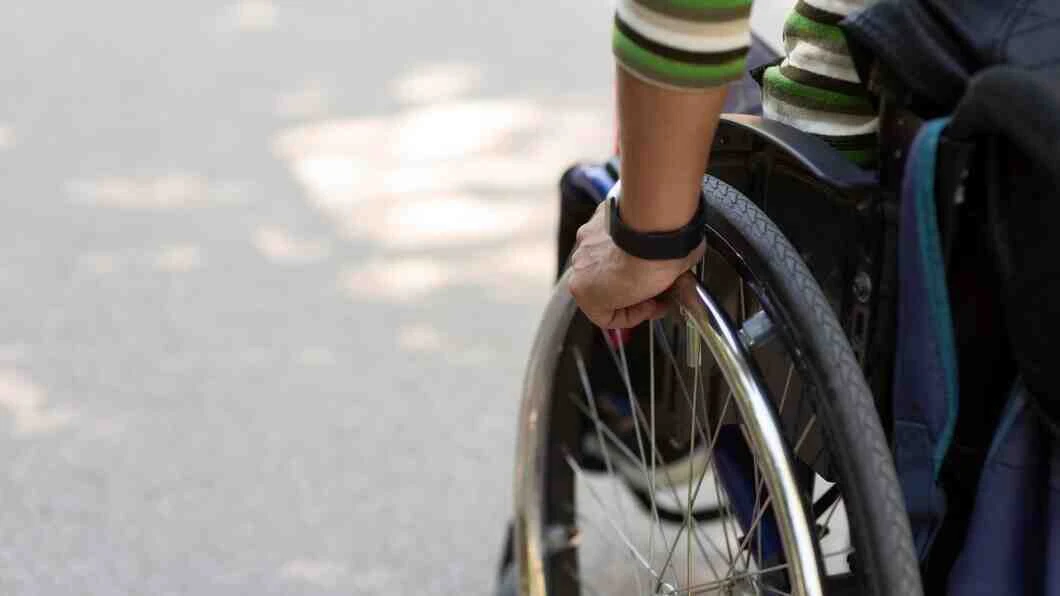
Discover the importance of designing inclusively in architecture. Learn how to meet the unique needs of disabled individuals and create accessible spaces for all.
Sign up to start winning an unlimited amount of jobs near you.


 Electrician
Gas Engineer
Electrician
Gas Engineer


Send more enquiries and explore your options
Increasing the number of potentials leads for you!
Have more control and flexibility over your finances!