

1. Structural Integrity
Challenge: Existing structures may have deteriorated over time, making them vulnerable to structural issues during conversion projects. The structural condition can be compromised by factors like aging, water damage, or previous modifications.
Solution: A thorough structural assessment is essential before the project begins. Engage structural engineers to evaluate the existing conditions and determine necessary repairs or reinforcements. Ensure that workers are aware of areas with potential structural vulnerabilities, and implement safety measures to protect them.
2. Hazardous Materials
Challenge: Older buildings may contain hazardous materials such as asbestos, lead-based paint, or mold. Disturbing these materials can pose significant health risks to construction workers and occupants.
Solution: Conduct thorough environmental assessments and hazardous material surveys before the project starts. If hazardous materials are identified, follow proper removal and disposal procedures in compliance with environmental regulations. Provide workers with specialized training and personal protective equipment (PPE) for handling these materials safely.
3. Space Constraints
Challenge: Conversion projects often involve working in confined spaces, which can increase the risk of accidents and injuries, especially in densely populated urban areas.
Solution: Develop a comprehensive plan for working in confined spaces. This plan should include safe access and egress routes, adequate lighting, and a clear communication strategy. Ensure that workers are trained in confined space entry and rescue procedures and have access to appropriate safety equipment.
4. Historical Preservation
Challenge: Many conversion projects involve historic structures that require preservation. Balancing the need for safety measures with historical preservation can be challenging.
Solution: Collaborate closely with preservation experts and ensure that safety measures align with preservation guidelines. Use specialized equipment and techniques to protect historical features and materials while adhering to safety practices.
5. Electrical and Mechanical Systems
Challenge: Older buildings may have outdated electrical and mechanical systems that pose risks, such as fire hazards or electrical shock, if not properly maintained.
Solution: Conduct a comprehensive assessment of existing electrical and mechanical systems. Upgrade or replace outdated systems as needed to comply with modern safety standards. Implement strict fire safety measures, including fire-resistant barriers and smoke detectors, and ensure that all work complies with electrical codes.
6. Asbestos and Lead-Based Paint
Challenge: Identifying and managing asbestos and lead-based paint can be complex and requires careful handling to protect the health of workers and occupants.
Solution: Conduct thorough testing and abatement of asbestos and lead-based paint as needed. Use certified abatement professionals to ensure compliance with environmental regulations. Workers should receive specialized training and PPE for handling these materials.
7. Emergency Preparedness
Challenge: Existing buildings may not have adequate emergency response plans or facilities in place, which can pose risks during conversion projects.
Solution: Develop comprehensive emergency response plans for various scenarios, including fires, medical emergencies, and natural disasters. Ensure that all workers are trained in emergency procedures and have access to first-aid kits, fire extinguishers, and emergency contact information.
Conclusion
Construction conversion projects come with unique safety challenges, but with careful planning and diligent execution, these challenges can be effectively addressed. Structural assessments, hazardous material surveys, and close collaboration with preservation experts are all crucial steps. Moreover, providing workers with specialized training, proper PPE, and clear emergency response plans will enhance safety while preserving the integrity of the existing structure. Safety should always be a top priority in construction conversion projects to protect both the people involved and the historical and architectural significance of the structures.
Architects play a pivotal role in designing buildings that are not only aesthetically pleasing but also safe and functional. One of the crucial aspects of architectural design is ensuring compliance w...
In the realm of architectural design, aesthetics, and functionality often take center stage. However, a paramount concern that should never be overlooked is safety. The safety of occupants and users i...
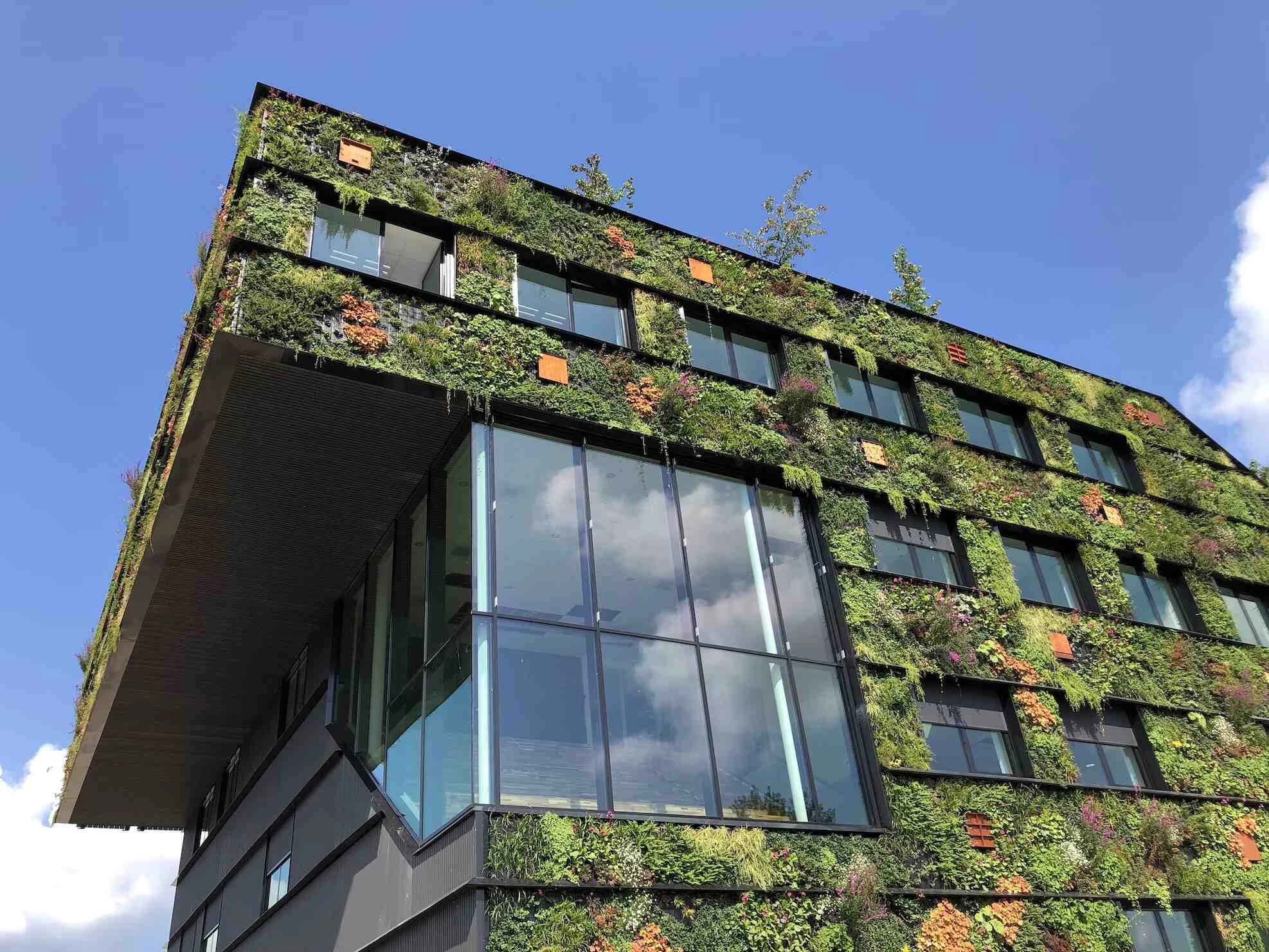
Explore the delicate balance between sustainability innovation and safety regulations in architectural design. Discover how architects create eco-friendly yet safe spaces.
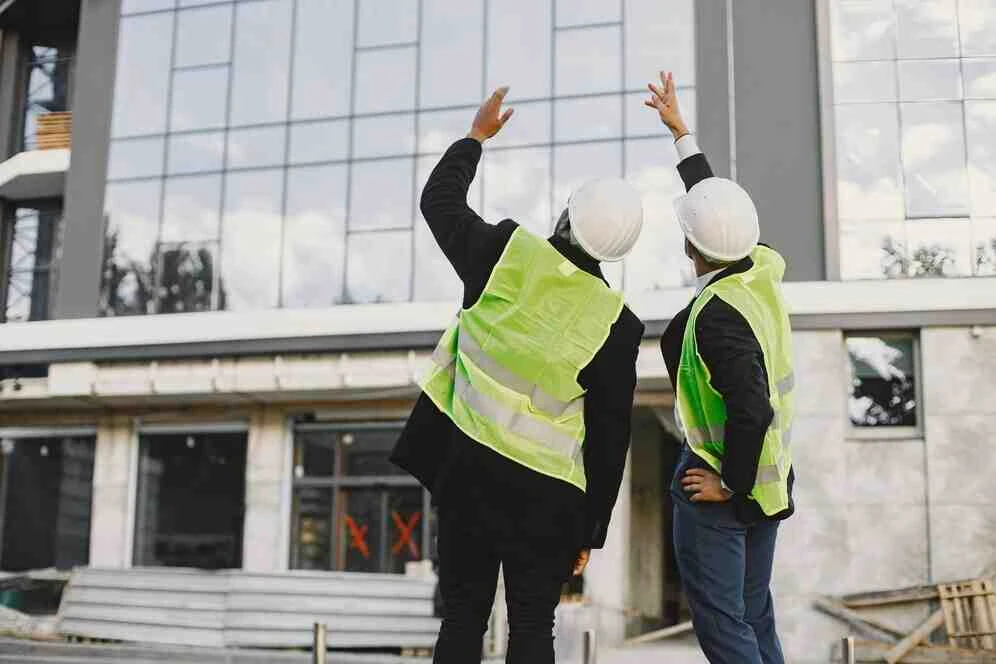
Discover the latest seismic safety innovations for architects in the UK. Stay informed to design resilient structures in low-seismic-risk regions.
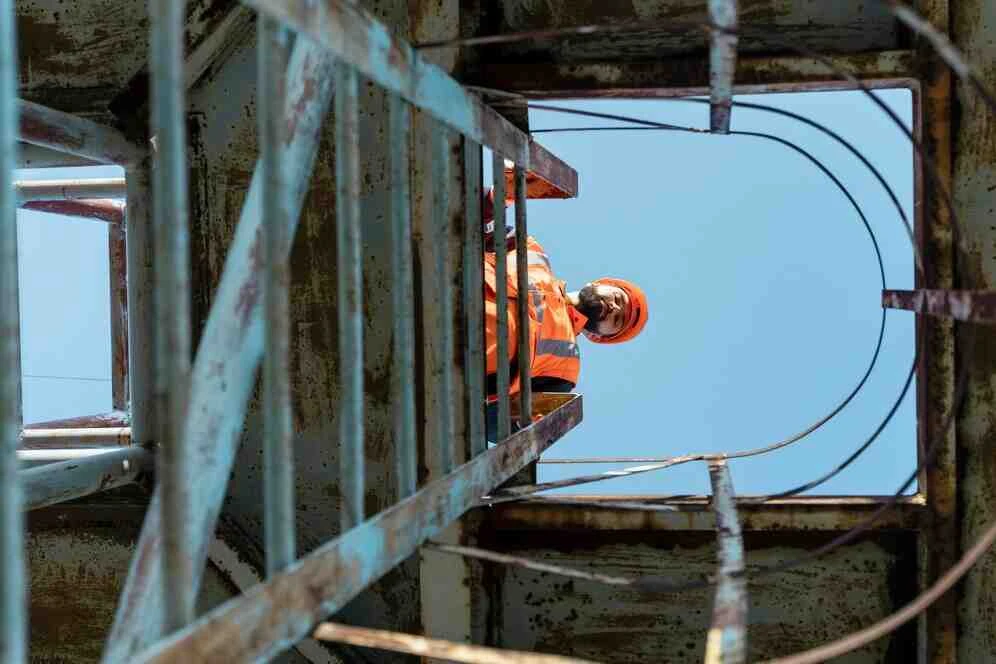
Explore fire safety in UK architecture. Learn about codes, fire-resistant materials, and design strategies to protect lives and property in architectural projects.
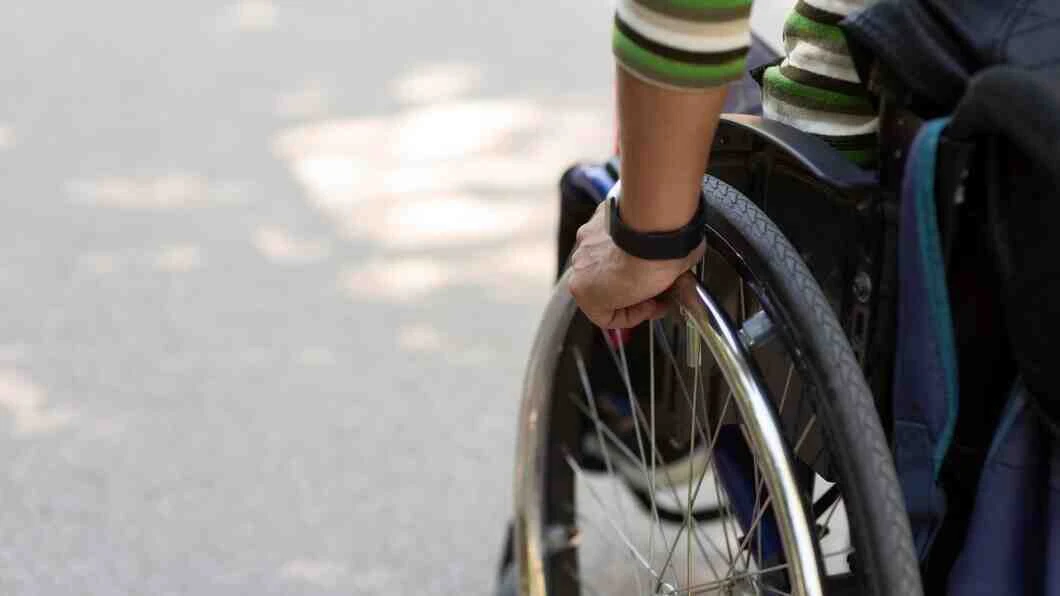
Discover the importance of designing inclusively in architecture. Learn how to meet the unique needs of disabled individuals and create accessible spaces for all.
Sign up to start winning an unlimited amount of jobs near you.


 Electrician
Gas Engineer
Electrician
Gas Engineer


Send more enquiries and explore your options
Increasing the number of potentials leads for you!
Have more control and flexibility over your finances!