


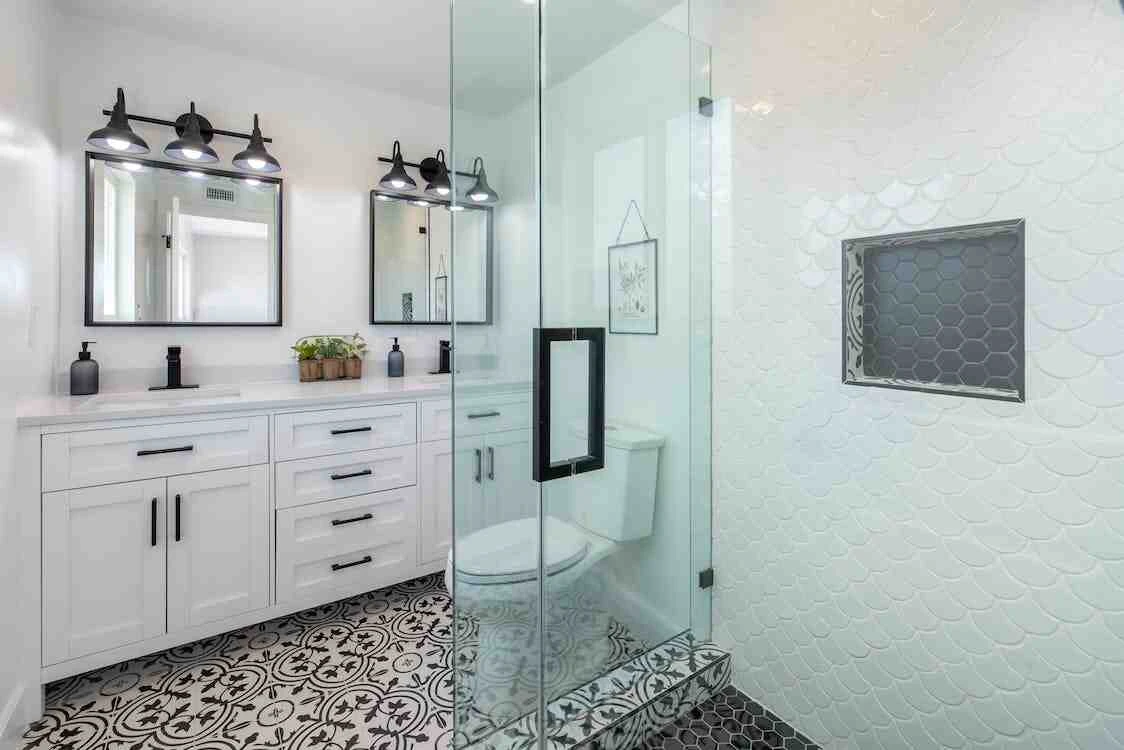
**1. Flooring Materials**
Bathroom flooring needs to withstand moisture, humidity, and daily wear and tear. Here are some popular flooring materials for bathrooms:
- **Ceramic or Porcelain Tiles:** These are durable, water-resistant, and come in various styles and colors. They are also relatively easy to clean and maintain.
- **Vinyl:** Vinyl flooring is cost-effective, water-resistant, and available in a wide range of designs, including options that mimic the look of natural stone or wood.
- **Natural Stone:** Options like marble, granite, or travertine can add elegance to your bathroom. However, they require sealing to protect against moisture.
- **Waterproof Laminate:** Some laminate flooring options are designed to be water-resistant, making them suitable for bathrooms. Ensure that they have a waterproof core.
**2. Wall Materials**
Bathroom walls should be both aesthetically pleasing and moisture-resistant. Here are some common choices:
- **Tiles:** Ceramic or porcelain tiles are often used on bathroom walls. They are easy to clean, waterproof, and come in various sizes and patterns.
- **Paint:** High-quality bathroom paint with a moisture-resistant formula is a cost-effective choice. It allows for versatility in color selection and can be refreshed easily.
- **Wainscoting:** Installing wainscoting or beadboard on lower portions of the walls adds a classic and protective element to your bathroom.
**3. Countertop Materials**
Bathroom countertops should be durable and resistant to moisture and stains. Common countertop materials include:
- **Quartz:** Engineered quartz countertops are low-maintenance, durable, and available in a wide range of colors and patterns.
- **Granite:** Natural granite is both beautiful and sturdy, but it requires periodic sealing to prevent staining.
- **Marble:** Marble countertops are elegant but can be more porous and prone to staining, making them better suited for lower-traffic bathrooms.
- **Solid Surface:** Materials like Corian are non-porous and easy to clean, making them a practical choice for bathroom countertops.
**4. Shower and Bathtub Materials**
The materials you choose for your shower or bathtub area should be water-resistant and visually appealing. Options include:
- **Tile:** Tiles are a common choice for shower and bathtub surrounds due to their water-resistant properties and design versatility.
- **Acrylic or Fiberglass:** These materials are lightweight, cost-effective, and easy to clean, making them suitable for shower and bathtub enclosures.
- **Glass:** Glass enclosures provide an open and spacious feel to the bathroom. They are both stylish and easy to maintain.
**5. Cabinetry and Vanity Materials**
Bathroom cabinetry and vanities need to withstand moisture and provide ample storage space. Materials commonly used for cabinetry include:
- **Plywood or MDF:** These materials are often used as the base for bathroom cabinetry and can be finished with various countertop materials.
- **Solid Wood:** Hardwood cabinets are durable and can add warmth and character to your bathroom. However, they require proper sealing to protect against moisture.
- **Laminate:** Laminate cabinets offer a wide range of colors and patterns, are moisture-resistant, and are easy to clean.
**6. Plumbing Fixture Materials**
Choosing the right materials for your plumbing fixtures, such as faucets and showerheads, is essential for both functionality and aesthetics. Some common options include chrome, stainless steel, brushed nickel, and oil-rubbed bronze. The choice of finish should complement the overall design of your bathroom.
**7. Grout and Sealants**
The choice of grout and sealants is often overlooked but crucial for maintaining the integrity of your bathroom. High-quality grout and sealants prevent moisture penetration, inhibit mold growth, and enhance the longevity of your bathroom materials.
Conclusion
Selecting the right materials for your bathroom is a critical aspect of the renovation or design process. The materials you choose should not only enhance the aesthetics of your space but also provide durability, functionality, and ease of maintenance. By considering factors like moisture resistance, style, and budget, you can create a bathroom that suits your needs and reflects your personal taste while ensuring long-lasting quality and comfort.
Your home is not just a place to live; it"s an expression of your personality and style. One of the most exciting aspects of homeownership is choosing the architectural style that best reflects your t...

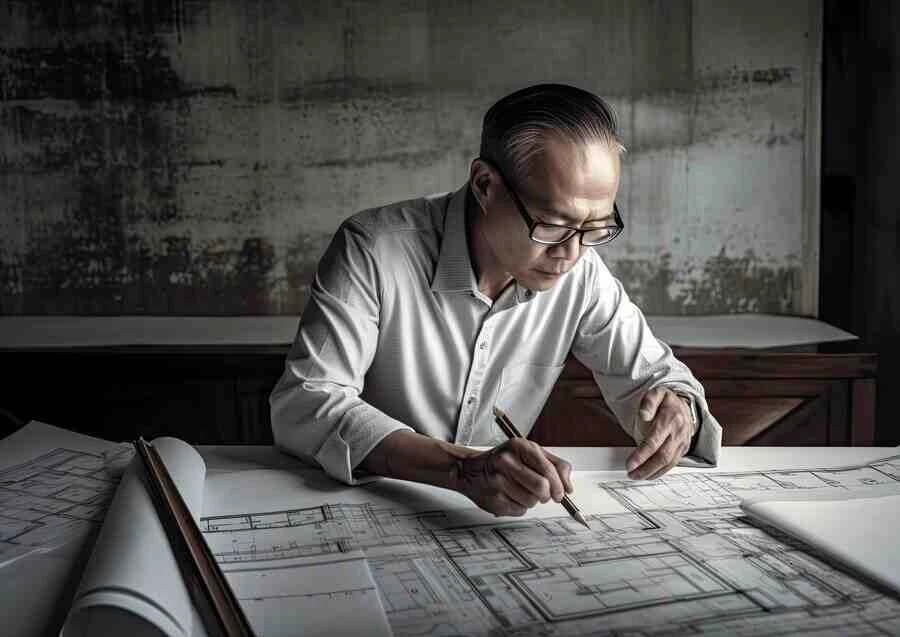
Selecting the right architect is a pivotal step in ensuring the success of your construction project, whether it"s a commercial venture or a home improvement project. Architects play a crucial role in...

Architectural design is a complex and creative process that transforms ideas and concepts into tangible structures that shape our built environment. Whether it"s a stunning skyscraper, a sustainable h...

Embarking on an architectural project, whether it"s designing your dream home, renovating a commercial space, or constructing a public building, demands meticulous financial planning. Budgeting is a c...
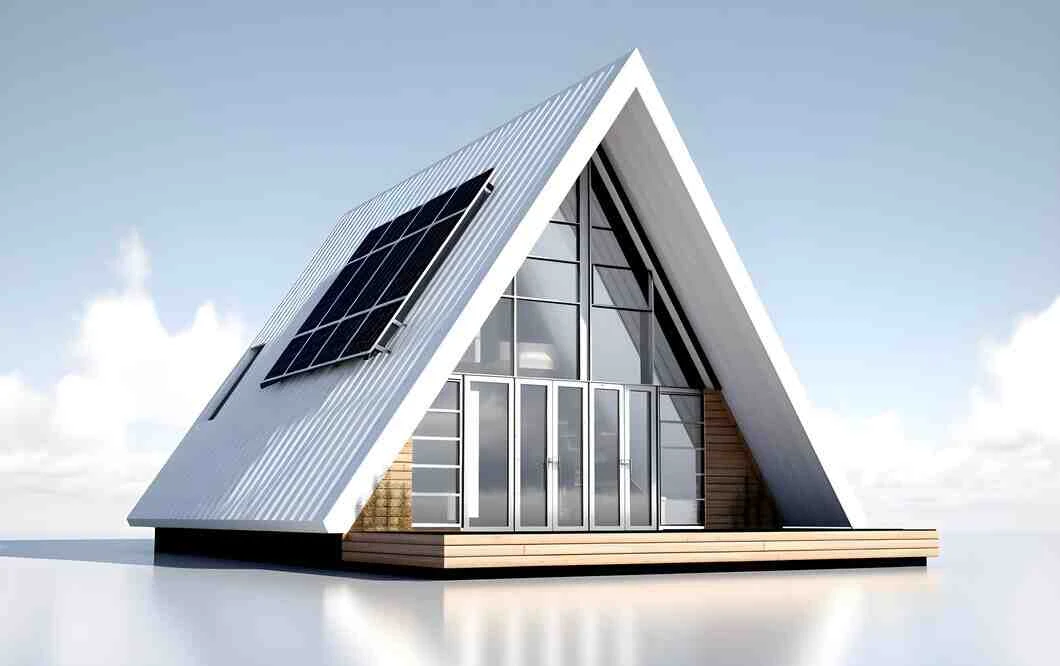
In an era where environmental concerns are at the forefront of our global consciousness, the concept of sustainable architecture has gained significant traction. Sustainable architecture, often referr...
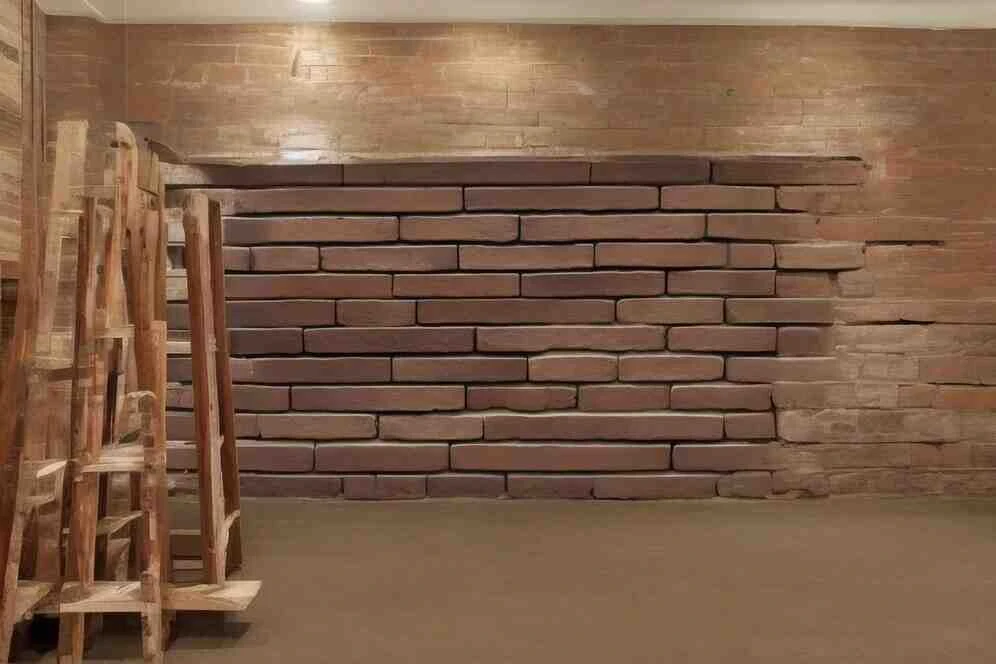
Embarking on a home improvement project can be an exciting but challenging endeavor. When it comes to significant changes, two primary options often come to mind: renovating your existing home or buil...
Sign up to start winning an unlimited amount of jobs near you.


 Electrician
Gas Engineer
Electrician
Gas Engineer


Send more enquiries and explore your options
Increasing the number of potentials leads for you!
Have more control and flexibility over your finances!