


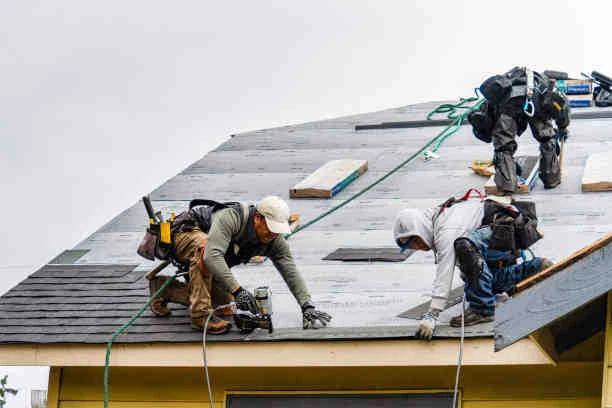
**1. Wood**
**Pros:**
- **Aesthetically Pleasing:** Wood fascias and soffits provide a classic, timeless appearance that complements many architectural styles.
- **Easy to Paint or Stain:** Wood is highly customizable, allowing you to paint or stain it to match your home"s exterior.
- **Natural Insulator:** Wood has natural insulating properties that can help regulate attic temperature.
**Cons:**
- **Maintenance:** Wood requires regular maintenance, including painting or staining, to prevent rot and deterioration.
- **Vulnerable to Pests:** Wood can be susceptible to pests like termites, which can cause significant damage.
- **Higher Initial Cost:** The cost of wood materials and ongoing maintenance can be higher than other options.
**2. Vinyl**
**Pros:**
- **Low Maintenance:** Vinyl is virtually maintenance-free and doesn"t require painting or staining.
- **Durability:** Vinyl is resistant to rot, moisture, and pests, ensuring a long lifespan.
- **Affordability:** Vinyl materials are often more cost-effective than wood or metal alternatives.
- **Various Colors and Styles:** Vinyl comes in a wide range of colors and styles to suit your aesthetic preferences.
**Cons:**
- **Limited Customization:** While available in various colors and styles, vinyl may not offer the same level of customization as wood or metal.
- **Susceptible to Fading:** Over time, vinyl can fade due to exposure to sunlight, affecting its appearance.
**3. Aluminum**
**Pros:**
- **Durable:** Aluminum is resistant to rust, rot, and moisture, making it a long-lasting choice.
- **Low Maintenance:** Like vinyl, aluminum requires minimal maintenance and is easy to clean.
- **Lightweight:** Aluminum is lightweight and easy to work with during installation.
**Cons:**
- **Limited Aesthetics:** Aluminum has a modern, metallic appearance that may not suit all architectural styles.
- **Susceptible to Dents:** While durable, aluminum can dent if struck by heavy objects, such as falling branches.
- **Thermal Expansion:** Aluminum can expand and contract with temperature fluctuations, which may affect its performance over time.
**4. UPVC (Unplasticized Polyvinyl Chloride)**
**Pros:**
- **Durable:** UPVC is resistant to moisture, rot, and pests, ensuring a long lifespan.
- **Low Maintenance:** It requires little to no maintenance and is easy to clean.
- **Energy Efficient:** UPVC provides excellent thermal insulation, helping regulate attic temperature and potentially lowering energy bills.
- **Variety of Colors:** UPVC is available in various colors and styles to suit your preferences.
**Cons:**
- **Upfront Cost:** UPVC materials can be more expensive than vinyl, although they are still cost-effective in the long run.
- **Susceptible to Fading:** Like vinyl, UPVC may fade over time with prolonged exposure to sunlight.
Conclusion
Choosing the right materials for durable fascias and soffits involves considering factors like aesthetics, durability, maintenance, and budget. Each material has its advantages and drawbacks, so it"s essential to evaluate your specific needs and preferences before making a decision. Whichever material you choose, proper installation and regular maintenance will further extend the life of your fascias and soffits, ensuring that they continue to protect and enhance your home for years to come.
Your home is not just a place to live; it"s an expression of your personality and style. One of the most exciting aspects of homeownership is choosing the architectural style that best reflects your t...

Selecting the right architect is a pivotal step in ensuring the success of your construction project, whether it"s a commercial venture or a home improvement project. Architects play a crucial role in...

Architectural design is a complex and creative process that transforms ideas and concepts into tangible structures that shape our built environment. Whether it"s a stunning skyscraper, a sustainable h...

Embarking on an architectural project, whether it"s designing your dream home, renovating a commercial space, or constructing a public building, demands meticulous financial planning. Budgeting is a c...
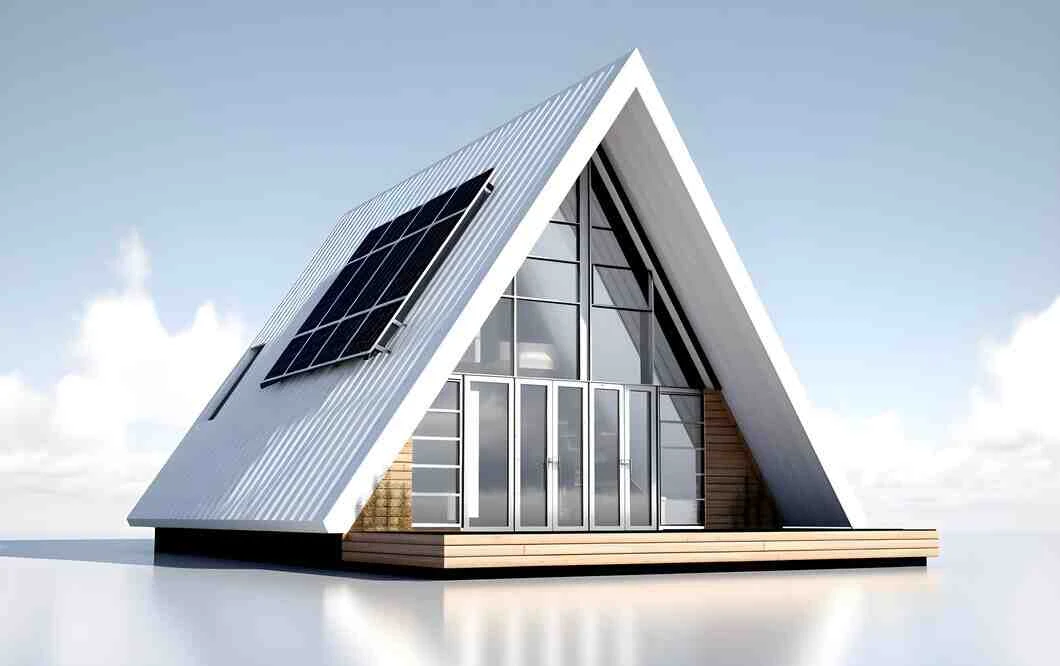
In an era where environmental concerns are at the forefront of our global consciousness, the concept of sustainable architecture has gained significant traction. Sustainable architecture, often referr...
Embarking on a home improvement project can be an exciting but challenging endeavor. When it comes to significant changes, two primary options often come to mind: renovating your existing home or buil...
Sign up to start winning an unlimited amount of jobs near you.


 Electrician
Gas Engineer
Electrician
Gas Engineer


Send more enquiries and explore your options
Increasing the number of potentials leads for you!
Have more control and flexibility over your finances!