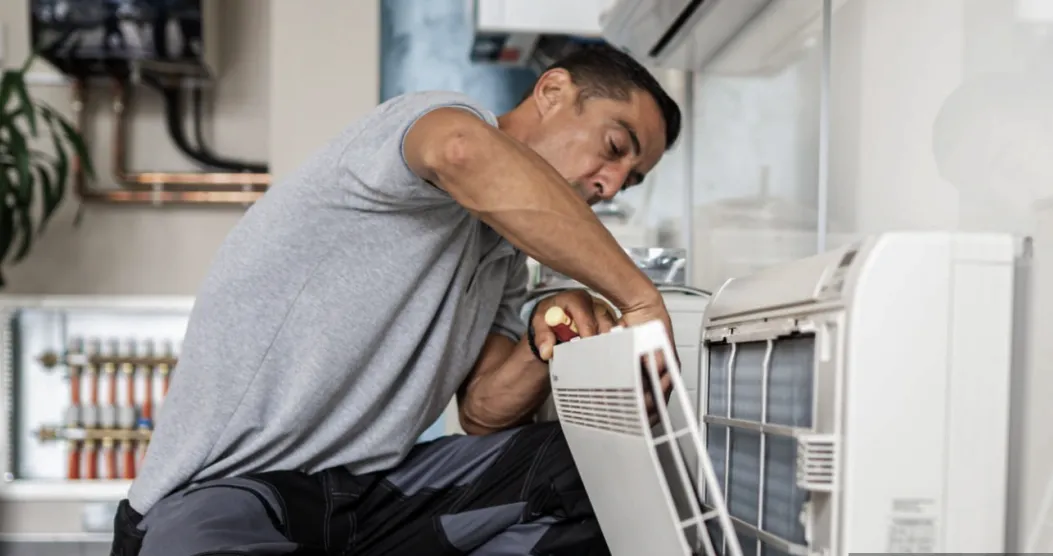



1. Understanding Different Environments
Before delving into specific heating systems, it"s crucial to grasp the unique characteristics and demands of different environments. Heating needs can vary greatly from one setting to another. Here"s a breakdown of the environments we"ll be discussing:
Residential Spaces: These include single-family homes, apartments, and condominiums.
Commercial Spaces: Offices, retail stores, and other small to medium-sized businesses.
Industrial Spaces: Large warehouses, factories, and manufacturing facilities.
Each of these settings comes with its own set of challenges and considerations when it comes to selecting the right heating system.
2. Heating Systems for Residential Spaces
a. Single-Family Homes
When it comes to heating single-family homes, the most common options include:
Forced-Air Heating: This system uses a furnace to heat air, which is then distributed through ducts and vents. It"s efficient and provides quick heating.
Radiant Heating: Radiant floor heating or wall-mounted panels provide a more even, consistent heat, making it ideal for those seeking comfort and energy efficiency.
Heat Pumps: Heat pumps are a great option for moderate climates, offering both heating and cooling capabilities. They are energy-efficient and environmentally friendly.
b. Apartments and Condos
For multi-unit residential buildings like apartments and condos, heating choices may be limited by building infrastructure. Common options include:
Baseboard Heaters: These are cost-effective and easy to install, making them a popular choice for individual units.
Central Boiler Systems: In larger apartment buildings, a central boiler system may be employed to provide heat to all units. This centralized approach can be efficient and cost-effective.
3. Commercial and Industrial Heating Solutions
a. Offices
Offices require a heating system that maintains a comfortable working environment while being energy-efficient. Options include:
HVAC Systems: Heating, ventilation, and air conditioning systems are common in offices. They provide both heating and cooling, ensuring year-round comfort.
Ductless Mini-Split Systems: These systems offer flexibility and zoning, allowing different temperature settings in different areas of the office, which can be energy-saving.
b. Warehouses
Warehouses have unique heating needs due to their large, open spaces. Solutions include:
Unit Heaters: Suspended unit heaters are efficient at providing localized heat, making them ideal for warehouses with varying heating requirements.
Radiant Tube Heaters: These heaters are mounted on the ceiling and emit radiant heat downwards, ensuring an even distribution of warmth.
c. Retail Stores
Retail stores require a heating system that keeps customers comfortable without interfering with product displays. Options include:
Ducted Systems: Concealed ducted systems distribute heat evenly without taking up valuable floor or wall space.
Infrared Heaters: Infrared heaters warm people and objects directly, making them a discreet and effective choice for retail spaces.
4. Environmental Considerations
Environmental factors play a significant role in heating system selection. Consider factors such as climate, humidity, and altitude when making your choice. For example, in extremely cold climates, a robust heating system with excellent insulation is crucial to prevent energy wastage.
5. Energy Efficiency and Sustainability
In an era where sustainability is paramount, it"s essential to choose heating systems that are energy-efficient and eco-friendly. Look for systems with high AFUE (Annual Fuel Utilization Efficiency) ratings and those that use renewable energy sources like geothermal or solar power.
6. Cost Analysis
While upfront costs are important, it"s essential to consider long-term expenses as well. Calculate the total cost of ownership, including installation, maintenance, and energy bills, over the expected lifespan of the heating system. Sometimes, investing more upfront in a highly efficient system can lead to significant savings down the line.
7. Maintenance and Longevity
Regular maintenance is key to ensuring your heating system operates efficiently and has a long lifespan. Consider the availability of service technicians and replacement parts for the chosen system. Some systems, like heat pumps, tend to have lower maintenance requirements compared to others.
8. Conclusion: Your Perfect Heating System
In conclusion, selecting the right heating system for different environments involves a careful evaluation of your unique needs and priorities. Factors like the type of space, climate, energy efficiency, and maintenance requirements all play a crucial role in making the best choice.

Your home is not just a place to live; it"s an expression of your personality and style. One of the most exciting aspects of homeownership is choosing the architectural style that best reflects your t...

Selecting the right architect is a pivotal step in ensuring the success of your construction project, whether it"s a commercial venture or a home improvement project. Architects play a crucial role in...

Architectural design is a complex and creative process that transforms ideas and concepts into tangible structures that shape our built environment. Whether it"s a stunning skyscraper, a sustainable h...

Embarking on an architectural project, whether it"s designing your dream home, renovating a commercial space, or constructing a public building, demands meticulous financial planning. Budgeting is a c...

In an era where environmental concerns are at the forefront of our global consciousness, the concept of sustainable architecture has gained significant traction. Sustainable architecture, often referr...
Embarking on a home improvement project can be an exciting but challenging endeavor. When it comes to significant changes, two primary options often come to mind: renovating your existing home or buil...
Sign up to start winning an unlimited amount of jobs near you.


 Electrician
Gas Engineer
Electrician
Gas Engineer


Send more enquiries and explore your options
Increasing the number of potentials leads for you!
Have more control and flexibility over your finances!