


## Understanding Groundwork:
Before delving into the different types of groundwork, let"s establish a foundational understanding of what groundwork encompasses:
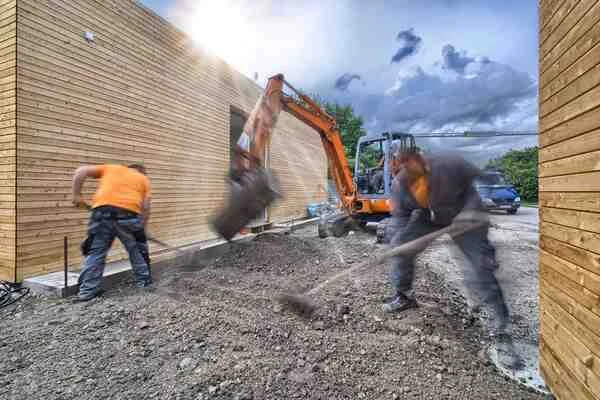
1. Excavation: Excavation is the process of removing earth, rocks, and debris to prepare the site for construction. It involves digging trenches, holes, or basements, depending on the project"s requirements.
2. Foundation Work: Foundation work involves creating a stable base for your building or structure. It"s the critical phase where the foundation is laid or set, providing structural support for the entire project.
3. Site Preparation: Site preparation includes grading, drainage, and landscaping. It ensures that the site is well-prepared to accommodate your project while addressing issues like drainage and slope management.
Now, let"s explore the different types of groundwork suitable for various property needs:
## 1. Shallow Foundations:
- Suitable for: Shallow foundations are ideal for properties with stable, load-bearing soil close to the surface. They are commonly used in residential construction.
- Types: Shallow foundations include slab-on-grade, strip foundations, and mat foundations. Slab-on-grade is a popular choice for single-story homes, while strip foundations are used for load-bearing walls.
## 2. Deep Foundations:
- Suitable for: Deep foundations are used when the soil near the surface is unsuitable for supporting the structure"s weight. This is common in urban areas with a high water table or soft soil.
- Types: Pile foundations and drilled shafts are examples of deep foundations. Piles are driven into the ground, while drilled shafts are excavated and filled with concrete.
## 3. Retaining Walls:
- Suitable for: Properties with slopes or uneven terrain often require retaining walls to provide structural support and prevent soil erosion.
- Types: Gravity walls, cantilever walls, and anchored walls are common types of retaining walls. The choice depends on the specific needs of your property.
## 4. Landscaping and Drainage:
- Suitable for: If your property requires significant landscaping or faces drainage challenges, site preparation, and landscaping are essential groundwork components.
- Tasks: Grading, adding drainage systems, and landscaping can transform your property while addressing water runoff and soil erosion issues.
## 5. Utility Installation:
- Suitable for: If your project involves utility installations such as plumbing, electrical lines, or gas lines, utility groundwork is necessary.
- Considerations: Proper coordination with utility companies and adherence to safety standards are crucial during utility installation.
## 6. Reinforced Foundations:
- Suitable for: Projects with heavy structural loads or challenging soil conditions may require reinforced foundations for added stability.
- Reinforcements: Reinforcements can include steel rebar, concrete footings, or other materials that enhance the foundation"s strength.
## 7. Advanced Groundwork Techniques:
- Suitable for: For innovative and high-tech properties, advanced groundwork techniques like laser-guided excavation, geotechnical engineering, and Building Information Modeling (BIM) may be employed.
- Benefits: Advanced techniques offer precision, accuracy, and efficiency in groundwork processes.
## Choosing the Right Groundwork for Your Property:
The selection of the right groundwork for your property depends on several factors:
- Soil Conditions: Understand your property"s soil composition and stability. This information guides the choice between shallow and deep foundations.
- Property Type: Consider the type of property you"re developing. Residential properties typically require shallow foundations, while large commercial buildings may need deep foundations.
- Terrain: Properties with uneven terrain, slopes, or erosion-prone areas may require retaining walls or site preparation and landscaping.
- Budget: Your budget plays a crucial role in determining the type of groundwork you can undertake. Advanced techniques or specialized foundations may come at a higher cost.
- Regulations: Ensure that your chosen groundwork type aligns with local building codes and regulations. Certain soil conditions and environmental concerns may influence your choices.
Conclusion:
Selecting the right groundwork for your property is an essential decision that impacts the success and longevity of your construction project. Whether you"re building a home, commercial structure, or revamping your landscape, understanding the types of groundwork and their suitability for your property is the first step toward creating a solid foundation for your vision to become a reality. By considering soil conditions, property type, terrain, budget, and regulations, you can make informed decisions that set the stage for a successful construction endeavor.
Your home is not just a place to live; it"s an expression of your personality and style. One of the most exciting aspects of homeownership is choosing the architectural style that best reflects your t...

Selecting the right architect is a pivotal step in ensuring the success of your construction project, whether it"s a commercial venture or a home improvement project. Architects play a crucial role in...

Architectural design is a complex and creative process that transforms ideas and concepts into tangible structures that shape our built environment. Whether it"s a stunning skyscraper, a sustainable h...

Embarking on an architectural project, whether it"s designing your dream home, renovating a commercial space, or constructing a public building, demands meticulous financial planning. Budgeting is a c...

In an era where environmental concerns are at the forefront of our global consciousness, the concept of sustainable architecture has gained significant traction. Sustainable architecture, often referr...
Embarking on a home improvement project can be an exciting but challenging endeavor. When it comes to significant changes, two primary options often come to mind: renovating your existing home or buil...
Sign up to start winning an unlimited amount of jobs near you.


 Electrician
Gas Engineer
Electrician
Gas Engineer


Send more enquiries and explore your options
Increasing the number of potentials leads for you!
Have more control and flexibility over your finances!