


1. Assess Your Needs
The first step in choosing the right fence is to assess your specific needs. Are you primarily looking for privacy, security, or a combination of both? Understanding your goals will steer you in the right direction.
- Privacy: If your main concern is privacy, you"ll want a fence that obstructs the view from outside. Solid wood or vinyl fences are excellent options, as they provide an opaque barrier. You may also consider adding decorative elements like lattice or trellises for a more aesthetically pleasing look.
- Security: To enhance security, look for fences that are sturdy and difficult to climb. Metal fences, such as wrought iron or steel, are excellent choices for this purpose. Chain-link fences, when enhanced with barbed wire or privacy slats, can also be security-focused.
2. Local Regulations and Codes
Before selecting a fence, check your local building codes and regulations. These can dictate fence height, materials, and even style. Failing to comply with these rules can lead to costly fines or the need to remove and replace your fence. It"s crucial to balance your needs with local requirements.
3. Fence Materials
Choosing the right materials for your fence is pivotal in achieving both privacy and security. Here are some common options:
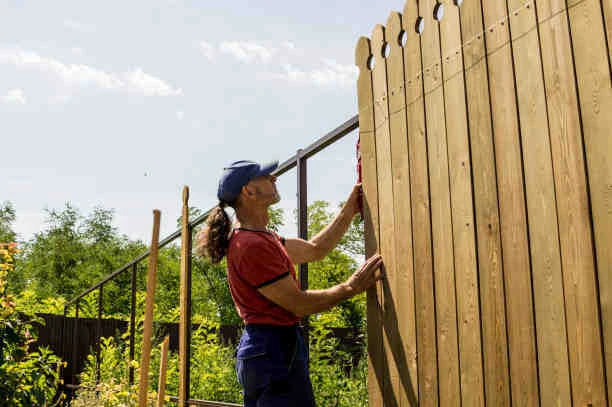
- Wood: Wooden fences are classic and provide excellent privacy. Cedar and redwood are popular choices due to their durability and resistance to decay. Regular maintenance, such as staining or sealing, is required to keep them in top condition.
- Vinyl: Vinyl fences offer low maintenance and privacy. They are resistant to rot, pests, and don"t require painting. They come in various styles and colors, making it easy to match your aesthetic preferences.
- Metal: Metal fences, like wrought iron or steel, are robust and excellent for security. They can be ornate or simple, depending on your style preferences. They may require occasional maintenance to prevent rust.
- Chain Link: While not the most private option, chain-link fences can be enhanced with privacy slats or screens. They offer visibility while providing security. They are budget-friendly and require minimal maintenance.
4. Fence Height
The height of your fence is crucial for both privacy and security. Taller fences provide more privacy and deter intruders, but you should be mindful of local regulations. If you"re unsure, consult with a professional to determine the appropriate height for your specific needs.
5. Gates and Locks
When considering security, don"t overlook the importance of gates and locks. Sturdy gates and high-quality locks are essential elements in the security of your property. Choose gates that match your fence style and ensure they are well-maintained.
6. Aesthetics
While privacy and security are paramount, you shouldn"t neglect the visual appeal of your fence. A well-designed fence can enhance the overall look of your property. Consider elements such as color, style, and decorative additions to complement your home"s architecture.
7. Professional Installation
Proper installation is as crucial as the fence itself. Hiring a professional ensures that your fence is correctly installed, complies with local regulations, and functions as intended. A poorly installed fence can compromise both your privacy and security.
Conclusion
Choosing the right fence for privacy and security is a significant decision that requires careful consideration. Assess your specific needs, adhere to local regulations, select suitable materials, determine the appropriate height, and pay attention to the aesthetics. With the right fence in place, you can enjoy both the peace of mind that comes with added security and the serenity of a private space to call your own.
Your home is not just a place to live; it"s an expression of your personality and style. One of the most exciting aspects of homeownership is choosing the architectural style that best reflects your t...

Selecting the right architect is a pivotal step in ensuring the success of your construction project, whether it"s a commercial venture or a home improvement project. Architects play a crucial role in...

Architectural design is a complex and creative process that transforms ideas and concepts into tangible structures that shape our built environment. Whether it"s a stunning skyscraper, a sustainable h...

Embarking on an architectural project, whether it"s designing your dream home, renovating a commercial space, or constructing a public building, demands meticulous financial planning. Budgeting is a c...
In an era where environmental concerns are at the forefront of our global consciousness, the concept of sustainable architecture has gained significant traction. Sustainable architecture, often referr...
Embarking on a home improvement project can be an exciting but challenging endeavor. When it comes to significant changes, two primary options often come to mind: renovating your existing home or buil...
Sign up to start winning an unlimited amount of jobs near you.


 Electrician
Gas Engineer
Electrician
Gas Engineer


Send more enquiries and explore your options
Increasing the number of potentials leads for you!
Have more control and flexibility over your finances!