


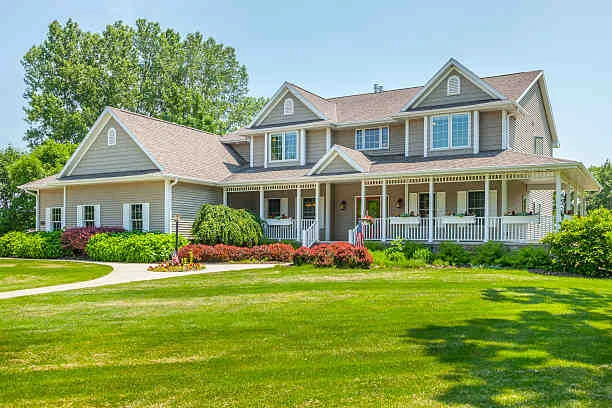
1. Define Your Objectives
The first step in selecting the right extension design is to define your objectives. Ask yourself what you want to achieve with the extension. Are you looking to create more living space, add a new bedroom, expand your kitchen, or establish a home office? Understanding your goals will help you shape the direction of your project.
2. Consider Your Property"s Style
The architectural style of your existing property should play a pivotal role in guiding your extension design. A harmonious design that complements the original structure will not only enhance the visual appeal of your home but also improve its resale value. For instance, if you have a traditional-style house, an ultra-modern extension might clash with the existing aesthetics.
3. Evaluate Space and Layout
Examine your property and determine where the extension can be accommodated. Consider the available space in your yard, the orientation of the sun, and how the extension will impact the layout of your home. A thoughtful design will optimize natural light, airflow, and overall functionality.
4. Seek Professional Expertise
Engage with professionals like architects and design experts who have experience in home extensions. These experts can provide valuable insights into creating a design that maximizes your available space and aligns with your objectives. They can also ensure that your extension meets local building codes and regulations.
5. Explore Different Extension Types
There are various extension types to consider, such as:
- Rear Extensions: Extending your home towards the rear of your property is a popular choice, allowing you to create open-plan living spaces and expand your kitchen or living room.
- Side Extensions: Ideal for properties with available space along the side, these extensions can provide additional bedrooms, home offices, or utility rooms.
- Loft Conversions: Transforming your attic into a functional living space is a cost-effective option, perfect for creating an extra bedroom or a home office.
- Basement Conversions: If you have a basement, converting it into living space can be a great way to add square footage to your home.
Each type has its advantages and limitations, so consider which one best aligns with your property"s layout and your objectives.
6. Balance Form and Function
A well-designed extension should balance both form and function. While aesthetics are important, the practicality of the space is equally vital. Ensure that the design caters to your specific needs, offering the space and layout that enhances your daily life.
7. Budget Considerations
The complexity and size of your chosen extension design will greatly impact your budget. Work with your architect or design expert to create a design that fits within your financial constraints. Remember to account for construction costs, permits, and any contingency funds for unexpected expenses.
8. Personal Preferences
Your extension should reflect your personal taste and style. Collaborate closely with your design professionals to select materials, colors, and finishes that resonate with your aesthetic preferences while ensuring they complement the existing structure.
Conclusion
Choosing the right extension design for your property is a crucial decision that will influence the functionality, visual appeal, and value of your home. By defining your objectives, considering your property"s style, seeking expert guidance, exploring various extension types, and balancing form and function, you can embark on a successful extension project that perfectly suits your needs and preferences. With careful planning and thoughtful design, your extension will enhance your property and your quality of life for years to come.
Your home is not just a place to live; it"s an expression of your personality and style. One of the most exciting aspects of homeownership is choosing the architectural style that best reflects your t...

Selecting the right architect is a pivotal step in ensuring the success of your construction project, whether it"s a commercial venture or a home improvement project. Architects play a crucial role in...

Architectural design is a complex and creative process that transforms ideas and concepts into tangible structures that shape our built environment. Whether it"s a stunning skyscraper, a sustainable h...

Embarking on an architectural project, whether it"s designing your dream home, renovating a commercial space, or constructing a public building, demands meticulous financial planning. Budgeting is a c...
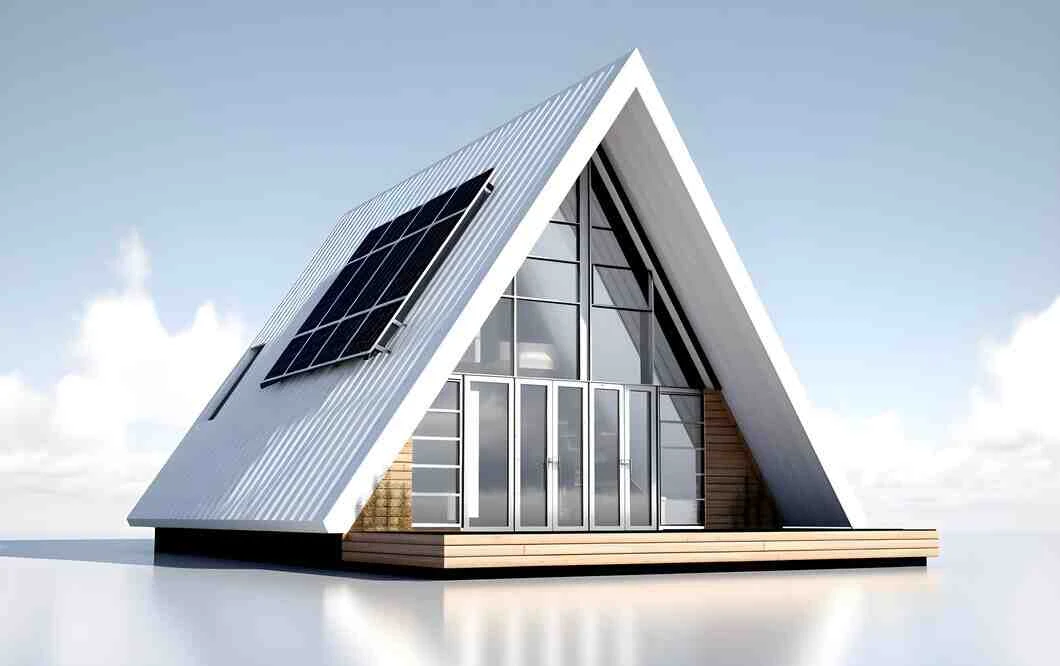
In an era where environmental concerns are at the forefront of our global consciousness, the concept of sustainable architecture has gained significant traction. Sustainable architecture, often referr...
Embarking on a home improvement project can be an exciting but challenging endeavor. When it comes to significant changes, two primary options often come to mind: renovating your existing home or buil...
Sign up to start winning an unlimited amount of jobs near you.


 Electrician
Gas Engineer
Electrician
Gas Engineer


Send more enquiries and explore your options
Increasing the number of potentials leads for you!
Have more control and flexibility over your finances!