


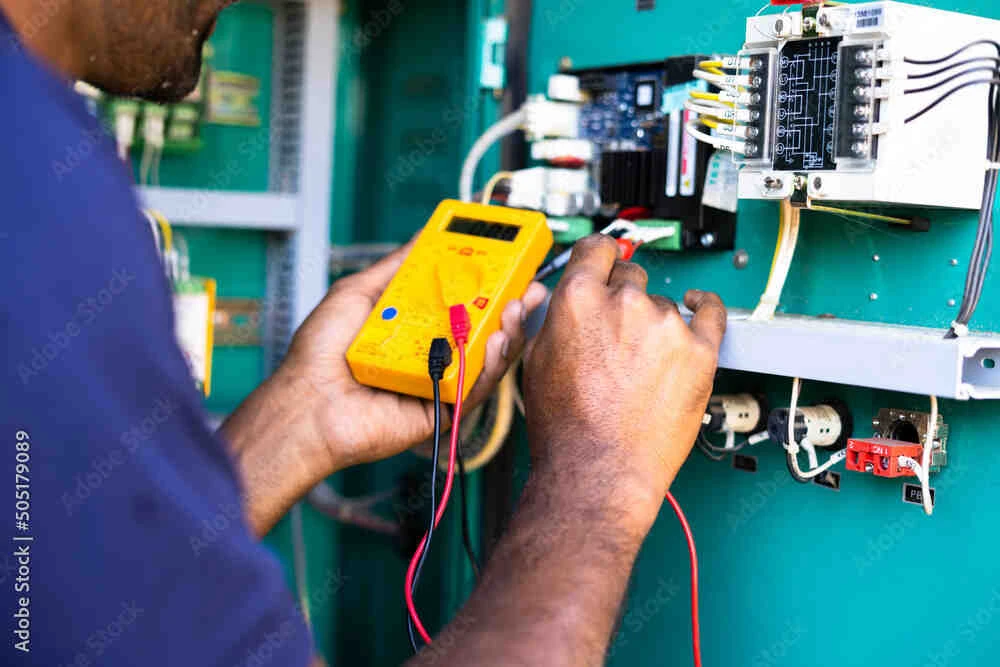
1. Assess Your Electrical Needs
The first step in choosing the right electrical solutions for your business is to conduct a thorough assessment of your electrical needs. This involves evaluating your current electrical system and understanding your future requirements. Consider factors such as the number of electrical outlets, lighting, HVAC systems, machinery, and the need for surge protection and backup power. This assessment will help you identify potential issues and areas for improvement.
2. Energy Efficiency
In today"s eco-conscious world, energy efficiency is not just a trend; it"s a necessity. Energy-efficient electrical solutions can significantly reduce your operating costs and environmental impact. Consider LED lighting, energy-efficient HVAC systems, and programmable thermostats to cut down on electricity consumption. You might also want to explore the possibilities of solar panels, which can help your business generate its own clean energy and reduce energy bills.
3. Safety First
Safety should be your top priority when selecting electrical solutions for your business. Faulty wiring or outdated electrical systems can pose serious safety risks. Ensure that your chosen solutions meet or exceed industry safety standards. Hiring a qualified electrician to inspect and upgrade your electrical system as needed is a wise investment in your business"s safety.
4. Scalability
Your business is likely to grow and evolve over time. When selecting electrical solutions, think about how easily they can be scaled to accommodate your future needs. Choose systems and components that can be expanded without the need for major overhauls. This can save you both time and money in the long run.
5. Backup Power Solutions
Power outages can be disastrous for businesses, leading to loss of data, production downtime, and potentially damaging equipment. Consider installing backup power solutions such as uninterruptible power supplies (UPS) and generators. These can provide temporary power during outages and prevent disruptions to your business operations.
6. Technology Integration
Modern businesses rely on various technologies, from computers and servers to IoT devices and automation systems. Ensure that your electrical solutions are compatible with the technology you use or plan to adopt. This might include installing structured cabling, Ethernet wiring, or smart building systems to optimize your operations.
7. Maintenance and Support
Electrical systems require regular maintenance to ensure they operate at their best. Find an experienced and reputable electrical contractor or service provider who can offer maintenance and support for your electrical solutions. Regular inspections and preventive maintenance can help avoid costly breakdowns and keep your systems running smoothly.
8. Budget and ROI
Budget constraints are always a consideration for businesses. While it"s important to be cost-conscious, remember that investing in quality electrical solutions often pays off in the long run. Evaluate the return on investment (ROI) for each solution you consider, factoring in energy savings, increased productivity, and reduced maintenance costs.
Conclusion
Selecting the right electrical solutions for your business is a critical decision that can impact your operations, safety, and bottom line. By assessing your needs, prioritizing safety and efficiency, planning for scalability, considering backup power solutions, integrating technology, and budgeting wisely, you can make informed decisions that will benefit your business in the long term. Don"t hesitate to consult with electrical experts and professionals to ensure you"re making the right choices for your specific business needs.
Your home is not just a place to live; it"s an expression of your personality and style. One of the most exciting aspects of homeownership is choosing the architectural style that best reflects your t...

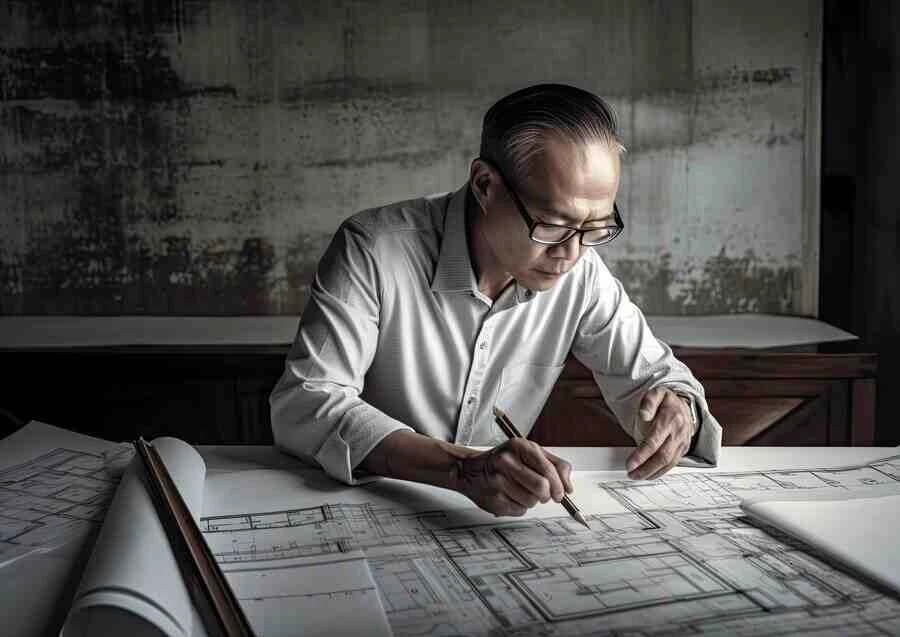
Selecting the right architect is a pivotal step in ensuring the success of your construction project, whether it"s a commercial venture or a home improvement project. Architects play a crucial role in...

Architectural design is a complex and creative process that transforms ideas and concepts into tangible structures that shape our built environment. Whether it"s a stunning skyscraper, a sustainable h...

Embarking on an architectural project, whether it"s designing your dream home, renovating a commercial space, or constructing a public building, demands meticulous financial planning. Budgeting is a c...
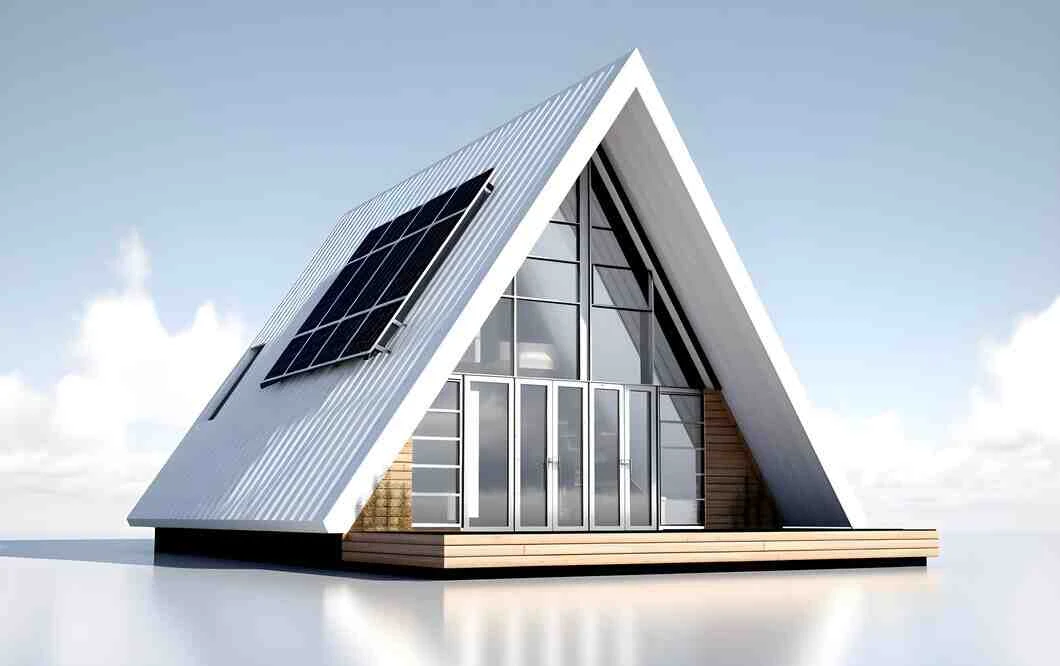
In an era where environmental concerns are at the forefront of our global consciousness, the concept of sustainable architecture has gained significant traction. Sustainable architecture, often referr...

Embarking on a home improvement project can be an exciting but challenging endeavor. When it comes to significant changes, two primary options often come to mind: renovating your existing home or buil...
Sign up to start winning an unlimited amount of jobs near you.


 Electrician
Gas Engineer
Electrician
Gas Engineer


Send more enquiries and explore your options
Increasing the number of potentials leads for you!
Have more control and flexibility over your finances!