



The Allure of Conservatories
Conservatories, sometimes called sunrooms or glass extensions, have been adorning homes for centuries. These delightful spaces bridge the gap between your interior and the natural world, allowing you to enjoy the beauty of all seasons without stepping outside. They create an idyllic retreat for relaxation, social gatherings, and even horticultural pursuits, making them a valuable asset to any home.
One of the standout features of conservatories is their architectural versatility. They come in various styles, each designed to harmonize with specific environments and architectural aesthetics. Here"s a look at some popular conservatory styles and the settings they"re best suited for:
1. Victorian Conservatory
The Victorian conservatory style is characterized by its elegant, ornate design. It typically features a steeply pitched roof, ornamental cresting, and large bay windows. The Victorian conservatory is perfect for traditional homes, particularly those with Victorian or Edwardian architecture. Its timeless design and classic aesthetic make it a seamless addition to heritage properties. The abundance of windows ensures an ample influx of natural light, making it an ideal choice for sun-soaked gardens.
Best Environment: Traditional or heritage homes, gardens with ample sunlight.
2. Edwardian Conservatory
Edwardian conservatories are known for their simplicity and symmetry. They feature a square or rectangular shape, a flat-fronted design, and a pitched roof. This style is excellent for both traditional and modern homes, as it seamlessly blends with various architectural themes. The straightforward design and abundant glazing make it a popular choice for those who want a versatile, light-filled space.
Best Environment: Traditional or modern homes, small gardens, urban environments.
3. Lean-To Conservatory
Also known as the Mediterranean or Sunroom style, the Lean-To conservatory is characterized by its minimalist, unobtrusive design. It features a single-sloped roof that leans against the main structure, making it an excellent choice for homes with limited space. Lean-To conservatories are versatile and can easily adapt to any architectural setting, making them a practical solution for urban homes with restricted garden space.
Best Environment: Urban environments, homes with limited garden space, modern or minimalist architectural styles.
4. P-Shaped Conservatory
The P-shaped conservatory combines elements of both Victorian and Edwardian styles. It creates a multi-functional space with distinct areas for different purposes. The curved or "P" shape offers flexibility for those who want a space that can accommodate dining, living, and horticultural activities. This style suits larger homes with spacious gardens and a variety of uses in mind.
Best Environment: Large homes, homes with expansive gardens, versatile living spaces.
5. Orangery
Orangeries are a hybrid of a conservatory and a traditional brick-built extension. They feature a solid perimeter with large windows and a glazed roof. Orangeries exude a sense of grandeur and sophistication, making them perfect for upscale homes and heritage properties. Their partially solid structure provides insulation and privacy while still allowing ample natural light.
Best Environment: Luxury homes, heritage properties, homeowners seeking a blend of traditional and modern design.
6. Bespoke Conservatory
If you have a unique vision for your conservatory, a bespoke design may be the best choice. Bespoke conservatories are custom-built to your exact specifications, allowing you to create a one-of-a-kind space tailored to your preferences and environment. These conservatories can take inspiration from any architectural style and adapt to any setting, offering the ultimate in personalization.
Best Environment: Any environment with a specific vision in mind, homes with distinct architectural aesthetics.
Considerations for Choosing the Right Conservatory
Selecting the right conservatory style involves more than just aesthetics. Here are some key considerations to keep in mind:
1. Climate and Location
Consider the climate in your area. If you live in a region with harsh winters or extreme temperatures, you"ll need a conservatory that offers good insulation. Conversely, if you"re in a temperate climate, you can focus on maximizing natural light and ventilation.
2. Available Space
Your garden or property"s available space plays a vital role in selecting the right style. Ensure that the chosen conservatory style fits comfortably within the confines of your garden without overwhelming the space.
3. Purpose
Think about how you plan to use your conservatory. Is it primarily for relaxation, dining, or horticulture? Different styles may be better suited to specific purposes, so choose one that aligns with your needs.
4. Architectural Harmony
Consider how the conservatory will blend with your home"s existing architecture. While contrast can be striking, ensuring the new addition complements the main structure is often a safe and visually pleasing choice.
5. Budget
Your budget will also play a significant role in your decision. Some conservatory styles may be more cost-effective than others due to their complexity and materials used.
Conclusion
Choosing the right conservatory style for your specific environment is an exciting and rewarding endeavor. It"s an opportunity to extend your living space, connect with nature, and enhance the beauty and value of your home. By considering your climate, available space, intended purpose, architectural harmony, and budget, you can make an informed decision that ensures your conservatory becomes a harmonious and functional part of your living space.
So, whether you"re leaning towards the timeless elegance of a Victorian conservatory or the modern simplicity of an Edwardian design, your choice should reflect your unique environment, personal style, and the dreams you have for this charming addition to your home. A well-chosen conservatory style will not only enhance your living space but also create a haven where you can immerse yourself in the beauty of the outdoors, no matter where you call home.

Your home is not just a place to live; it"s an expression of your personality and style. One of the most exciting aspects of homeownership is choosing the architectural style that best reflects your t...

Selecting the right architect is a pivotal step in ensuring the success of your construction project, whether it"s a commercial venture or a home improvement project. Architects play a crucial role in...

Architectural design is a complex and creative process that transforms ideas and concepts into tangible structures that shape our built environment. Whether it"s a stunning skyscraper, a sustainable h...

Embarking on an architectural project, whether it"s designing your dream home, renovating a commercial space, or constructing a public building, demands meticulous financial planning. Budgeting is a c...
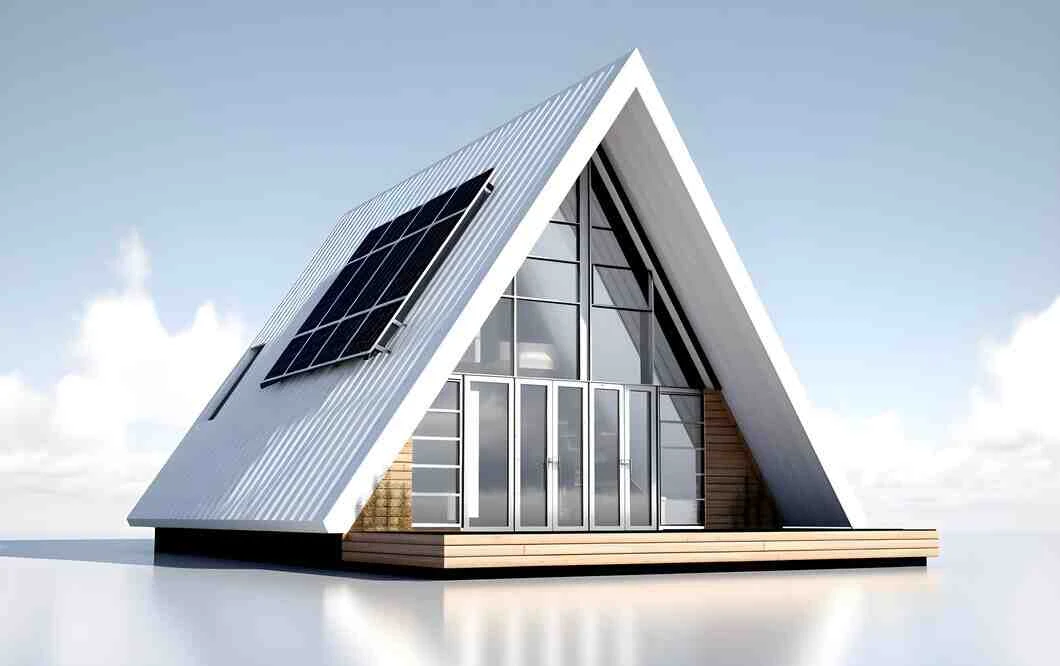
In an era where environmental concerns are at the forefront of our global consciousness, the concept of sustainable architecture has gained significant traction. Sustainable architecture, often referr...
Embarking on a home improvement project can be an exciting but challenging endeavor. When it comes to significant changes, two primary options often come to mind: renovating your existing home or buil...
Sign up to start winning an unlimited amount of jobs near you.


 Electrician
Gas Engineer
Electrician
Gas Engineer


Send more enquiries and explore your options
Increasing the number of potentials leads for you!
Have more control and flexibility over your finances!