


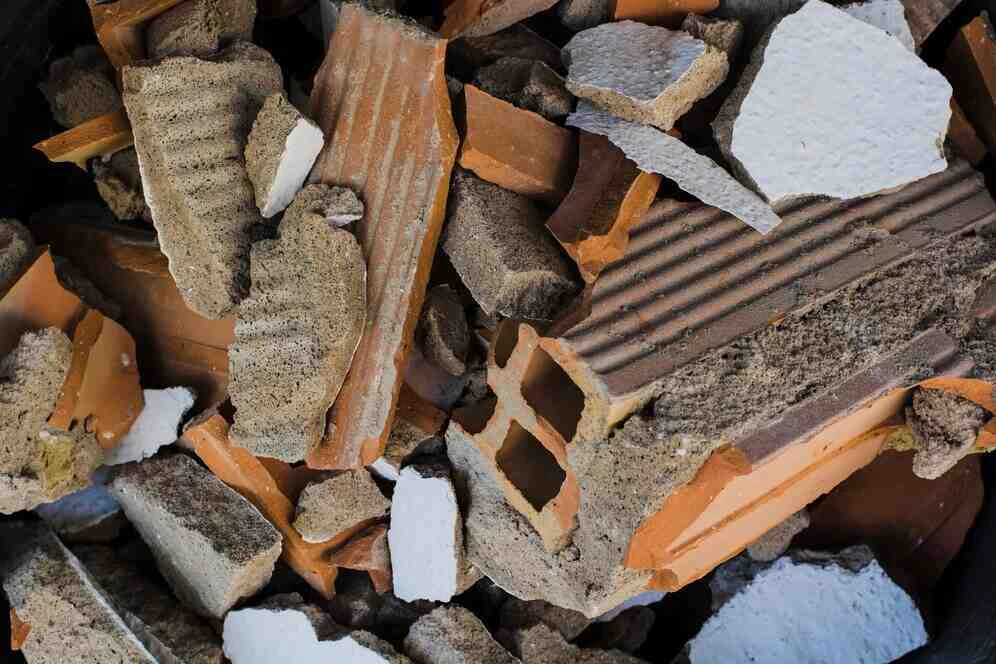
The Importance of Proper Waste Disposal in Brick Projects
Environmental Preservation: Inadequate waste disposal can result in soil and water pollution, harm to local ecosystems, and depletion of natural resources. Responsible waste management helps preserve the environment for future generations.
Compliance with Regulations: Environmental regulations mandate the proper disposal of construction waste, including bricks. Failure to comply with these regulations can result in fines and legal consequences for construction projects.
Safety and Aesthetics: Poor waste management can lead to accidents on the construction site and create an eyesore in the surrounding area. Keeping the site clean and organized enhances safety and maintains a positive image for the project.
Effective Waste Disposal Strategies in Brick Projects
Waste Reduction at the Source: Minimize waste generation from the outset by ordering only the necessary quantity of bricks and carefully planning cuts to reduce material wastage.
Segregation: Set up designated areas for different types of waste, including bricks, mortar, and other construction materials. Segregation makes it easier to recycle and dispose of waste properly.
Reuse and Recycling: Explore opportunities to reuse bricks or recycle them into other construction materials, such as crushed brick aggregate or fill. Many brick materials can be salvaged and repurposed.
Hazardous Materials Handling: If your project involves bricks that contain hazardous materials, such as lead-based paint, asbestos, or chemicals, follow specialized disposal procedures and engage certified contractors for removal and disposal.
Local Recycling Facilities: Identify local recycling facilities that accept bricks and other construction waste. Ensure that these facilities follow environmentally responsible recycling practices.
Licensed Waste Haulers: When disposing of bricks and construction debris, work with licensed waste haulers who are knowledgeable about local regulations and can ensure proper disposal.
Documentation: Keep accurate records of waste disposal activities, including the type and quantity of waste, dates of disposal, and the name of the waste hauler or recycling facility. Documentation may be required for compliance purposes.
Education and Training: Ensure that all workers on the construction site are educated about waste disposal procedures and understand the importance of responsible waste management.
Legal Compliance: Familiarize yourself with local, state, and federal regulations governing construction waste disposal. Comply with all requirements, including obtaining necessary permits and approvals.
Community Engagement: Engage with the local community to discuss your waste management plan and address any concerns or questions they may have. Demonstrating your commitment to responsible waste disposal can foster goodwill.
Conclusion
Proper waste disposal in brick projects is a fundamental responsibility that benefits not only the construction industry but also the environment and the broader community. By reducing waste at the source, segregating materials, recycling, and following established procedures, brick projects can minimize their environmental impact and promote sustainability.
Responsible waste management is not just a legal obligation; it"s a commitment to ethical and sustainable construction practices. As the construction industry continues to evolve, embracing environmentally responsible waste disposal becomes increasingly crucial. By building responsibly, brick projects can contribute to a cleaner, healthier, and more sustainable future for all.

Architects play a pivotal role in designing buildings that are not only aesthetically pleasing but also safe and functional. One of the crucial aspects of architectural design is ensuring compliance w...

In the realm of architectural design, aesthetics, and functionality often take center stage. However, a paramount concern that should never be overlooked is safety. The safety of occupants and users i...

Explore the delicate balance between sustainability innovation and safety regulations in architectural design. Discover how architects create eco-friendly yet safe spaces.
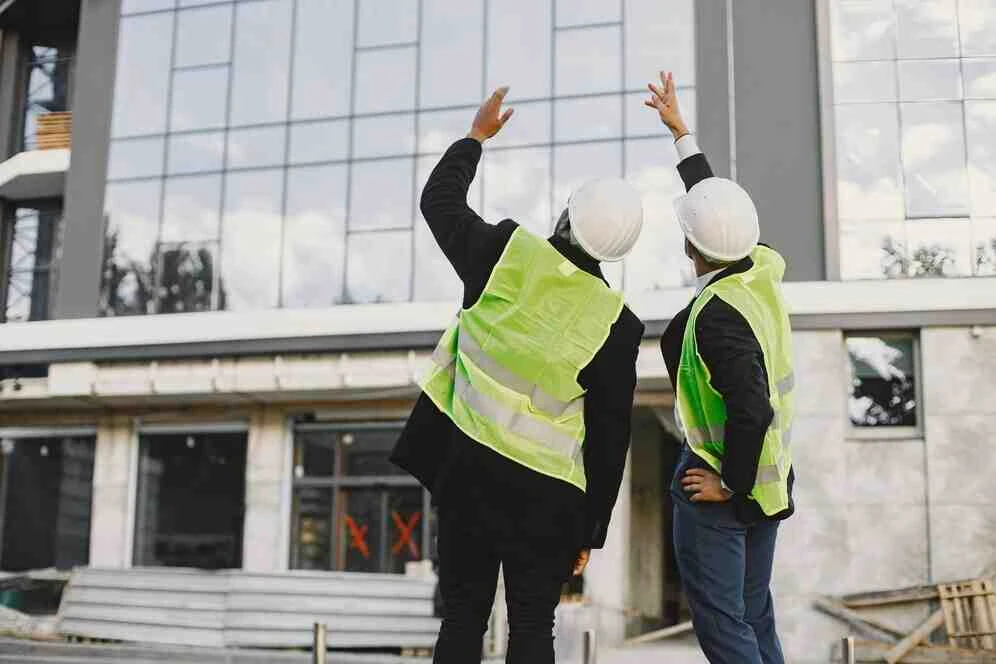
Discover the latest seismic safety innovations for architects in the UK. Stay informed to design resilient structures in low-seismic-risk regions.
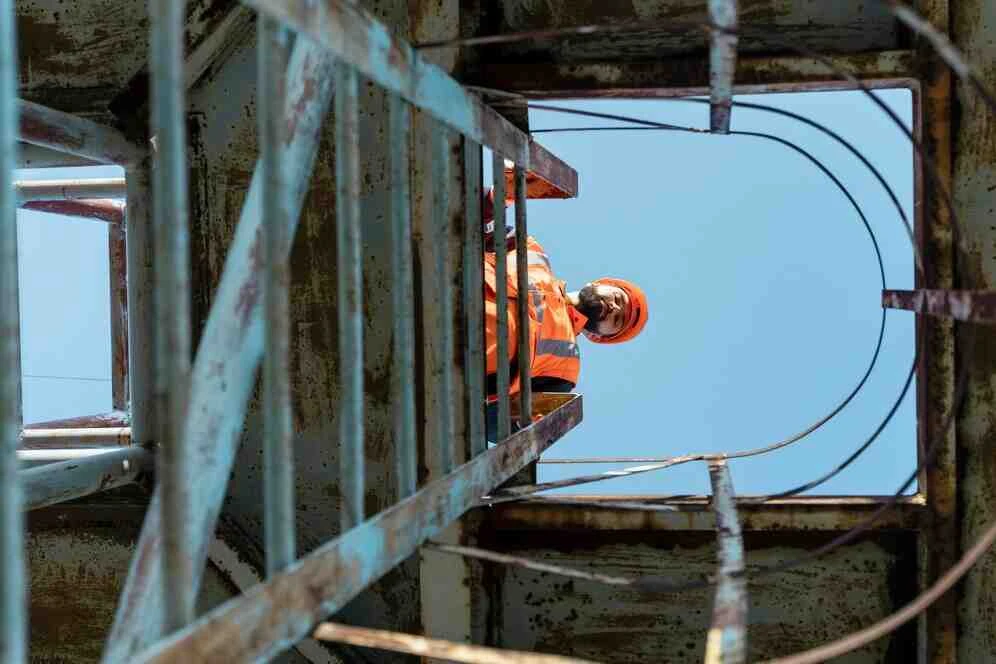
Explore fire safety in UK architecture. Learn about codes, fire-resistant materials, and design strategies to protect lives and property in architectural projects.

Discover the importance of designing inclusively in architecture. Learn how to meet the unique needs of disabled individuals and create accessible spaces for all.
Sign up to start winning an unlimited amount of jobs near you.


 Electrician
Gas Engineer
Electrician
Gas Engineer


Send more enquiries and explore your options
Increasing the number of potentials leads for you!
Have more control and flexibility over your finances!