

**1. Insufficient Planning**
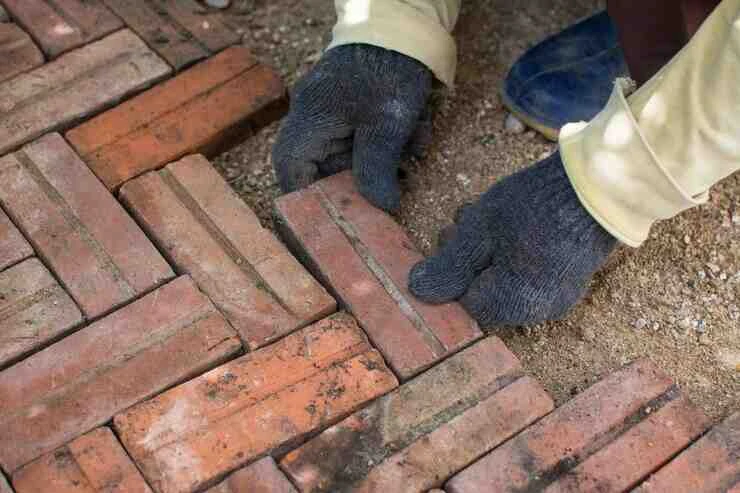
One of the most critical steps in any DIY paving project is thorough planning. Skipping this step or not paying enough attention to it can lead to various issues down the road. Some essential aspects to consider during the planning phase include:
- **Project layout and design:** Ensure you have a clear vision of your project"s layout and design, including dimensions, curves, and patterns.
- **Material selection:** Choose the appropriate paving materials that suit your project and climate conditions.
- **Preparation of the base:** Properly prepare the base by excavating and compacting the ground to ensure stability.
- **Drainage:** Plan for effective drainage to prevent water buildup and erosion under the paving.
**2. Neglecting Proper Foundation**
A stable and well-prepared foundation is essential for the longevity and stability of your DIY paving project. One common mistake is not giving enough attention to the base preparation. Ensure you:
- Excavate to the necessary depth to accommodate the base and the paving material.
- Compact the sub-base and base material to create a firm foundation.
- Use appropriate materials for the base, such as crushed stone or sand.
**3. Inadequate Edge Restraints**
Edge restraints, such as concrete or paver edging, are often overlooked by DIYers. These restraints help hold the pavers in place and prevent them from shifting over time. Skipping or inadequately installing edge restraints can lead to uneven surfaces and a higher risk of damage.
**4. Incorrect Sloping and Drainage**
Proper slope and drainage are crucial for preventing water buildup and erosion under the paving. Ensure your project is designed with a slight slope to guide water away from your home or structures. Additionally, provide adequate drainage solutions, such as installing drains or creating a gravel bed beneath the paving.
**5. Neglecting Compaction**
Proper compaction of the base material is essential for creating a stable foundation. Using a compactor is necessary to prevent settling and uneven surfaces. Neglecting compaction can lead to sagging or shifting pavers over time.
**6. Poor Joint Filling and Sealing**
Joints between pavers must be filled with sand or polymeric sand, and sometimes sealed to prevent weed growth and maintain the structural integrity of the surface. Failing to fill joints adequately or applying sealer improperly can lead to weed growth and destabilization.
**7. Ignoring Maintenance**
Many DIYers forget that maintenance is an ongoing part of paving projects. Neglecting maintenance can result in surface wear, staining, and damage. Regularly clean and seal your paved surfaces to keep them looking great and functioning correctly.
**8. Rushing the Project**
Rushing through your DIY paving project can result in poor workmanship. Take your time, follow the instructions, and ensure each step is completed correctly. Quality work often takes more time but results in a durable and attractive finished product.
**Conclusion**
DIY paving projects can be a satisfying and cost-effective way to improve your outdoor space. By avoiding these common mistakes and thoroughly planning, preparing, and executing your project, you can achieve professional-quality results that will last for years to come. Remember that attention to detail and patience are key to a successful DIY paving project.
Your home is not just a place to live; it"s an expression of your personality and style. One of the most exciting aspects of homeownership is choosing the architectural style that best reflects your t...

Selecting the right architect is a pivotal step in ensuring the success of your construction project, whether it"s a commercial venture or a home improvement project. Architects play a crucial role in...

Architectural design is a complex and creative process that transforms ideas and concepts into tangible structures that shape our built environment. Whether it"s a stunning skyscraper, a sustainable h...

Embarking on an architectural project, whether it"s designing your dream home, renovating a commercial space, or constructing a public building, demands meticulous financial planning. Budgeting is a c...
In an era where environmental concerns are at the forefront of our global consciousness, the concept of sustainable architecture has gained significant traction. Sustainable architecture, often referr...
Embarking on a home improvement project can be an exciting but challenging endeavor. When it comes to significant changes, two primary options often come to mind: renovating your existing home or buil...
Sign up to start winning an unlimited amount of jobs near you.


 Electrician
Gas Engineer
Electrician
Gas Engineer


Send more enquiries and explore your options
Increasing the number of potentials leads for you!
Have more control and flexibility over your finances!