


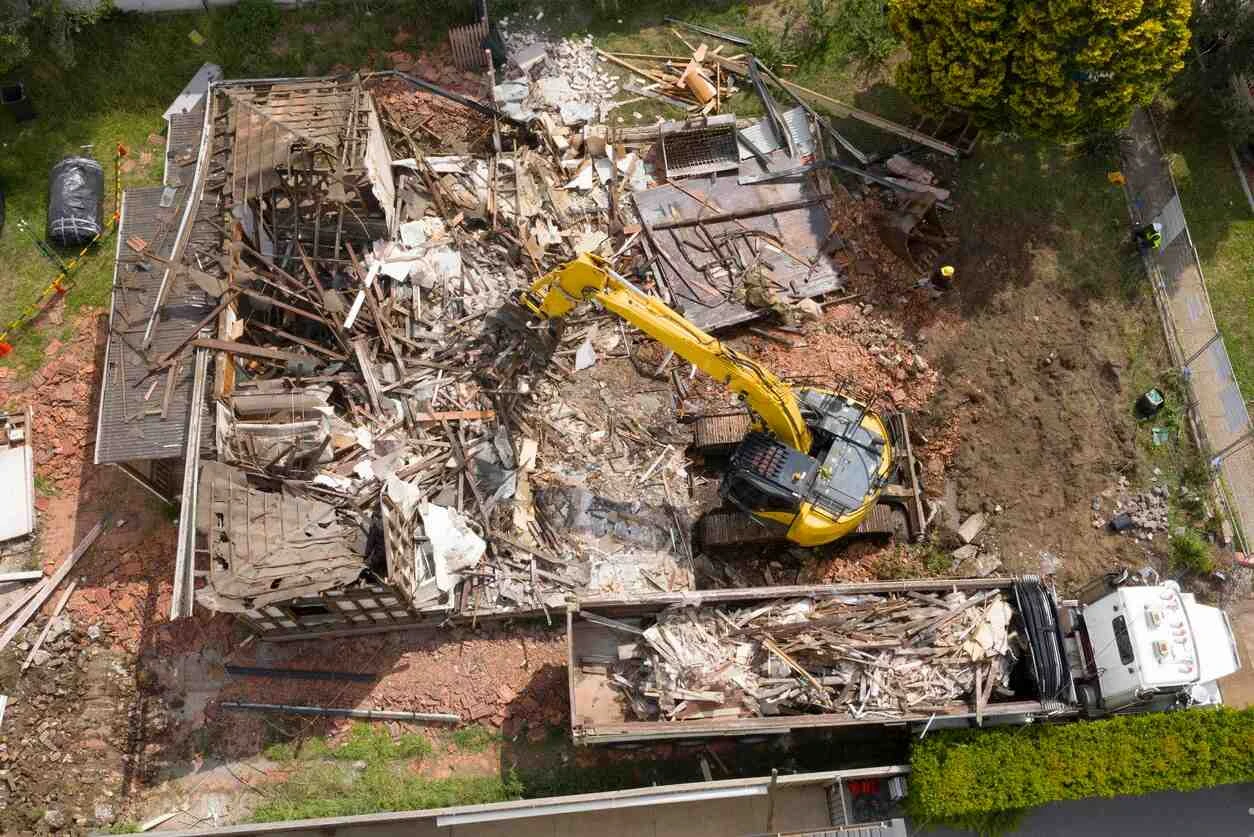
Insufficient Planning
One of the most common mistakes people make in DIY demolition is insufficient planning. It"s easy to underestimate the complexities of a demolition project, whether you"re taking down a wall, a whole room, or even an entire structure. Before you start swinging a sledgehammer, take the time to plan your project meticulously:
Understand your goals and objectives: Clearly define what you want to achieve with your demolition project.
Safety considerations: Identify potential hazards and have a safety plan in place.
Tools and materials: Gather the necessary tools, safety equipment, and materials required for the job.
Permits and regulations: Ensure you have the necessary permits and comply with local regulations.
Neglecting Safety Measures
Safety should be your top priority in any DIY demolition project. Ignoring safety precautions can lead to accidents, injuries, or even fatalities. Common safety mistakes include:
Inadequate personal protective equipment (PPE): Always wear PPE such as hard hats, safety goggles, ear protection, gloves, and sturdy work boots.
Failing to secure the work area: Clear the work area of people and pets and mark it off with caution tape.
Not turning off utilities: Ensure electricity, gas, and water are turned off before starting any demolition.
Improper tool usage: Use tools as intended, and be cautious with power tools like saws and drills.
Demolishing Load-Bearing Walls
Taking down a wall might seem like a straightforward task, but it can lead to disaster if you"re not aware of the wall"s structural significance. Many DIYers make the mistake of demolishing load-bearing walls without understanding the consequences. Always consult with a structural engineer or an expert to determine if a wall is load-bearing and how to safely proceed.
Lack of Asbestos and Lead Paint Awareness
If you"re working on an older structure, there"s a possibility it may contain asbestos or lead paint. Disturbing these materials without proper precautions can pose severe health risks. It"s crucial to:
Get a professional inspection: Identify and handle asbestos or lead paint with professional assistance.
Follow EPA guidelines: If you"re working on a structure built before 1978, be aware of EPA regulations regarding lead paint.
Overlooking Salvageable Materials
It"s easy to get carried away during a demolition and discard materials that could be reused or repurposed. Salvaging materials not only saves money but also reduces waste. Common items to consider salvaging include:
Wooden beams, planks, or doors
Bricks, stones, or tiles
Fixtures, cabinets, and hardware
Before you start demolishing, assess what can be saved, and carefully remove and store these items.
Ignoring Environmental Impact
Demolition projects can have a significant environmental impact, particularly if you"re not mindful of waste disposal. Avoid the mistake of haphazardly throwing debris into a landfill. Instead, consider:
Recycling materials: Sort and recycle as much as possible, like concrete, metal, and wood.
Proper disposal: Dispose of hazardous waste and debris in accordance with local regulations.
Reusing materials: Donate or sell materials that are in good condition.
Rushing the Process
Impatience can lead to costly mistakes in DIY demolition. Rushing through the project can result in:
Incomplete demolition: Failing to remove all debris and structures properly.
Damage to surrounding areas: Hasty work may cause damage to nearby structures.
Safety issues: Neglecting safety precautions in your hurry.
Take your time, follow a structured plan, and proceed cautiously.
Inadequate Documentation
Keeping a record of your demolition project is often overlooked but can be crucial for future reference. Document your project by:
Taking photographs and videos: Document the state of the area before, during, and after the demolition.
Keeping receipts and permits: Save records of expenses, permits, and any professional consultations.
Documentation can be valuable for insurance claims, resale, or future renovations.
Conclusion
DIY demolition can be a rewarding endeavor, but avoiding common mistakes is vital for a successful project. Proper planning, safety precautions, awareness of structural elements, and environmental responsibility are keys to success. Always consult professionals when in doubt, and remember that safety should be your top priority. By learning from these common mistakes and taking the necessary precautions, your DIY demolition project can be a safe and satisfying experience.
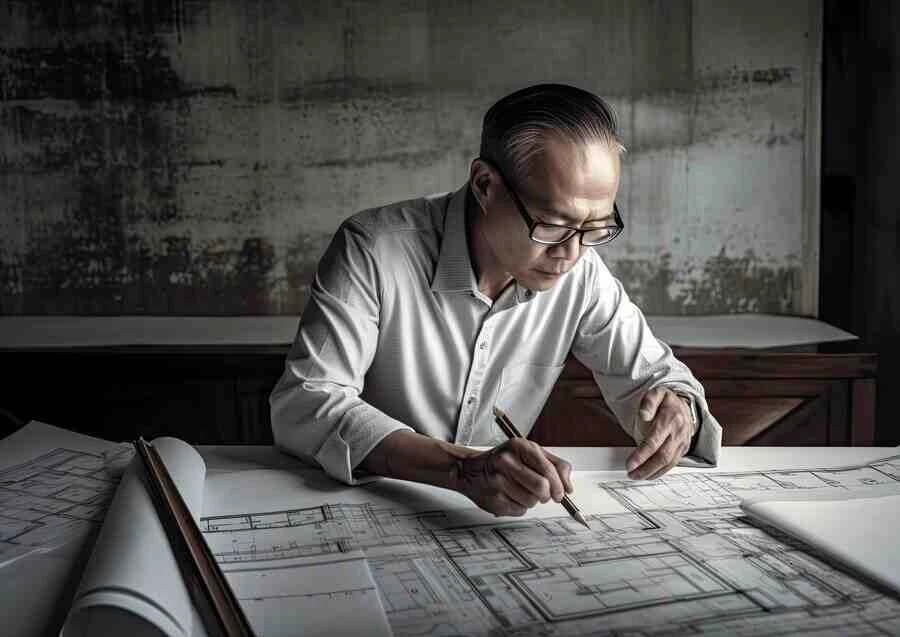
Your home is not just a place to live; it"s an expression of your personality and style. One of the most exciting aspects of homeownership is choosing the architectural style that best reflects your t...

Selecting the right architect is a pivotal step in ensuring the success of your construction project, whether it"s a commercial venture or a home improvement project. Architects play a crucial role in...

Architectural design is a complex and creative process that transforms ideas and concepts into tangible structures that shape our built environment. Whether it"s a stunning skyscraper, a sustainable h...

Embarking on an architectural project, whether it"s designing your dream home, renovating a commercial space, or constructing a public building, demands meticulous financial planning. Budgeting is a c...
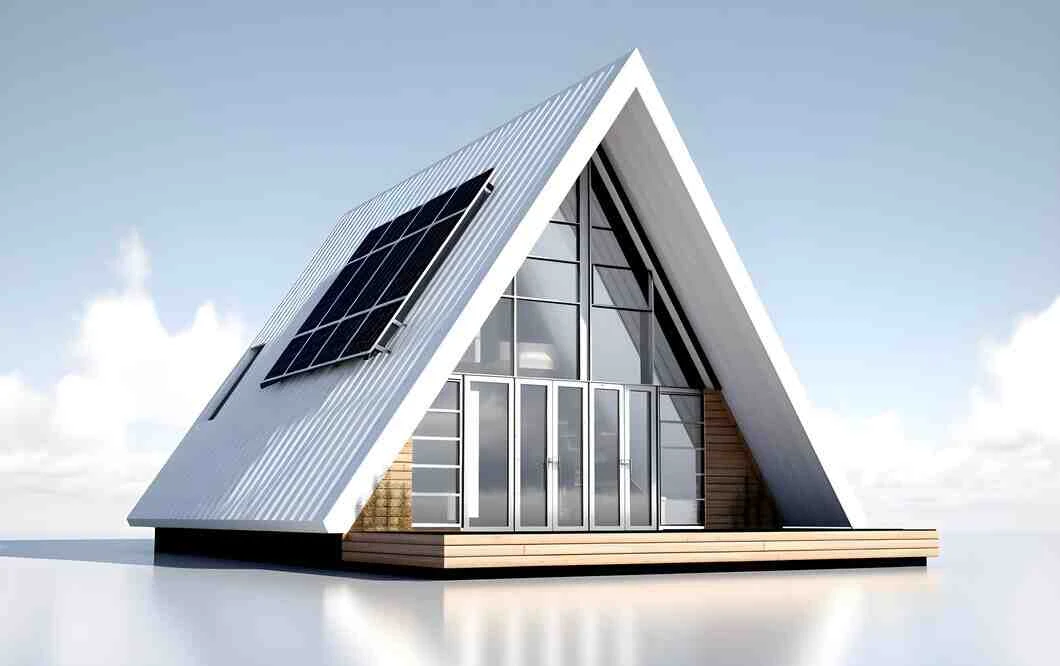
In an era where environmental concerns are at the forefront of our global consciousness, the concept of sustainable architecture has gained significant traction. Sustainable architecture, often referr...
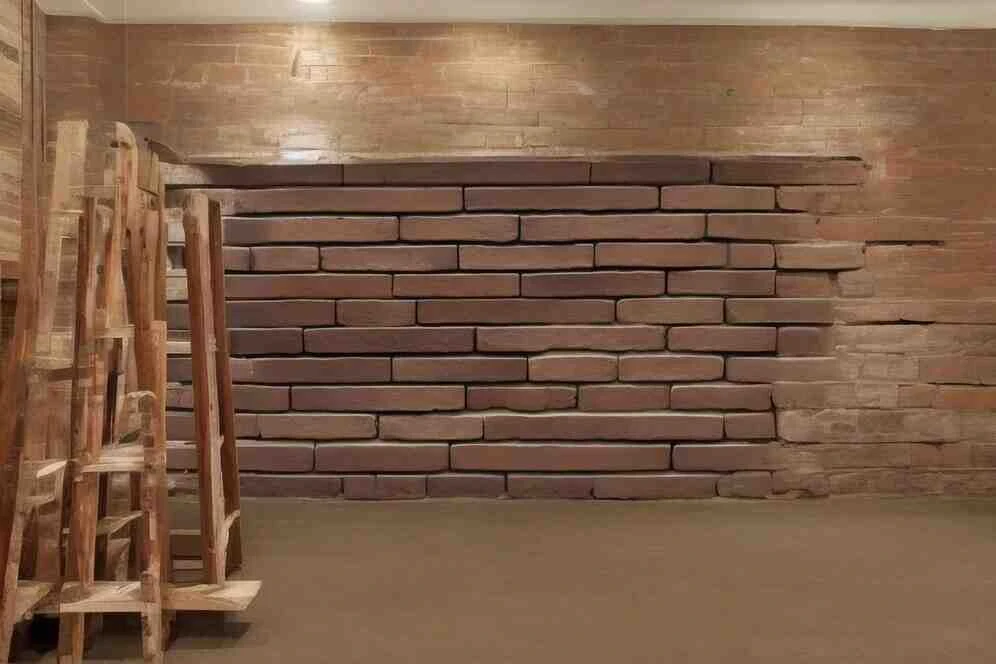
Embarking on a home improvement project can be an exciting but challenging endeavor. When it comes to significant changes, two primary options often come to mind: renovating your existing home or buil...
Sign up to start winning an unlimited amount of jobs near you.


 Electrician
Gas Engineer
Electrician
Gas Engineer


Send more enquiries and explore your options
Increasing the number of potentials leads for you!
Have more control and flexibility over your finances!