


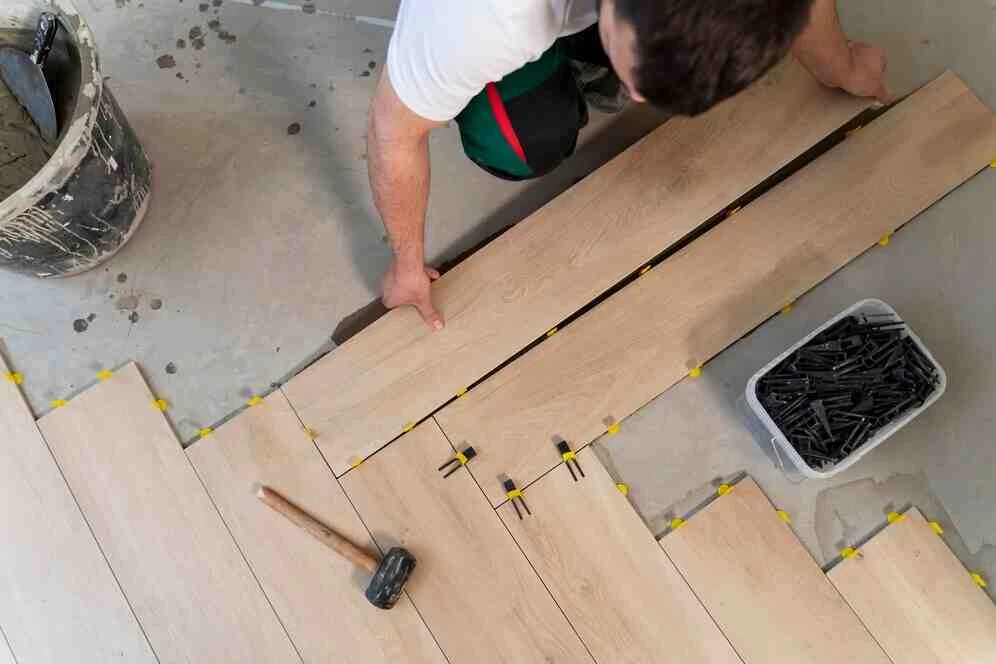
Chapter 1: Inadequate Planning
One of the most significant mistakes DIYers make when installing flooring is inadequate planning. Proper planning is the cornerstone of any successful project. Here"s how to avoid this common pitfall:
1.1. Measure Twice, Cut Once
Accurate measurements are crucial. Invest in a quality tape measure and double-check your measurements to avoid costly errors.
1.2. Budget Wisely
Set a realistic budget, including not just the cost of materials but also tools and any unforeseen expenses that may arise during the project.
1.3. Research Materials
Understand the characteristics and maintenance requirements of different flooring materials. Choose one that suits your lifestyle and the room"s purpose.
Chapter 2: Ignoring Subfloor Issues
The subfloor is the foundation for your flooring, and overlooking its condition can lead to problems down the line. Here"s what you should consider:
2.1. Moisture Levels
Check for moisture issues, especially in basements or bathrooms, and address them before installing any flooring material.
2.2. Subfloor Leveling
Ensure the subfloor is level and free from any bumps or depressions. Use self-leveling compounds if needed.
2.3. Subfloor Type
Different flooring types require specific subfloor materials and preparation. Research what your chosen flooring needs.
Chapter 3: Rushing Through Preparation
Proper preparation is the key to a smooth and long-lasting flooring installation. Avoid rushing through these crucial steps:
3.1. Removing Old Flooring
Don"t skip the process of removing old flooring materials, adhesive, or underlayment. A clean slate ensures better adhesion and longevity.
3.2. Underlayment Selection
Choose the right underlayment for your flooring type and the specific room conditions. It provides insulation and helps with moisture control and noise reduction.
Chapter 4: Poor Layout and Pattern Decisions
The layout and pattern of your flooring can significantly impact the visual appeal of the room. Avoid these design blunders:
4.1. Incorrect Direction
Consider the room"s shape and natural light when deciding the direction of your flooring planks. This can make the room appear larger or cozier.
4.2. Misaligned Patterns
Carefully align the patterns in the flooring material, such as wood grain or tile, to create a visually pleasing effect.
Chapter 5: Neglecting Acclimatization
Many flooring materials need time to acclimate to the room"s temperature and humidity levels. Neglecting this step can result in warping or buckling.
5.1. Read Manufacturer Instructions
Follow the manufacturer"s guidelines for acclimatizing your flooring material. It"s typically recommended to let it sit in the room for a specific period.
Chapter 6: Incorrect Installation Techniques
The actual installation process is where DIYers often make critical mistakes. Here"s how to avoid them:
6.1. Skipping Test Runs
Before committing to a full installation, do a test run with a few rows of flooring to ensure you understand the process and that everything fits as expected.
6.2. Inadequate Adhesive or Fasteners
Use the recommended adhesive or fasteners for your flooring material. Insufficient or improper application can lead to loose or uneven flooring.
Chapter 7: Neglecting Expansion Gaps
All flooring materials expand and contract with changes in temperature and humidity. Neglecting to leave expansion gaps can result in buckling and other problems.
7.1. Follow Manufacturer Recommendations
Check the manufacturer"s instructions for the recommended expansion gap size for your specific flooring material.
Chapter 8: Not Allowing for Trim and Transitions
Trim and transitions are essential for a finished look and to protect the edges of your flooring. Skipping them can result in an incomplete and unprofessional appearance.
8.1. Invest in Quality Trim
Choose quality baseboards, quarter-rounds, and transition strips that match your flooring for a polished finish.
Chapter 9: Insufficient Cleaning and Maintenance
Proper care and maintenance are crucial for preserving the beauty and longevity of your flooring. Neglecting this aspect can lead to premature wear and tear.
9.1. Establish a Cleaning Routine
Regularly clean your flooring using appropriate methods and products. Different materials require different care.
Conclusion
DIY flooring projects can be immensely satisfying and cost-effective when done correctly. By avoiding common flooring mistakes and following the tips and guidelines provided in this comprehensive guide, you"ll be well on your way to achieving a beautiful, long-lasting, and professionally installed floor in your home. Remember, patience, attention to detail, and careful planning are the keys to success in any DIY flooring project. Happy flooring!

Your home is not just a place to live; it"s an expression of your personality and style. One of the most exciting aspects of homeownership is choosing the architectural style that best reflects your t...

Selecting the right architect is a pivotal step in ensuring the success of your construction project, whether it"s a commercial venture or a home improvement project. Architects play a crucial role in...

Architectural design is a complex and creative process that transforms ideas and concepts into tangible structures that shape our built environment. Whether it"s a stunning skyscraper, a sustainable h...

Embarking on an architectural project, whether it"s designing your dream home, renovating a commercial space, or constructing a public building, demands meticulous financial planning. Budgeting is a c...

In an era where environmental concerns are at the forefront of our global consciousness, the concept of sustainable architecture has gained significant traction. Sustainable architecture, often referr...
Embarking on a home improvement project can be an exciting but challenging endeavor. When it comes to significant changes, two primary options often come to mind: renovating your existing home or buil...
Sign up to start winning an unlimited amount of jobs near you.


 Electrician
Gas Engineer
Electrician
Gas Engineer


Send more enquiries and explore your options
Increasing the number of potentials leads for you!
Have more control and flexibility over your finances!