1. Sustainable and Eco-Friendly Design
Sustainability is at the forefront of modern architecture, with a strong emphasis on eco-friendly materials and energy-efficient design.
1.1. Passive House Design: The Passive House standard focuses on creating ultra-energy-efficient buildings with superior insulation, airtightness, and ventilation. Expect to see more homes designed to meet or exceed this standard.
1.2. Recycled and Repurposed Materials: Architects are increasingly using recycled and repurposed materials to reduce waste and minimize the environmental impact of construction.
1.3. Green Roofs and Living Walls: Green roofs and living walls are becoming more popular, providing natural insulation, improving air quality, and adding a touch of greenery to urban spaces.
2. Minimalist and Functional Spaces
Minimalism continues to be a dominant trend in modern architecture, emphasizing clean lines, open spaces, and functional design.
2.1. Open Floor Plans: Open floor plans create a sense of spaciousness and connectivity between different areas of the home. They promote a minimalist aesthetic and enhance flexibility.
2.2. Multi-Functional Furniture: Versatile and space-saving furniture designs are gaining popularity, allowing homeowners to make the most of their living spaces.
2.3. Neutral Color Palettes: Neutral color schemes, featuring whites, grays, and muted tones, create a serene and timeless atmosphere in modern interiors.
3. Smart Home Integration
The integration of smart home technology is revolutionizing the way we interact with our living spaces.
3.1. Home Automation: Smart home systems that control lighting, climate, security, and entertainment are becoming standard features in modern homes.
3.2. Voice-Activated Assistants: Voice-activated assistants like Amazon Alexa and Google Assistant are increasingly integrated into home design, allowing for convenient control of various functions.
3.3. Energy Management: Smart thermostats and energy monitoring systems help homeowners optimize energy usage and reduce utility bills.
4. Biophilic Design
Biophilic design principles focus on connecting people with nature through architecture and interior design.
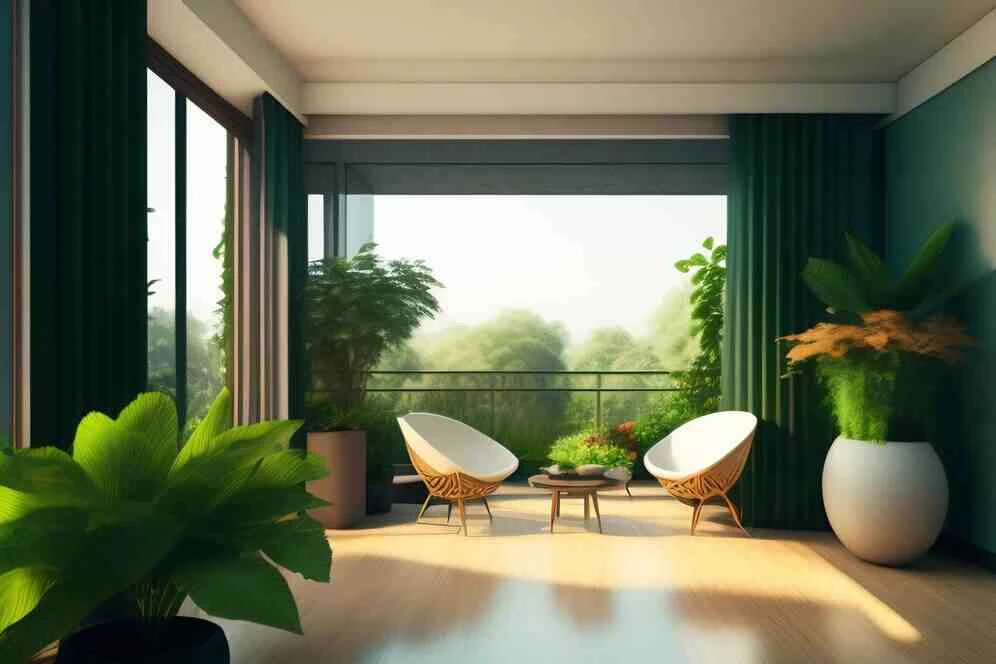
4.1. Abundant Natural Light: Designing spaces that maximize natural light and provide views of the outdoors is central to biophilic design.
4.2. Indoor Greenery: Incorporating indoor plants and living walls into interiors brings a sense of nature indoors and enhances air quality.
4.3. Natural Materials: The use of natural materials like wood, stone, and bamboo in interior finishes and furnishings helps create a sense of warmth and connection to nature.
5. Adaptive Reuse and Renovation
Preserving historic buildings and repurposing old structures for modern use is a growing architectural trend.
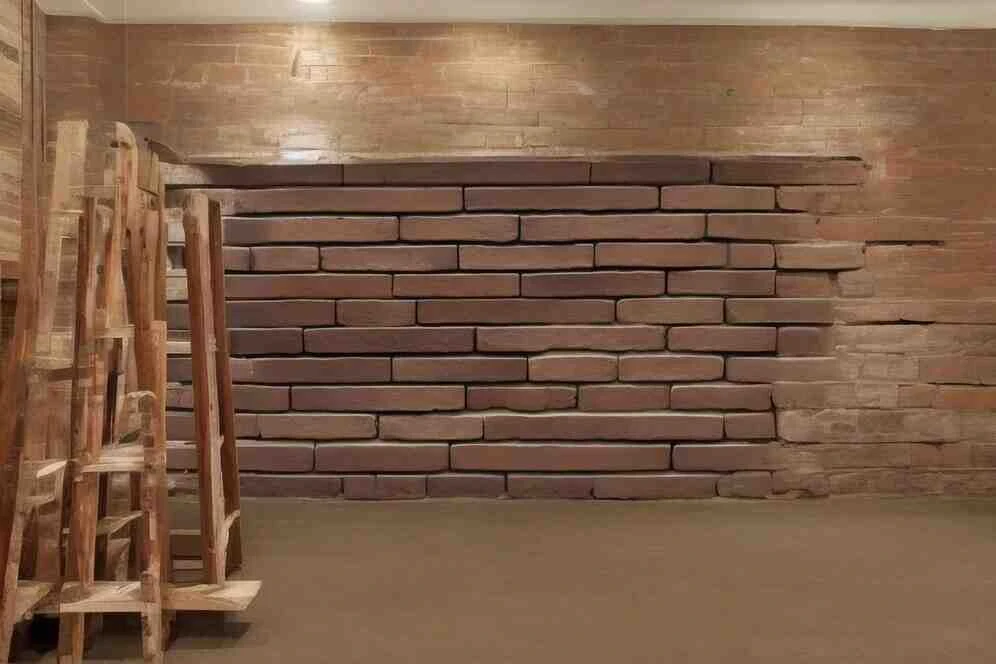
5.1. Adaptive Reuse: Old factories, warehouses, and industrial buildings are being transformed into stylish residential spaces, blending historic charm with contemporary living.
5.2. Heritage Conservation: Architects are increasingly focused on preserving the architectural heritage of older buildings while making them more energy-efficient and functional.
6. Energy Efficiency and Net-Zero Homes
With a growing awareness of climate change, architects are prioritizing energy-efficient and net-zero designs.
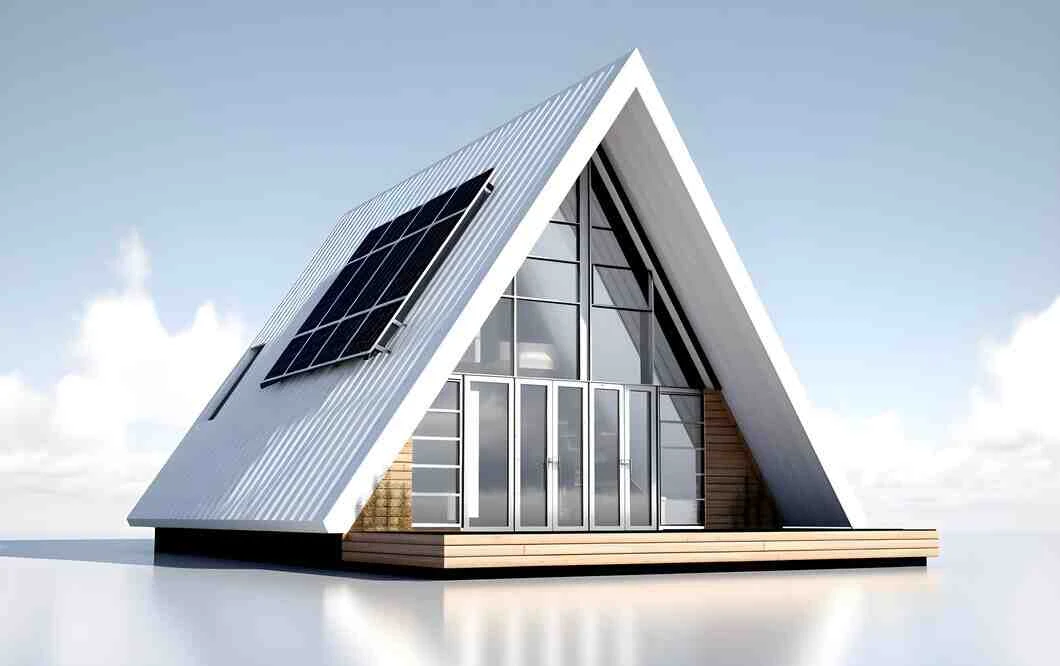
6.1. Net-Zero Homes: These homes produce as much energy as they consume, typically incorporating renewable energy sources like solar panels.
6.2. High-Performance Insulation: Advanced insulation materials and techniques are used to create thermally efficient building envelopes.
6.3. Passive Solar Design: Architects incorporate passive solar principles to optimize natural heating and cooling within the home.
7. Outdoor Living Spaces
Outdoor spaces have become an extension of indoor living, with a focus on creating functional and inviting outdoor environments.
7.1. Outdoor Kitchens: Fully equipped outdoor kitchens with grills, sinks, and seating areas are popular additions for modern homes.
7.2. Fire Features: Fire pits and fireplaces, both gas and wood-burning, are being integrated into outdoor living spaces to provide warmth and ambiance.
7.3. Sustainable Landscaping: Drought-tolerant plants, rain gardens, and permeable hardscapes are used to create sustainable and low-maintenance outdoor areas.
8. Modular and Prefabricated Construction
Modular and prefabricated construction methods are gaining traction for their efficiency and sustainability.
8.1. Prefab Homes: Prefabricated homes are built in sections off-site and assembled on location, reducing construction time and waste.
8.2. Modular Additions: Homeowners are using modular additions to expand their living spaces quickly and with minimal disruption.
Conclusion
Modernizing your living space with the latest architectural trends can enhance your home"s functionality, aesthetics, and sustainability. Whether you choose to embrace sustainable design, minimalism, smart home integration, biophilic principles, or any other trend mentioned, it"s essential to align your choices with your lifestyle, preferences, and budget. Keep in mind that architectural trends evolve over time, so selecting elements that stand the test of time while incorporating contemporary features will help you create a modern living space that you can enjoy for years to come.








 Electrician