


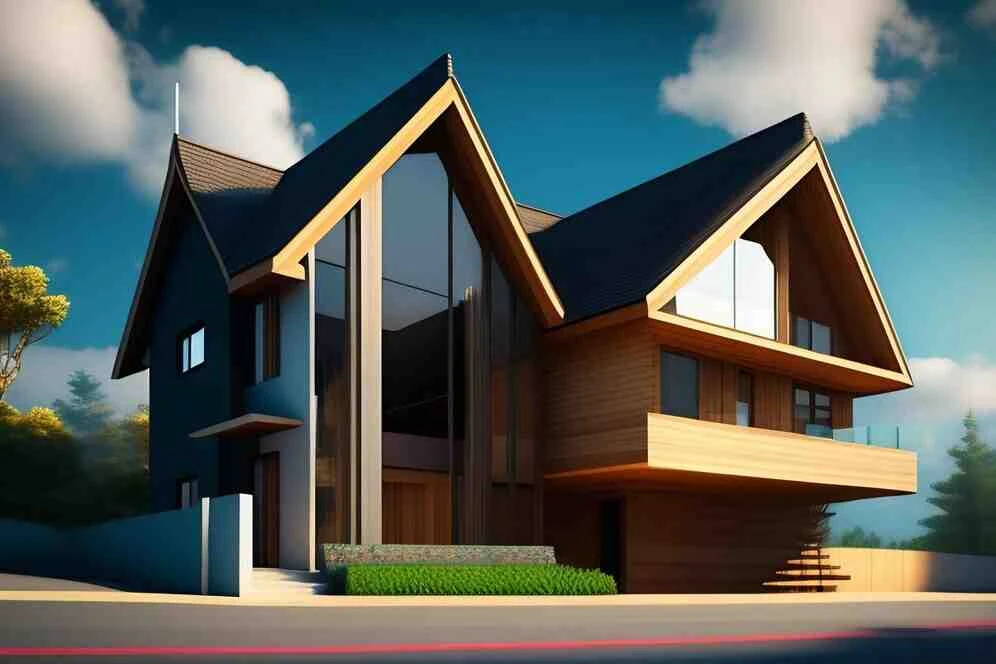
1. Wood: The Timeless Elegance
Wood has been a favored architectural material for centuries due to its versatility, warmth, and natural beauty. It remains a popular choice for both interior and exterior applications.
1.1. Interior Woodwork: Wood is frequently used for interior finishes, flooring, cabinetry, and furniture, adding a touch of warmth and sophistication to living spaces.
1.2. Exterior Siding: Wood siding offers a classic, rustic look. However, it requires regular maintenance to protect against moisture and pests.
1.3. Structural Applications: Timber framing and engineered wood products are used for structural support in homes. Engineered wood, such as laminated veneer lumber (LVL) and oriented strand board (OSB), provides strength and stability.
2. Brick: Enduring Elegance
Brick is a timeless building material renowned for its durability and aesthetic appeal. It offers various design possibilities for both traditional and contemporary homes.
2.1. Exterior Facades: Brick exteriors are known for their strength and low maintenance requirements. They provide a classic and enduring look.
2.2. Fire Resistance: Bricks are naturally fire-resistant, enhancing the safety of a home.
2.3. Thermal Mass: Bricks have excellent thermal mass properties, helping to regulate indoor temperatures and reduce energy consumption.
3. Concrete: Strength and Versatility
Concrete is a versatile architectural material used for a wide range of applications, from foundations to decorative elements.
3.1. Foundation Construction: Concrete"s strength and durability make it a common choice for home foundations and basement walls.
3.2. Decorative Features: Decorative concrete finishes, such as stamped concrete and polished concrete, are popular for interior floors and outdoor patios.
3.3. Energy Efficiency: Concrete walls and floors can contribute to energy efficiency by providing thermal mass and reducing temperature fluctuations.
4. Steel: Modern and Structural
Steel is a fundamental material in modern architecture, known for its strength and adaptability.
4.1. Structural Support: Steel framing is commonly used in residential construction for its strength-to-weight ratio, allowing for open floor plans and large windows.
4.2. Modern Aesthetics: Steel can be used in design elements such as exposed beams and industrial-style staircases for a contemporary look.
4.3. Corrosion Resistance: Properly coated steel is resistant to corrosion, ensuring its long-term durability.
5. Glass: Transparency and Light
Glass is a transformative architectural material that offers transparency, natural light, and connection to the outdoors.
5.1. Windows and Doors: Energy-efficient windows and glass doors optimize natural light while providing insulation and security.
5.2. Glass Walls: Large expanses of glass create a seamless connection between indoor and outdoor spaces, enhancing views and interior aesthetics.
5.3. Solar Gain: Low-emissivity (Low-E) glass coatings can control solar gain and improve energy efficiency.
6. Stone: Timeless Elegance and Durability
Natural stone is admired for its timeless beauty, durability, and resilience.
6.1. Exterior Cladding: Stone veneers and full-stone facades provide a high-end, classic look that lasts for generations.
6.2. Interior Surfaces: Natural stone is often used for countertops, fireplaces, and flooring, adding elegance and character to interior spaces.
6.3. Durability: Stone is highly resistant to wear and weather, making it suitable for outdoor applications like patios and walkways.
7. Sustainable Materials: Eco-Friendly Choices
Sustainability is a growing concern in architecture, leading to the use of eco-friendly materials in home design.
7.1. Recycled and Reclaimed Materials: Repurposed wood, reclaimed bricks, and recycled metal are sustainable choices that reduce waste and environmental impact.
7.2. Bamboo: Bamboo is a rapidly renewable resource used for flooring, cabinetry, and furniture due to its sustainability and durability.
7.3. Green Insulation: Natural insulation materials like wool, cellulose, and straw are energy-efficient and environmentally friendly.
8. Composites and Engineered Materials
Engineered materials offer innovative solutions for various architectural applications.
8.1. Fiber Cement: Fiber cement siding and trim are durable and low-maintenance alternatives to wood.
8.2. Composite Decking: Composite decking materials offer the look of wood with the durability of plastic, making them ideal for outdoor spaces.
8.3. Fiberglass Doors: Fiberglass doors provide the look of wood with superior durability, insulation, and low maintenance.
Conclusion
Architectural materials are the building blocks that define the aesthetics, functionality, and durability of your home. The choice of materials should align with your design goals, budget, and sustainability aspirations. Collaborating with architects, designers, and contractors who have expertise in material selection is essential to achieving a harmonious and resilient home. Whether you prefer the warmth of wood, the durability of brick, the modernity of steel, or the transparency of glass, understanding the influence of architectural materials on home design and durability empowers you to create a living space that reflects your vision and stands the test of time.
Your home is not just a place to live; it"s an expression of your personality and style. One of the most exciting aspects of homeownership is choosing the architectural style that best reflects your t...

Selecting the right architect is a pivotal step in ensuring the success of your construction project, whether it"s a commercial venture or a home improvement project. Architects play a crucial role in...

Architectural design is a complex and creative process that transforms ideas and concepts into tangible structures that shape our built environment. Whether it"s a stunning skyscraper, a sustainable h...

Embarking on an architectural project, whether it"s designing your dream home, renovating a commercial space, or constructing a public building, demands meticulous financial planning. Budgeting is a c...
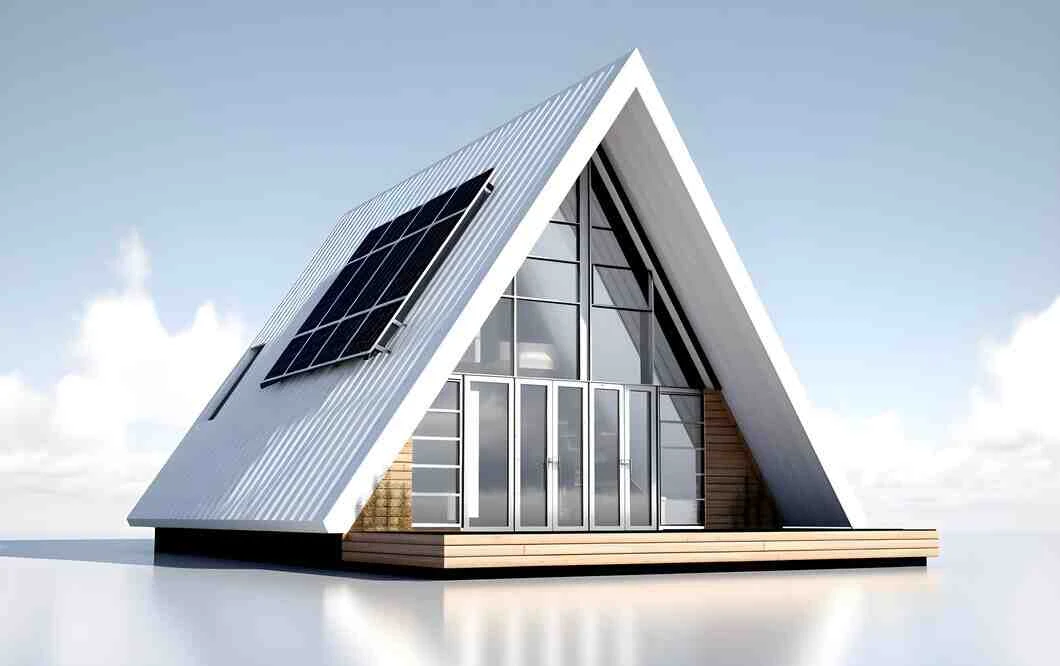
In an era where environmental concerns are at the forefront of our global consciousness, the concept of sustainable architecture has gained significant traction. Sustainable architecture, often referr...
Embarking on a home improvement project can be an exciting but challenging endeavor. When it comes to significant changes, two primary options often come to mind: renovating your existing home or buil...
Sign up to start winning an unlimited amount of jobs near you.


 Electrician
Gas Engineer
Electrician
Gas Engineer


Send more enquiries and explore your options
Increasing the number of potentials leads for you!
Have more control and flexibility over your finances!