


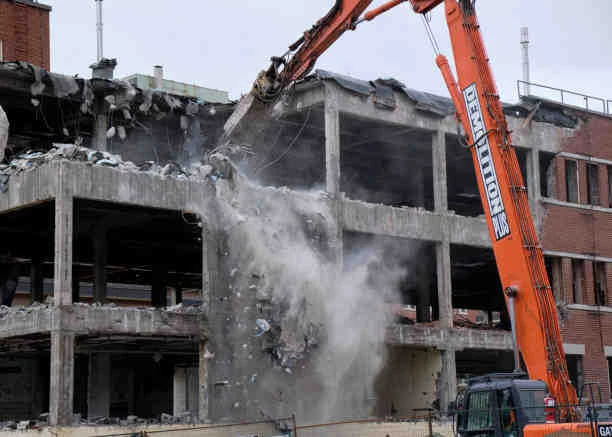
The Importance of Adhering to Building Codes
Building codes are a set of regulations that establish the minimum standards for construction and demolition activities. These codes are not arbitrary; they are meticulously designed to protect the well-being of those involved and the integrity of the environment. Here"s why adhering to building codes in demolition projects is of paramount importance:
Safety First: The primary purpose of building codes is to ensure the safety of individuals involved in demolition projects and to mitigate any potential risks to the public. Non-compliance can lead to accidents, injuries, or even fatalities, not to mention the legal consequences that may follow.
Environmental Responsibility: Building codes also account for the environmental impact of demolition projects. They set guidelines for waste management, recycling, and disposal to minimize the adverse effects on the surrounding ecosystem. Disregarding these regulations can result in environmental damage and hefty fines.
Legal Obligations: Local, state, and federal governments enforce building codes as a legal requirement. Non-compliance can lead to regulatory actions, fines, and legal complications that can significantly impede a project"s progress.
Quality Assurance: Adhering to building codes ensures that the quality of the demolition work meets certain standards. This, in turn, enhances the longevity and safety of the subsequent construction projects on the site.
Consequences of Non-Compliance
Neglecting building codes in demolition projects can have far-reaching consequences, affecting the project"s success, reputation, and financial stability. Here are some of the potential repercussions:
Delays and Increased Costs: Non-compliance often results in project delays, as corrective actions must be taken. These delays can inflate costs due to extended labor and equipment rentals.
Safety Incidents: The most severe consequence is safety incidents, which can result in injuries or even fatalities. Such incidents can lead to legal battles, compensation claims, and damage to a company"s reputation.
Environmental Damage: Failing to follow environmental regulations can lead to pollution and harm the local ecosystem. Remediation efforts can be costly and time-consuming.
Legal Consequences: Government authorities can impose fines and penalties for non-compliance. Legal action may also be taken against the responsible parties, resulting in criminal charges.
Navigating the Building Code Landscape
To ensure a successful demolition project, it"s essential to navigate the complex landscape of building codes effectively. Here are some strategies to help you stay on the right side of the law:
Thorough Research: Begin by thoroughly researching and understanding the specific building codes that apply to your project. Different regions have varying regulations, so it"s crucial to be well-informed.
Engage with Local Authorities: Establish open communication with local building authorities and inspectors. They can provide guidance, answer questions, and offer clarification on the applicable codes.
Hire Experienced Professionals: Consult with experienced professionals who specialize in demolition projects. They can help you design a compliant plan and execute it effectively.
Regular Inspections: Schedule regular inspections during the demolition process to ensure that everything is on track. Early identification and correction of issues can prevent costly delays.
Documentation: Keep meticulous records of all aspects of your project, including permits, inspections, and compliance measures. Documentation is vital in case any legal issues arise.
Training and Education: Ensure that your team is well-trained and up to date with the latest regulations. Investing in ongoing education can save you from compliance issues down the line.
Conclusion
In the world of demolition projects, adhering to building codes is not just an obligation but a necessity. The importance of safety, environmental responsibility, and legal compliance cannot be overstated. Non-compliance can lead to disastrous consequences, including accidents, delays, fines, and legal troubles.
Successful navigation of the complex web of building codes requires thorough research, engagement with local authorities, the involvement of experienced professionals, regular inspections, and comprehensive documentation. By following these guidelines, you can ensure that your demolition project is not only compliant but also safe, environmentally responsible, and poised for success. Remember, the true mark of a successful demolition project is not the speed with which a building comes down, but the care and precision with which it is executed while adhering to the regulations that safeguard our communities and our planet.

Architects play a pivotal role in designing buildings that are not only aesthetically pleasing but also safe and functional. One of the crucial aspects of architectural design is ensuring compliance w...

In the realm of architectural design, aesthetics, and functionality often take center stage. However, a paramount concern that should never be overlooked is safety. The safety of occupants and users i...
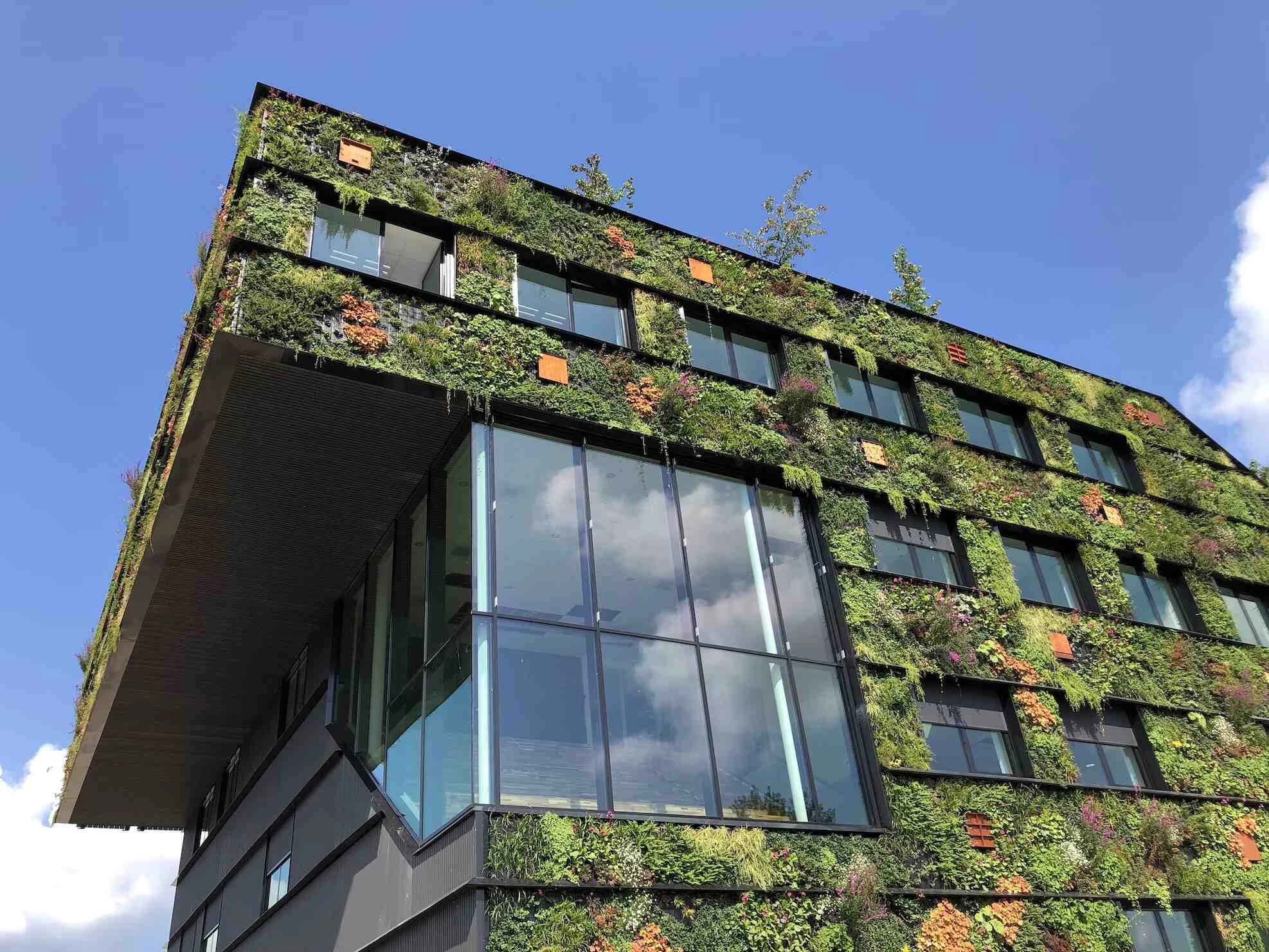
Explore the delicate balance between sustainability innovation and safety regulations in architectural design. Discover how architects create eco-friendly yet safe spaces.

Discover the latest seismic safety innovations for architects in the UK. Stay informed to design resilient structures in low-seismic-risk regions.
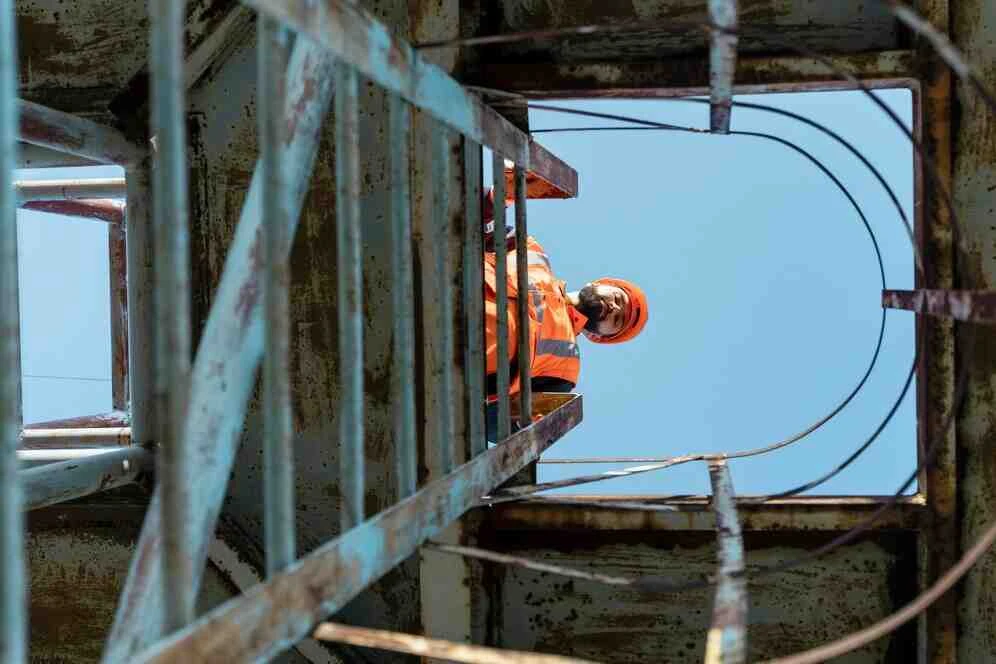
Explore fire safety in UK architecture. Learn about codes, fire-resistant materials, and design strategies to protect lives and property in architectural projects.

Discover the importance of designing inclusively in architecture. Learn how to meet the unique needs of disabled individuals and create accessible spaces for all.
Sign up to start winning an unlimited amount of jobs near you.


 Electrician
Gas Engineer
Electrician
Gas Engineer


Send more enquiries and explore your options
Increasing the number of potentials leads for you!
Have more control and flexibility over your finances!