


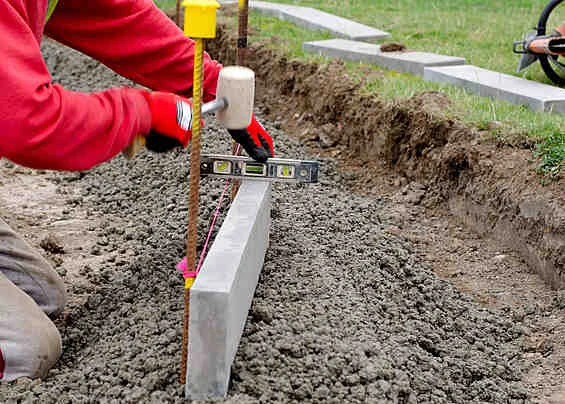
## Step 1: Preliminary Site Assessment
- Site Inspection: The groundwork process begins with a comprehensive inspection of the site. This involves assessing the topography, soil conditions, and any existing structures.
- Soil Analysis: A soil analysis is conducted to understand the soil"s composition, drainage properties, and load-bearing capacity. This information guides decisions related to foundation design.
## Step 2: Planning and Design
- Foundation Design: Based on the site assessment, engineers design the foundation. This includes determining the type of foundation (e.g., shallow or deep foundations) and calculating the appropriate depth and dimensions.
- Excavation Plan: Simultaneously, an excavation plan is developed. This outlines the scope and depth of excavation required, considering factors like soil stability and the planned foundation design.
## Step 3: Regulatory Compliance and Permits
- Research Local Regulations: Before commencing groundwork, it"s essential to research and understand local building codes and regulations. This includes zoning laws, excavation depth limits, and environmental considerations.
- Obtain Necessary Permits: Secure all required permits based on regulatory requirements. This often involves submitting detailed plans and obtaining approvals from relevant authorities.
## Step 4: Excavation
- Clearing the Site: The first physical step involves clearing the site of any obstacles, vegetation, or debris. This creates a clean canvas for excavation.
- Excavation Process: Using heavy machinery, excavation begins according to the predetermined plan. Care is taken to achieve the specified depths and dimensions outlined in the design.
## Step 5: Foundation Installation
- Setting the Foundation: Once excavation is complete, the foundation is set into place. This may involve pouring concrete for a slab foundation, laying concrete blocks, or installing piles for deeper foundations.
- Curing and Inspections: The foundation is allowed to cure, ensuring the concrete reaches its optimal strength. During this phase, inspections may be conducted to verify compliance with design specifications.
## Step 6: Drainage and Utilities
- Drainage Systems: Proper drainage is critical to prevent water accumulation around the foundation. This may involve installing drainage pipes, gravel beds, or other systems to redirect water away from the structure.
- Utility Installation: If the project involves utilities like plumbing or electrical work, this is typically carried out during the groundwork phase. Proper coordination is essential to avoid conflicts with the foundation.
## Step 7: Backfilling and Compaction
- Backfilling: After the foundation is in place and inspected, backfilling begins. This involves filling the excavated area around the foundation with soil. The soil is often compacted in layers to ensure stability.
- Compaction Testing: Compaction testing may be conducted to verify that the backfilled soil reaches the required density. This is crucial for preventing settling or shifting of the foundation.
## Step 8: Site Grading and Preparation
- Grading: The final steps involve grading the site to ensure proper drainage away from the structure. This may include shaping the landscape and ensuring that water flows away from the building.
- Final Inspections: Before completing the groundwork process, final inspections are conducted to ensure that all aspects of the project meet the required standards and specifications.
## Conclusion:
Understanding the groundwork process is essential for anyone involved in construction projects. From initial site assessments to the final touches of grading and inspections, each step plays a crucial role in creating a stable and durable foundation. Whether you"re a homeowner overseeing a residential project or a project manager coordinating a large-scale development, a comprehensive understanding of the groundwork process ensures the success and longevity of the structures you"re building.
Your home is not just a place to live; it"s an expression of your personality and style. One of the most exciting aspects of homeownership is choosing the architectural style that best reflects your t...

Selecting the right architect is a pivotal step in ensuring the success of your construction project, whether it"s a commercial venture or a home improvement project. Architects play a crucial role in...

Architectural design is a complex and creative process that transforms ideas and concepts into tangible structures that shape our built environment. Whether it"s a stunning skyscraper, a sustainable h...

Embarking on an architectural project, whether it"s designing your dream home, renovating a commercial space, or constructing a public building, demands meticulous financial planning. Budgeting is a c...

In an era where environmental concerns are at the forefront of our global consciousness, the concept of sustainable architecture has gained significant traction. Sustainable architecture, often referr...
Embarking on a home improvement project can be an exciting but challenging endeavor. When it comes to significant changes, two primary options often come to mind: renovating your existing home or buil...
Sign up to start winning an unlimited amount of jobs near you.


 Electrician
Gas Engineer
Electrician
Gas Engineer


Send more enquiries and explore your options
Increasing the number of potentials leads for you!
Have more control and flexibility over your finances!