



Step 1: Feasibility Study
The first step in any construction conversion project is a feasibility study. This involves assessing the existing structure"s condition, evaluating its historical or architectural significance, and determining if the intended use is viable. This stage is crucial for understanding potential challenges and estimating costs.
Step 2: Define the Scope
Clearly define the project"s scope, objectives, and goals. Identify what elements of the existing structure will be retained, altered, or removed. This step helps create a vision for the conversion project and sets the parameters for design and construction.
Step 3: Design and Architectural Planning
Engage architects and designers to develop plans that respect the building"s existing structure while accommodating the new purpose. The design phase includes architectural drawings, structural considerations, and any necessary permits or approvals.
Step 4: Budgeting and Cost Estimation
Prepare a detailed budget that includes construction costs, design fees, permits, and contingencies. Budgeting is a critical step in ensuring that the project remains financially viable. Be prepared for unforeseen expenses, as construction conversion projects often encounter unexpected challenges.
Step 5: Regulatory Approvals
Obtain the necessary permits and approvals from local authorities. Construction conversion projects often require adherence to specific building codes and preservation guidelines due to the historic or unique nature of the existing structure.
Step 6: Structural Assessment
Assess the structural integrity of the building to ensure it can support the intended use. This may involve reinforcing or modifying the existing structure to meet safety and load-bearing requirements.
Step 7: Environmental Considerations
Evaluate and address any environmental concerns such as asbestos, lead paint, or other hazardous materials that may be present in the existing structure. Safely remediate these issues to ensure the health and safety of the project team and future occupants.
Step 8: Construction
The construction phase involves executing the plans, renovating, and adapting the existing structure to the new purpose. This step may include demolishing interior walls, updating plumbing and electrical systems, and installing new features.
Step 9: Preservation and Restoration
Preserve and restore the unique architectural features and historical significance of the building. This might involve restoring original facades, windows, or decorative elements to maintain the structure"s character.
Step 10: Sustainability
Construction conversion projects often offer an excellent opportunity to incorporate sustainable practices. Consider energy-efficient systems, eco-friendly materials, and environmentally responsible design elements to enhance the building"s sustainability.
Step 11: Quality Control and Inspections
Regular quality control checks and inspections are crucial during the construction conversion process to ensure that work meets safety and quality standards.
Step 12: Interior Design and Finishing Touches
Complete the interior design and finish the project with furnishings, fixtures, and decorative elements that align with the new use and vision for the space.
Step 13: Commissioning and Testing
Before occupancy, test all systems, such as HVAC, electrical, and plumbing, to ensure they are functioning correctly. This step guarantees that the building is ready for its intended use.
Step 14: Occupancy and Ongoing Maintenance
Once the project is complete and has passed all inspections, occupants can move in. Ongoing maintenance and management are vital to ensure the building continues to function as intended and retains its value.
Conclusion
Construction conversion is a complex yet rewarding process that breathes new life into existing structures while preserving their historical and architectural significance. By following these steps, you can navigate the conversion process successfully, creating a unique and sustainable space that serves its new purpose while respecting the past.
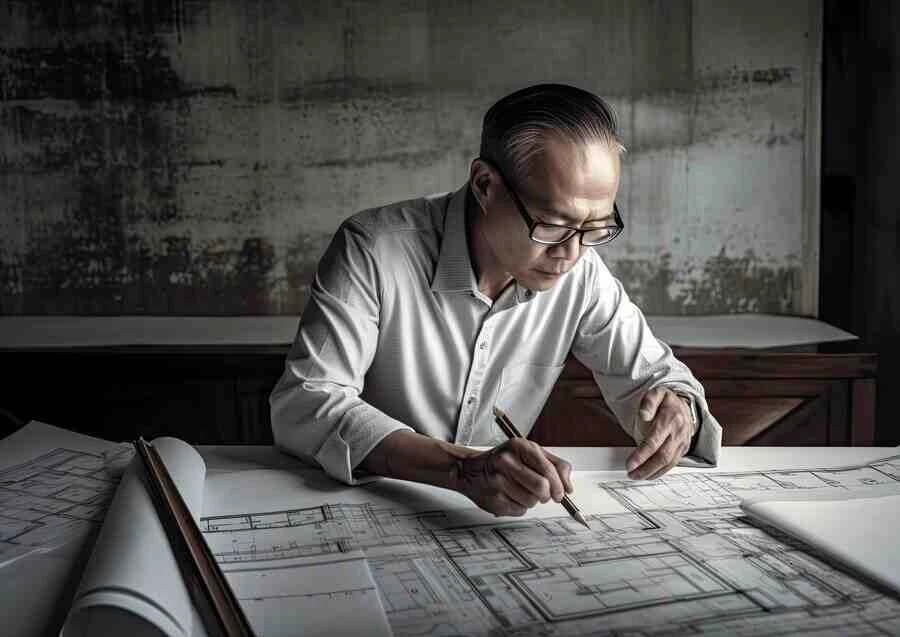
Your home is not just a place to live; it"s an expression of your personality and style. One of the most exciting aspects of homeownership is choosing the architectural style that best reflects your t...

Selecting the right architect is a pivotal step in ensuring the success of your construction project, whether it"s a commercial venture or a home improvement project. Architects play a crucial role in...

Architectural design is a complex and creative process that transforms ideas and concepts into tangible structures that shape our built environment. Whether it"s a stunning skyscraper, a sustainable h...

Embarking on an architectural project, whether it"s designing your dream home, renovating a commercial space, or constructing a public building, demands meticulous financial planning. Budgeting is a c...
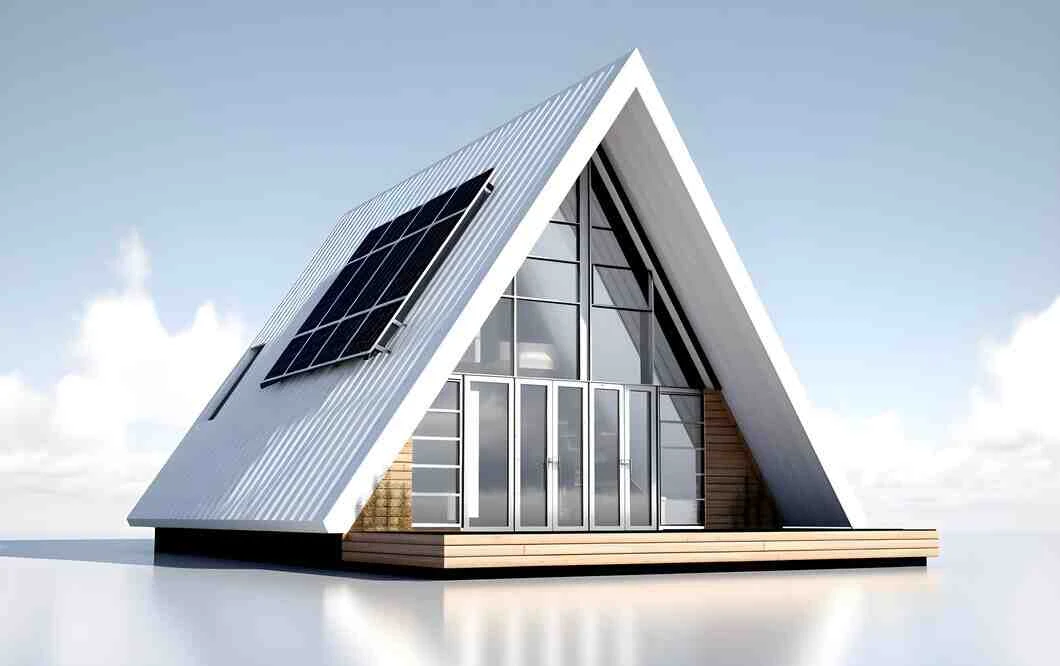
In an era where environmental concerns are at the forefront of our global consciousness, the concept of sustainable architecture has gained significant traction. Sustainable architecture, often referr...
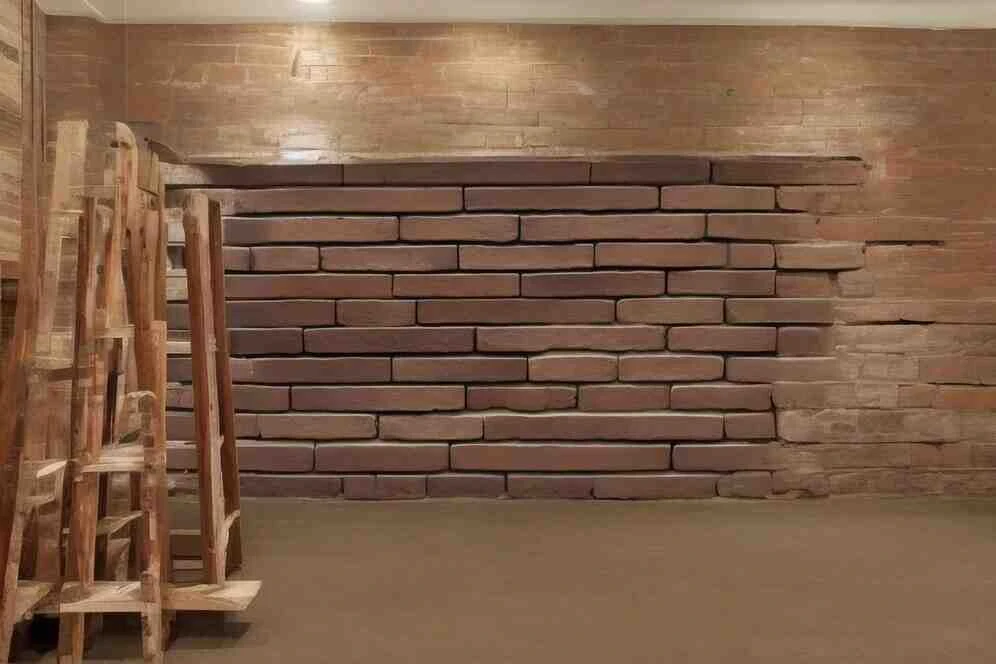
Embarking on a home improvement project can be an exciting but challenging endeavor. When it comes to significant changes, two primary options often come to mind: renovating your existing home or buil...
Sign up to start winning an unlimited amount of jobs near you.


 Electrician
Gas Engineer
Electrician
Gas Engineer


Send more enquiries and explore your options
Increasing the number of potentials leads for you!
Have more control and flexibility over your finances!