


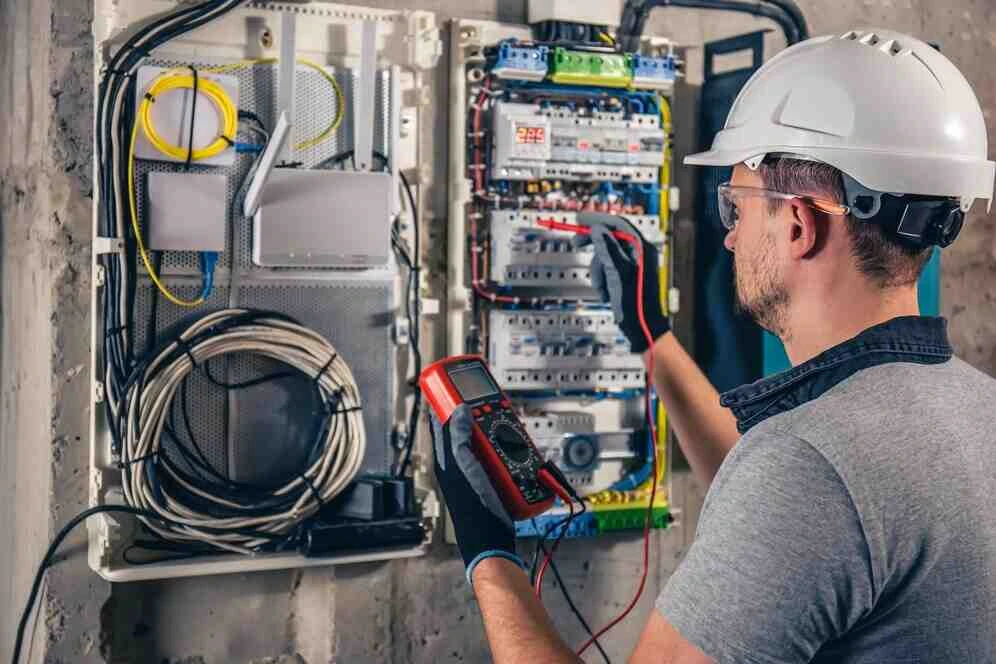
Assessment and Planning:
Before you start knocking down walls or installing new fixtures, assess your current electrical system. Consider the following:
· Load Capacity: Ensure that your electrical panel can handle the increased load from new appliances or additional outlets. If necessary, consult with an electrician about upgrading the panel.
· Safety and Code Compliance: Ensure your existing wiring is up to code. This is especially important if your home is older, as outdated wiring can be a safety hazard. Rewiring may be necessary to meet current safety standards.
· Outlet and Switch Placement: Plan the placement of outlets, switches, and fixtures carefully. Consider the function of each room and ensure that electrical access is convenient and aesthetically pleasing.
2. Hire a Professional Electrician:
Even if you are a seasoned DIY enthusiast, electrical work is not the place to cut corners. Hiring a licensed electrician is essential for safety and code compliance. They can:
· Assess and Upgrade Wiring: An electrician can evaluate your existing wiring and make any necessary upgrades to meet code requirements.
· Ensure Proper Grounding: Grounding is crucial for safety. An electrician will ensure that your system is correctly grounded to prevent electrical shocks.
· Install GFCI Outlets: Ground Fault Circuit Interrupter (GFCI) outlets are essential in areas prone to moisture, like bathrooms and kitchens. They provide additional protection against electrical accidents.
· Manage Permits and Inspections: A professional electrician can handle the necessary permits and ensure that your project passes inspections.
3. Consider Future Needs:
Think about your long-term plans for the home. Are you planning to add more rooms, install a home office, or perhaps an electric car charging station in the future? Wiring for potential future needs now can save you time and money down the road.
4. Energy Efficiency:
Incorporate energy-efficient options into your wiring plan. LED lighting, programmable thermostats, and smart home systems can reduce energy consumption and lower your utility bills.
5. Safety Measures:
· Smoke Alarms and Carbon Monoxide Detectors: Ensure that smoke alarms and carbon monoxide detectors are properly wired and strategically placed throughout your home.
· Arc-Fault Circuit Interrupters (AFCIs): Consider installing AFCIs to protect against electrical fires caused by arc faults.
6. Proper Labeling:
After the electrical work is complete, make sure all circuits are labeled correctly in your electrical panel. This will help you troubleshoot issues and make future changes more manageable.
7. Regular Maintenance:
Once your renovation is complete, establish a regular maintenance schedule for your electrical system. This includes checking for loose connections, frayed wires, and any signs of wear.
Conclusion:
Wiring for home renovations requires careful planning and the expertise of a professional electrician. By assessing your electrical needs, hiring a licensed electrician, considering future requirements, prioritizing safety and energy efficiency, and maintaining your system, you can ensure that your home renovation is not only beautiful but also safe and up to code. Don"t overlook the importance of proper wiring—it"s an investment in the comfort and safety of your home.

Introduction: In carpentry, time is money, and workflow is the pulse that keeps the business alive. Yet, many carpenters need help with a disjointed workflow, stifling efficiency and sapping the joy o...
.webp)
Introduction: Carpentry more than just a trade, is an art form. The journey to mastery involves constantly honing one"s skills, a voyage where every chisel stroke and nail-driven shapes not just ...

In the world of woodworking, every piece of timber tells a story - a tale of craftsmanship, dedication, and wisdom. For aspiring woodworkers and seasoned artisans alike, this blog is a collection of T...

In the world of woodworking, every piece crafted is a note in the symphony of a carpenter"s career. Yet, to compose a melodious tune, one must prioritize the conductor - their health and longevity. Th...
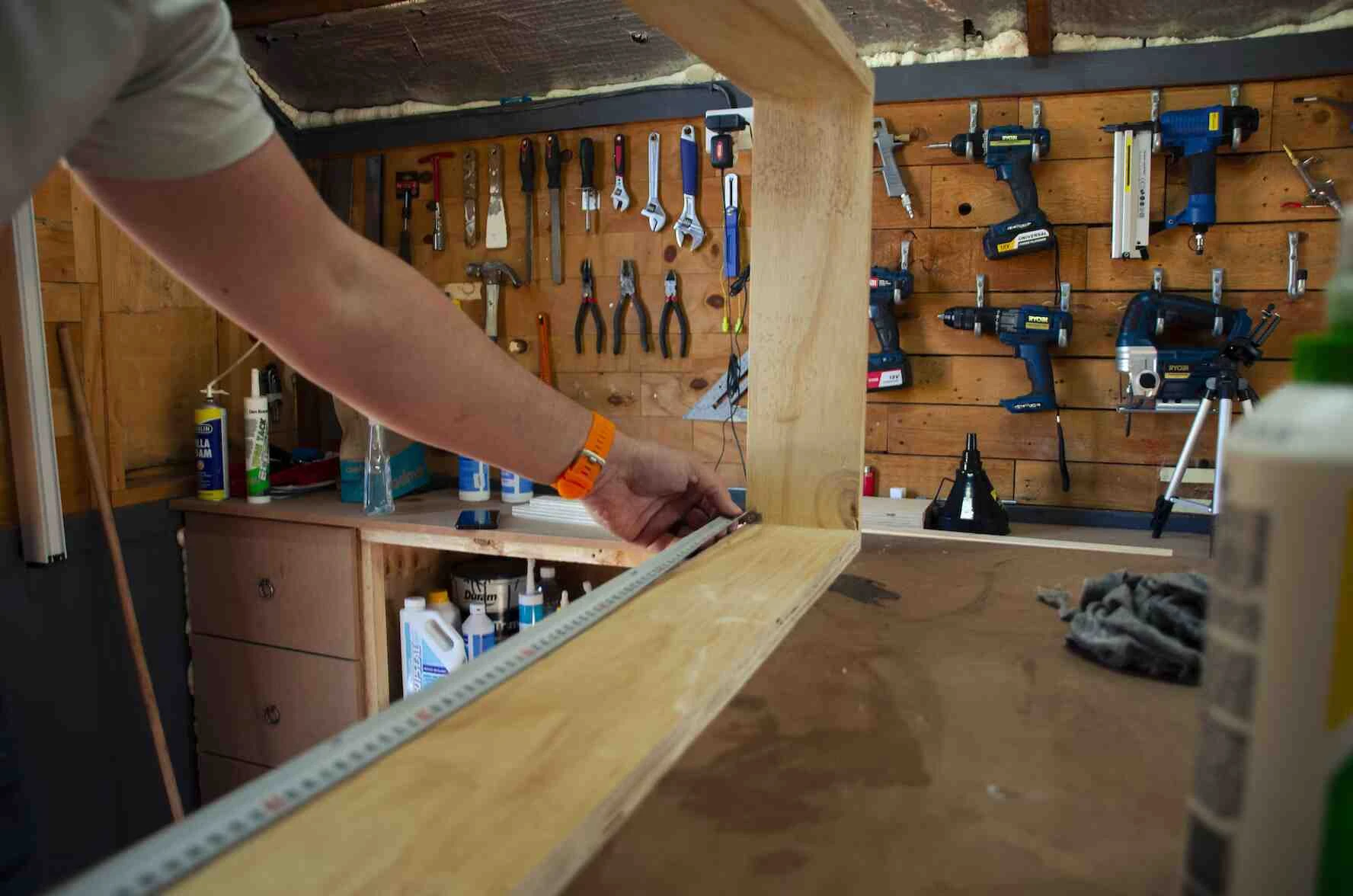
In carpentry, precision isn"t just about chiselling wood; it"s about chiselling a successful business. Financial stability and growth are the building blocks of a carpentry enterprise. Welcome to "Cra...

In the world of woodworking, creating something beautiful is not just an art—it"s a responsibility. A responsibility towards the craft, the client, and most importantly, the safety and well-bein...
Sign up to start winning an unlimited amount of jobs near you.


 Electrician
Gas Engineer
Electrician
Gas Engineer


Send more enquiries and explore your options
Increasing the number of potentials leads for you!
Have more control and flexibility over your finances!