


Plan Ahead
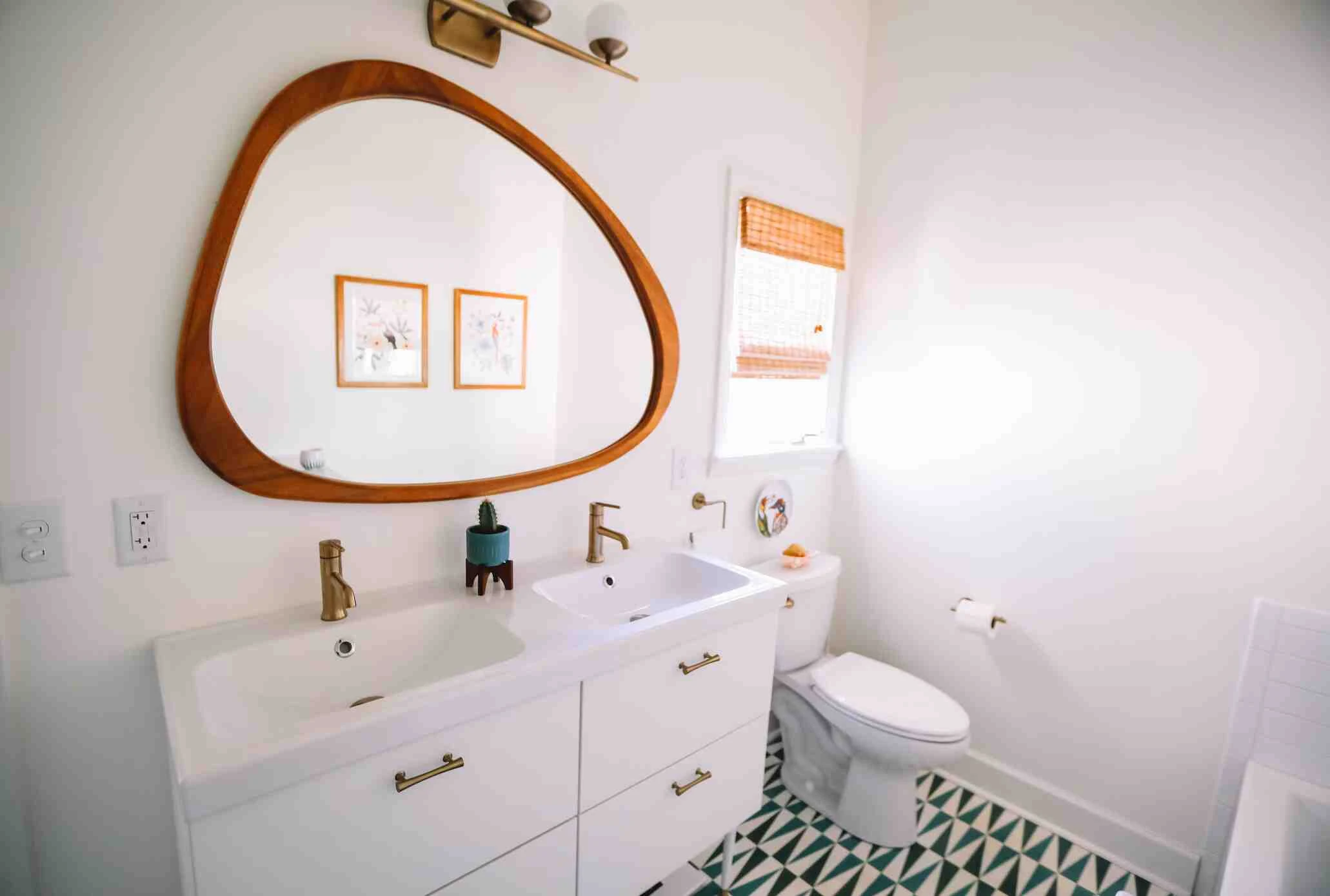
Effective waterproofing starts with proper planning. When designing or remodeling your bathroom, consider the layout and placement of fixtures to minimize water exposure. Ensure that all wet areas, such as showers, tubs, and sinks, are designed with waterproofing in mind.
2. Invest in Quality Materials
Using high-quality waterproofing materials is crucial. Look for waterproof membranes, cement boards, and waterproof adhesives that are designed specifically for bathroom applications. Inferior materials can lead to leaks and costly repairs down the road.
3. Seal Joints and Gaps
Pay close attention to seams, joints, and gaps where water can seep through. Use waterproof sealants or caulking to seal joints between tiles, along edges, and around fixtures. Proper sealing ensures that water cannot penetrate vulnerable areas.
4. Apply Waterproof Membranes
Waterproof membranes are a critical component of bathroom waterproofing. They create a barrier that prevents moisture from reaching the underlying structure. Apply a waterproof membrane to walls, floors, and even ceilings in wet areas like showers and around the bathtub.
5. Slope Shower Floors
In the shower area, ensure that the floor is properly sloped toward the drain. This slope encourages water to flow away quickly, reducing the risk of standing water, which can lead to leaks and mold growth. Use a pre-sloped shower pan or consult a professional for proper installation.
6. Waterproof Underlayment
Install a waterproof underlayment beneath your tile or flooring. This additional layer of protection prevents water from seeping through the floor and causing damage to the subfloor. There are various waterproof underlayment options available, so choose one that suits your needs.
7. Choose Water-Resistant Finishes
Select water-resistant finishes for walls, floors, and ceilings. Porcelain and ceramic tiles are excellent choices for bathroom surfaces, as they are not only water-resistant but also durable and easy to clean. For walls, consider waterproof paint or beadboard.
8. Properly Install Fixtures
During fixture installation, ensure that all connections are tight and sealed. Pay attention to the installation of faucets, showerheads, and drains. Properly installed fixtures prevent water from leaking into walls and floors.
9. Regular Maintenance
Regular maintenance is key to preventing water damage in the long run. Check for any signs of damage, such as cracked tiles or deteriorating grout and caulk. Promptly repair or replace damaged areas to maintain the integrity of the waterproofing.
10. Consult a Professional
If you’re unsure about any aspect of bathroom waterproofing, it’s advisable to consult a professional. A qualified contractor or waterproofing expert can assess your specific needs, provide guidance, and ensure that all waterproofing measures are properly executed.
Conclusion
Waterproofing is a crucial aspect of bathroom design and renovation that should not be overlooked. By following these waterproofing tips, you can protect your bathroom from moisture damage, mold growth, and costly repairs. A well-protected bathroom not only ensures the longevity of your space but also provides a clean and healthy environment for you and your family to enjoy.
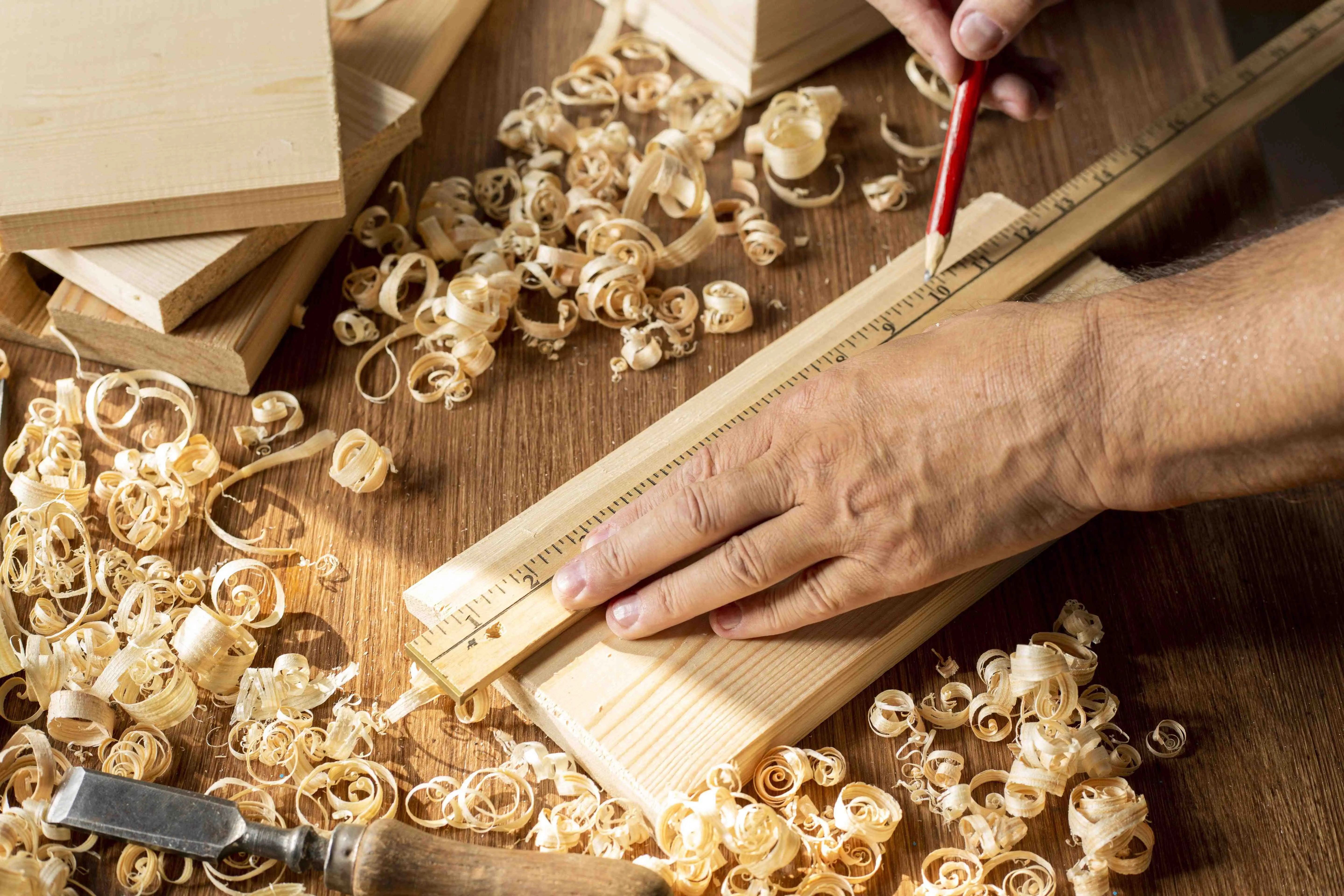
Introduction: In carpentry, time is money, and workflow is the pulse that keeps the business alive. Yet, many carpenters need help with a disjointed workflow, stifling efficiency and sapping the joy o...
.webp)
Introduction: Carpentry more than just a trade, is an art form. The journey to mastery involves constantly honing one"s skills, a voyage where every chisel stroke and nail-driven shapes not just ...
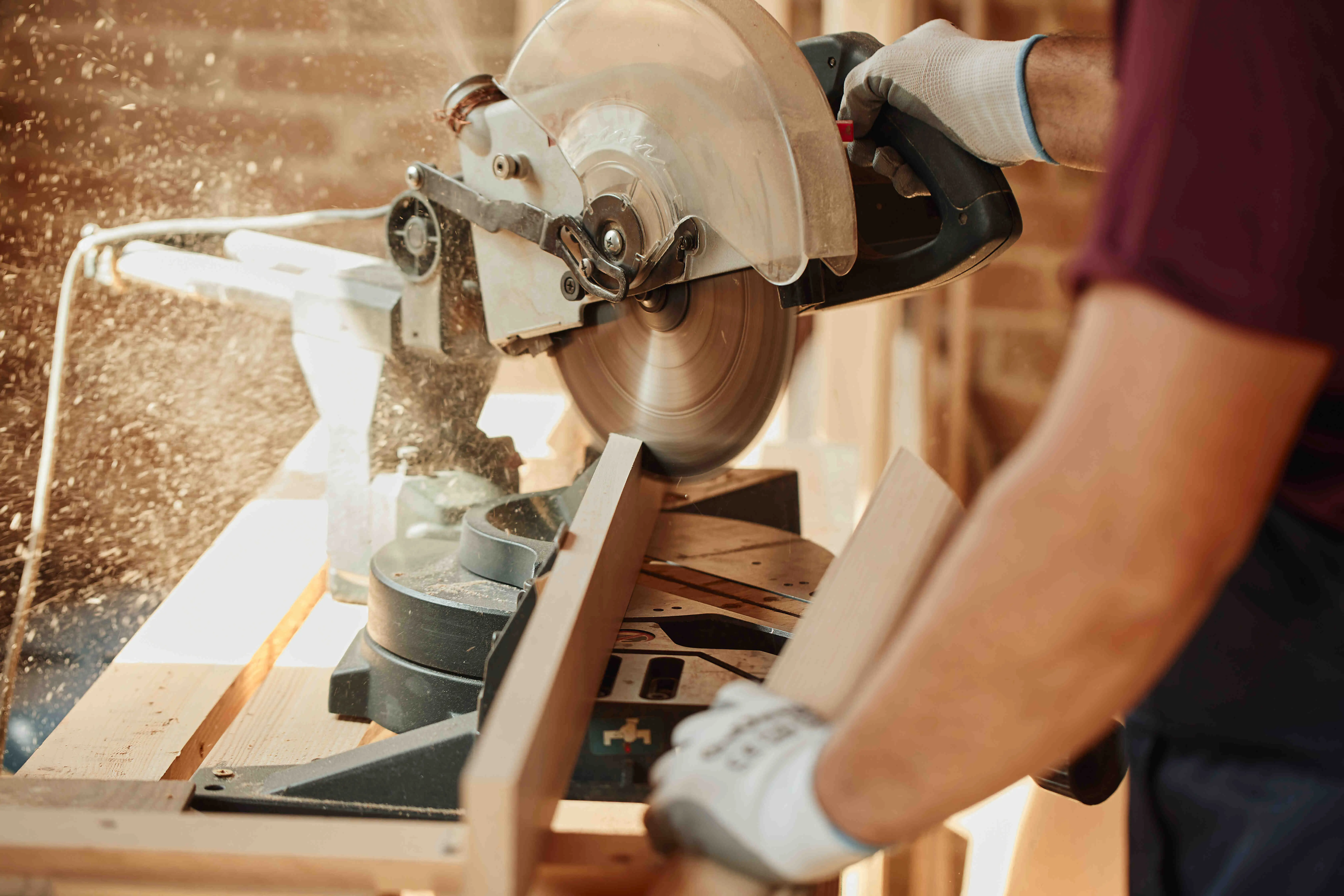
In the world of woodworking, every piece of timber tells a story - a tale of craftsmanship, dedication, and wisdom. For aspiring woodworkers and seasoned artisans alike, this blog is a collection of T...

In the world of woodworking, every piece crafted is a note in the symphony of a carpenter"s career. Yet, to compose a melodious tune, one must prioritize the conductor - their health and longevity. Th...
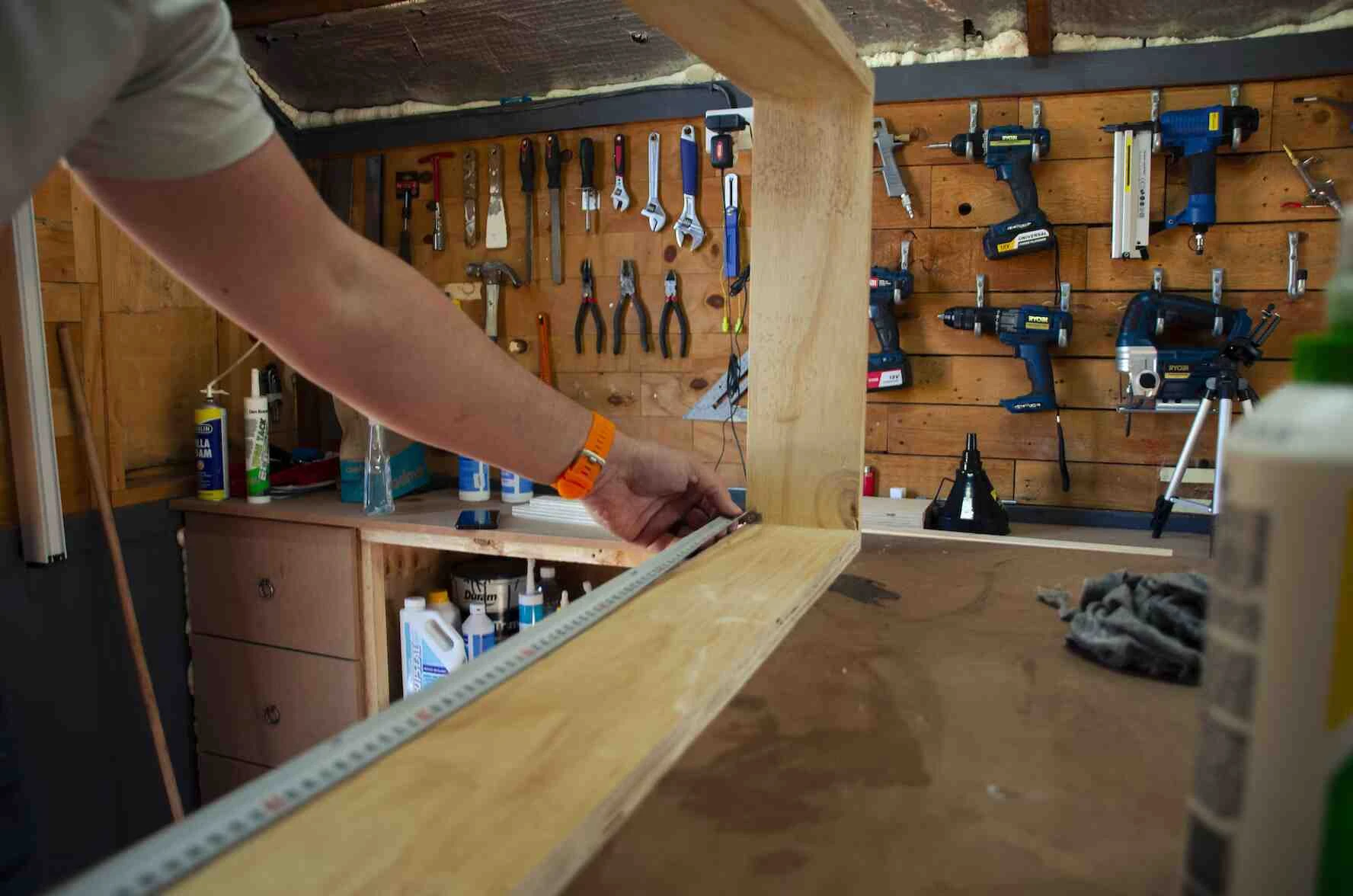
In carpentry, precision isn"t just about chiselling wood; it"s about chiselling a successful business. Financial stability and growth are the building blocks of a carpentry enterprise. Welcome to "Cra...

In the world of woodworking, creating something beautiful is not just an art—it"s a responsibility. A responsibility towards the craft, the client, and most importantly, the safety and well-bein...
Sign up to start winning an unlimited amount of jobs near you.


 Electrician
Gas Engineer
Electrician
Gas Engineer


Send more enquiries and explore your options
Increasing the number of potentials leads for you!
Have more control and flexibility over your finances!