



1. 3D Printing and Additive Manufacturing
One of the most groundbreaking innovations in construction engineering is 3D printing. This technology has the potential to revolutionize the construction industry by enabling the quick and cost-effective production of complex building components. Large-scale 3D printers can create walls, foundations, and even entire structures using various materials, such as concrete, cement, or composite materials. These techniques reduce construction time, minimize waste, and enhance design possibilities.
Notably, 3D printing has been used in emergency housing projects and disaster relief, where rapid construction is crucial. It also opens the door to customizable, sustainable, and architecturally stunning designs.
2. Smart Materials and Self-Healing Concrete
Smart materials are another significant development in construction engineering. These materials possess unique properties that can adapt to changing conditions, improving a structure"s durability and longevity. For instance, self-healing concrete contains microorganisms or capsules that release healing agents when cracks appear, effectively repairing the damage. This technology not only prolongs the lifespan of structures but also reduces maintenance costs and environmental impact.
Additionally, smart materials can be integrated into construction projects to improve insulation, enhance energy efficiency, and provide better acoustic performance. These innovations are critical in the context of sustainable and energy-efficient construction.
3. Augmented Reality (AR) and Virtual Reality (VR)
The integration of AR and VR technologies has transformed the way construction professionals plan, visualize, and execute projects. These immersive technologies enable architects, engineers, and builders to experience a project"s design in a virtual environment, identifying potential issues before construction begins. AR and VR also assist in project management, reducing errors, improving collaboration, and enhancing communication among stakeholders.
During construction, AR can provide real-time information to workers through wearable devices, aiding in tasks like layout, measurements, and quality control. It can also help streamline maintenance and repair operations by providing instant access to building information and repair instructions.
4. Building Information Modeling (BIM)
Building Information Modeling (BIM) is an essential technology in modern construction. It involves creating a digital representation of a building or infrastructure project, which includes all relevant information and data. BIM facilitates collaboration and information sharing among project stakeholders, leading to more efficient and cost-effective construction processes.
The latest BIM innovations incorporate artificial intelligence and machine learning, improving design optimization, cost estimation, and risk analysis. BIM also supports sustainability by enabling real-time energy and resource consumption monitoring, allowing for better decision-making during the entire building lifecycle.
5. Robotics and Automation
Robotics and automation technologies are increasingly being used to enhance construction efficiency and safety. Drones, for instance, are employed for site surveying, progress monitoring, and safety inspections, reducing the need for risky human interventions. Autonomous construction equipment and robots can assist in various tasks, such as bricklaying, demolition, and even 3D printing, contributing to improved productivity and worker safety.
6. Sustainable Building Practices
In response to growing environmental concerns, construction conversion engineering has witnessed a surge in sustainable building practices. These include the use of renewable and recycled materials, energy-efficient designs, and green building certifications. Advances in sustainable construction technologies include solar-integrated building materials, green roofs, and improved insulation techniques, all of which contribute to a reduced carbon footprint and a more sustainable future.
Conclusion
The construction industry is experiencing a technological renaissance, driven by the need for sustainability, efficiency, and innovation. The latest developments in construction conversion engineering, such as 3D printing, smart materials, AR and VR, BIM, robotics, and sustainable practices, are transforming the way we design, build, and maintain structures. These innovations not only improve construction efficiency and quality but also contribute to a more sustainable and eco-friendly future for the industry. As these technologies continue to evolve and become more widely adopted, we can expect to see even more impressive and transformative changes in the construction landscape in the years to come.

The world of carpentry is buzzing with innovations, trends, and transformative technologies. For carpenters, keeping up with these changes isn"t just about staying ahead in the game; it"s about ensuri...

In an era where technology weaves through every facet of our lives, the carpentry profession is no exception to its transformative power. Welcome to "Carpentry Chronicles," a blog series dedicated to ...

Welcome to "Carpentry Chronicles," a blog series dedicated to navigating the ever-evolving landscape of carpentry. In this edition, we dive into a trend reshaping the carpentry domain—customizat...

In the bustling world of carpentry, safety isn"t just a precaution; it"s a fundamental necessity. Welcome to "Carpentry Chronicles," a blog series committed to navigating the ever-evolving landscape o...

In carpentry, where wood meets creativity, mastery is not just a goal; it"s a journey. Welcome to "Carpentry Chronicles," a blog series that peels back the layers of carpentry to reveal the artistry a...
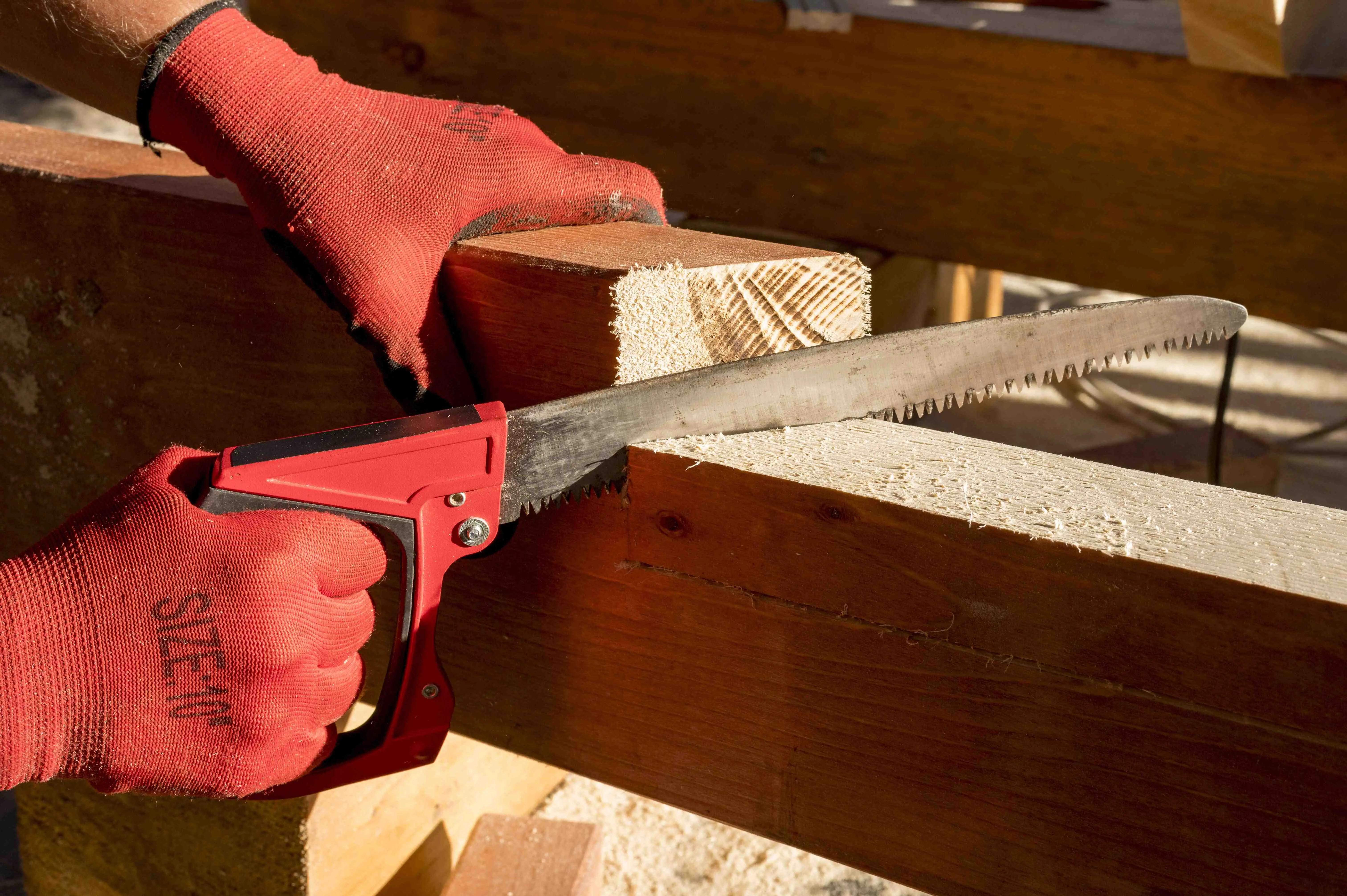
In the ever-evolving design landscape, where trends come and go, one element stands timeless—wood. Welcome to "Carpentry Chronicles," a blog series committed to navigating the dynamic world of c...
Sign up to start winning an unlimited amount of jobs near you.


 Electrician
Gas Engineer
Electrician
Gas Engineer


Send more enquiries and explore your options
Increasing the number of potentials leads for you!
Have more control and flexibility over your finances!