


1. Garden Planning Software
Garden planning software is a game-changer for anyone looking to create a garden that"s visually appealing and perfectly functional. These applications offer a range of features, including:
a. Garden Visualization: They allow users to design and visualize their garden layouts in 2D and 3D, helping you see the end result before even planting a single flower.
b. Plant Databases: Most garden software provides extensive plant databases with information on various species, their care requirements, and compatibility with other plants in your garden.
c. Sun and Shade Analysis: Garden planning tools help you understand the sun and shade patterns in your outdoor space throughout the day and year. This is crucial for placing plants appropriately.
Popular garden planning software includes Garden Planner, SmartDraw, and Home Designer Landscape and Deck.
2. Augmented Reality (AR) Apps
Augmented reality apps bring a new dimension to garden design. With AR, you can superimpose virtual elements onto your real-world garden, making it easier to experiment with different designs. Here are some ways AR is transforming garden design:
a. Instant Visualizations: Use your smartphone or tablet to see how different plants, hardscapes, or structures would look in your actual garden setting.
b. Real-Time Plant Identification: Point your device"s camera at a plant, and AR apps can identify it, providing care instructions and ideas for complementary additions.
c. Interactive Tutorials: AR apps often include step-by-step tutorials for gardening tasks like planting, pruning, and maintenance.
Apps like iScape and Home Outside are popular choices for those who want to harness the power of augmented reality in garden design.
3. Weather and Climate Analysis Tools
Understanding your garden"s local weather conditions and microclimates is crucial for success. There are several digital tools that can help with this:
a. Weather Apps: Use weather apps to monitor real-time weather data, including temperature, humidity, rainfall, and wind. This information is essential for watering schedules and plant selection.
b. Microclimate Mapping: Some specialized software can help you map microclimates in your garden, identifying areas that receive more or less sun, heat, or wind. This data is invaluable when choosing plant locations.
c. Frost and Freeze Calculators: These tools predict the likelihood of frost or freeze in your area, enabling you to protect sensitive plants during the winter months.
4. Garden Maintenance Apps
Once your garden is designed and planted, the work doesn"t stop. Garden maintenance apps help you keep your outdoor space in optimal condition. These apps often include:
a. Task Schedulers: Plan your gardening tasks and receive reminders for planting, watering, fertilizing, and pruning.
b. Plant Diaries: Keep track of your plant collection, including care notes, growth progress, and photos.
c. Pest and Disease Identification: If you encounter issues, these apps can help you identify and address plant pests and diseases.
Apps like Gardenize and Garden Manager are designed to help you maintain a healthy and thriving garden.
Conclusion
Digital tools and software have transformed the way we design, plan, and maintain our gardens. Whether you"re a professional landscape architect or a casual gardener, these tools can significantly enhance your gardening experience. With garden planning software, augmented reality apps, weather analysis tools, and maintenance apps at your fingertips, you can create a garden that"s not only visually stunning but also tailored to the specific needs of your outdoor space. Embrace technology to unlock the full potential of your garden and embark on a journey of creativity and beauty in your outdoor haven.

The world of carpentry is buzzing with innovations, trends, and transformative technologies. For carpenters, keeping up with these changes isn"t just about staying ahead in the game; it"s about ensuri...

In an era where technology weaves through every facet of our lives, the carpentry profession is no exception to its transformative power. Welcome to "Carpentry Chronicles," a blog series dedicated to ...

Welcome to "Carpentry Chronicles," a blog series dedicated to navigating the ever-evolving landscape of carpentry. In this edition, we dive into a trend reshaping the carpentry domain—customizat...

In the bustling world of carpentry, safety isn"t just a precaution; it"s a fundamental necessity. Welcome to "Carpentry Chronicles," a blog series committed to navigating the ever-evolving landscape o...

In carpentry, where wood meets creativity, mastery is not just a goal; it"s a journey. Welcome to "Carpentry Chronicles," a blog series that peels back the layers of carpentry to reveal the artistry a...
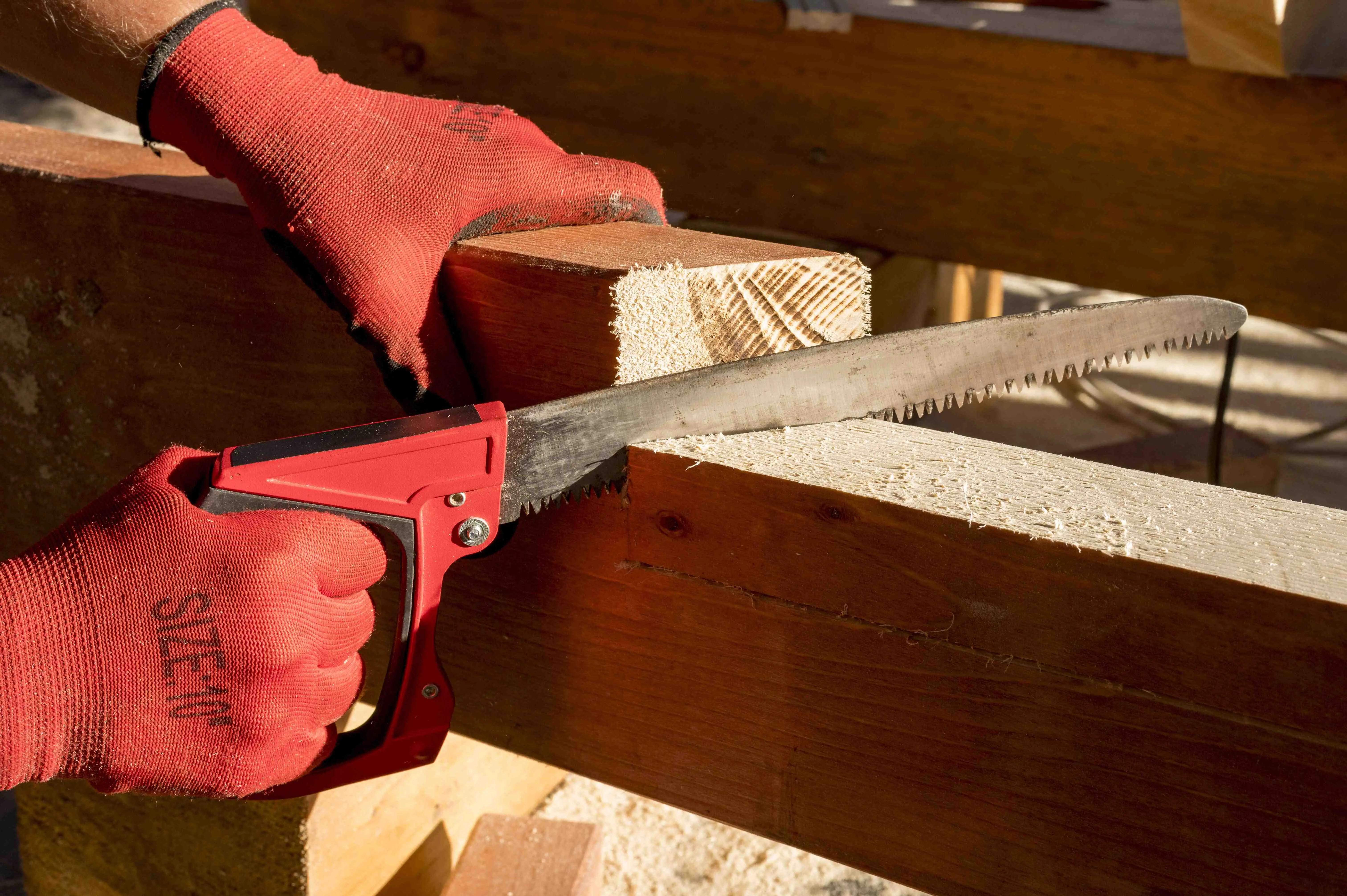
In the ever-evolving design landscape, where trends come and go, one element stands timeless—wood. Welcome to "Carpentry Chronicles," a blog series committed to navigating the dynamic world of c...
Sign up to start winning an unlimited amount of jobs near you.


 Electrician
Gas Engineer
Electrician
Gas Engineer


Send more enquiries and explore your options
Increasing the number of potentials leads for you!
Have more control and flexibility over your finances!