


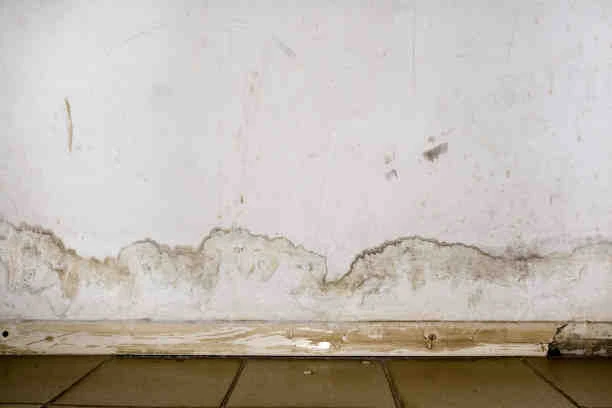
What is Damp?
Damp is the presence of unwanted moisture within the walls, floors, or ceilings of a building. It occurs due to the infiltration of water or moisture, either from the outside or within the structure itself. Damp can manifest in various forms, each with its unique characteristics and causes.
1. Rising Damp
Expert Insight: Dr. Sarah Thompson, Structural Engineer
Dr. Sarah Thompson, a seasoned structural engineer, explains, "Rising damp occurs when groundwater infiltrates a building through capillary action. Water rises through porous building materials like bricks and mortar. This type of damp is common in older properties with inadequate damp-proofing measures."
Causes:
Lack of an effective damp-proof course (DPC)
Damaged or bridged DPC
High water table
Treatment and Prevention:
Installing a new DPC
Replastering affected areas with damp-proof render
Maintaining good ventilation
2. Penetrating Damp
Expert Insight: John Stevens, Building Inspector
According to John Stevens, a seasoned building inspector, "Penetrating damp is typically a result of water infiltrating a building through gaps or weaknesses in its structure. It often occurs due to leaks, defects, or poorly maintained exteriors."
Causes:
Leaking roofs
Damaged guttering
Faulty windows and doors
Cracks or gaps in walls
Blocked or damaged drainage
Treatment and Prevention:
Fixing the source of the water ingress
Waterproofing and sealing affected areas
Regular maintenance checks
3. Condensation Damp
Expert Insight: Dr. Emily Green, Environmental Scientist
Dr. Emily Green, an environmental scientist, highlights, "Condensation damp is perhaps the most common type of damp, and it"s often a result of poor ventilation, lifestyle choices, and temperature differences within a building."
Causes:
Inadequate ventilation
High humidity levels
Cold surfaces meeting warm, moist air
Drying clothes indoors
Treatment and Prevention:
Improving ventilation through extractor fans or opening windows
Reducing humidity with dehumidifiers
Insulating and draught-proofing
Avoiding activities that increase moisture indoors
4. Fungal Damp (Mould and Mildew)
Expert Insight: Dr. Richard Collins, Mycologist
Dr. Richard Collins, a renowned mycologist, notes, "Fungal damp is a consequence of excessive moisture in a building, leading to the growth of mould and mildew. It can be harmful to both the building and its occupants."
Causes:
High humidity
Condensation
Leaking pipes
Poor insulation
Treatment and Prevention:
Removing affected materials
Controlling humidity and condensation
Fixing leaks
Using fungicidal treatments
5. Wet Rot and Dry Rot
Expert Insight: Peter Wilson, Preservation Specialist
Peter Wilson, a preservation specialist, explains, "Wet and dry rot are types of fungal decay that can severely damage the timber in a building. Identifying and treating these types of damp promptly is crucial."
Causes:
Excessive moisture in timber
Poorly ventilated subfloors
Leaking pipes
Damp masonry
Treatment and Prevention:
Replacing affected timber
Repairing the source of moisture
Improving ventilation
Using preservatives
6. Salt Damp (Efflorescence)
Expert Insight: Laura Collins, Conservation Architect
Laura Collins, a conservation architect, says, "Salt damp, or efflorescence, is a unique type of damp that occurs when soluble salts in building materials crystallize on the surface. It"s often found in historic buildings."
Causes:
Presence of soluble salts in building materials
Moisture movement through walls
Treatment and Prevention:
Removing efflorescence deposits
Preventing moisture ingress
Using salt-resistant materials
Preventing and Managing Damp Issues
To prevent damp in your home, experts suggest:
Regular Maintenance: Ensure that your property is well-maintained. Fix leaks, clear gutters, and seal cracks promptly.
Proper Ventilation: Adequate ventilation is essential to control humidity levels and prevent condensation. Use extractor fans and open windows when necessary.
Damp-Proofing: If your property lacks an effective damp-proof course, consider installing one to prevent rising damp.
Insulation: Proper insulation can help maintain consistent temperatures within your home, reducing the risk of condensation and fungal damp.
Monitoring: Keep an eye out for signs of damp, such as stains, mould, or peeling wallpaper. Address these issues promptly to prevent further damage.
Seek Professional Advice: If you"re unsure about the type of damp or the best course of action, consult with a professional, such as a structural engineer, building inspector, or preservation specialist.
In conclusion, damp can be a formidable foe for homeowners. Understanding the different types of damp, their causes, and how to prevent or treat them is crucial for maintaining the integrity and safety of your property. By heeding the advice of experts in the field, you can safeguard your home against the damaging effects of damp and enjoy a comfortable, healthy living environment. Remember, prevention is key, and early intervention can save you both time and money in the long run.
Introduction: In carpentry, time is money, and workflow is the pulse that keeps the business alive. Yet, many carpenters need help with a disjointed workflow, stifling efficiency and sapping the joy o...
.webp)
Introduction: Carpentry more than just a trade, is an art form. The journey to mastery involves constantly honing one"s skills, a voyage where every chisel stroke and nail-driven shapes not just ...

In the world of woodworking, every piece of timber tells a story - a tale of craftsmanship, dedication, and wisdom. For aspiring woodworkers and seasoned artisans alike, this blog is a collection of T...
In the world of woodworking, every piece crafted is a note in the symphony of a carpenter"s career. Yet, to compose a melodious tune, one must prioritize the conductor - their health and longevity. Th...
In carpentry, precision isn"t just about chiselling wood; it"s about chiselling a successful business. Financial stability and growth are the building blocks of a carpentry enterprise. Welcome to "Cra...

In the world of woodworking, creating something beautiful is not just an art—it"s a responsibility. A responsibility towards the craft, the client, and most importantly, the safety and well-bein...
Sign up to start winning an unlimited amount of jobs near you.


 Electrician
Gas Engineer
Electrician
Gas Engineer


Send more enquiries and explore your options
Increasing the number of potentials leads for you!
Have more control and flexibility over your finances!