


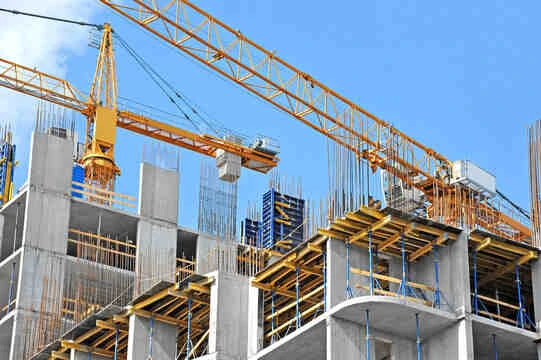
1. Sustainable Construction
Sustainability has become a driving force in the UK construction industry. The government"s commitment to achieving net-zero carbon emissions by 2050 has led to a surge in sustainable construction practices. This trend encompasses everything from the use of green materials to energy-efficient building designs and waste reduction initiatives. Companies in the UK are increasingly adopting environmentally friendly practices and green building certifications to meet these goals.
2. Modular Construction
Modular construction has gained traction as a cost-effective and time-efficient method for building in the UK. Off-site construction, where components are manufactured in a controlled environment, has several advantages, including reduced construction time, less material waste, and cost savings. The approach is particularly useful in addressing the housing shortage in the country.
3. Smart Construction
The integration of technology into construction processes has led to the rise of "smart construction." This includes the use of Building Information Modeling (BIM), Internet of Things (IoT) devices, and data analytics to improve project management, enhance safety, and optimize resource utilization. These technological advancements are transforming the way projects are planned, executed, and maintained.
4. Infrastructure Investment
The UK government has committed to a substantial investment in infrastructure, including transportation, healthcare facilities, and education. Major projects like the High-Speed 2 (HS2) railway and the expansion of Heathrow Airport have a significant impact on the construction market. This sustained investment not only provides numerous opportunities for construction companies but also contributes to economic growth and job creation.
5. Residential and Commercial Extensions
In the UK, residential and commercial extensions have become a prevalent trend. With rising property prices and the need for more space, many homeowners are opting for house extensions instead of moving. Similarly, businesses are expanding their premises to accommodate growing operations. These extensions range from loft conversions to office space additions, creating opportunities for construction companies that specialize in such projects.
6. Infrastructure Digitalization
Digitalization of infrastructure is rapidly transforming the construction sector. Projects now rely on advanced software, drones, and other technology to enhance precision, reduce errors, and improve overall efficiency. The adoption of digital tools not only streamlines the construction process but also enhances collaboration among various stakeholders.
7. Skilled Labor Shortage
Despite the opportunities in the construction market, the industry faces a critical challenge—finding and retaining skilled labor. The UK has experienced a shortage of qualified construction workers, partly due to Brexit-related issues. Addressing this shortage is crucial to sustaining growth in the industry.
Conclusion
The UK construction market is experiencing a transformation driven by sustainability, technology, and increased infrastructure investment. These trends reflect the country"s commitment to addressing its growing housing needs, environmental concerns, and economic development. To stay competitive, construction companies need to embrace these trends and continually adapt to the evolving landscape. As the construction industry continues to evolve, the UK remains a promising market for growth and innovation in the years to come.
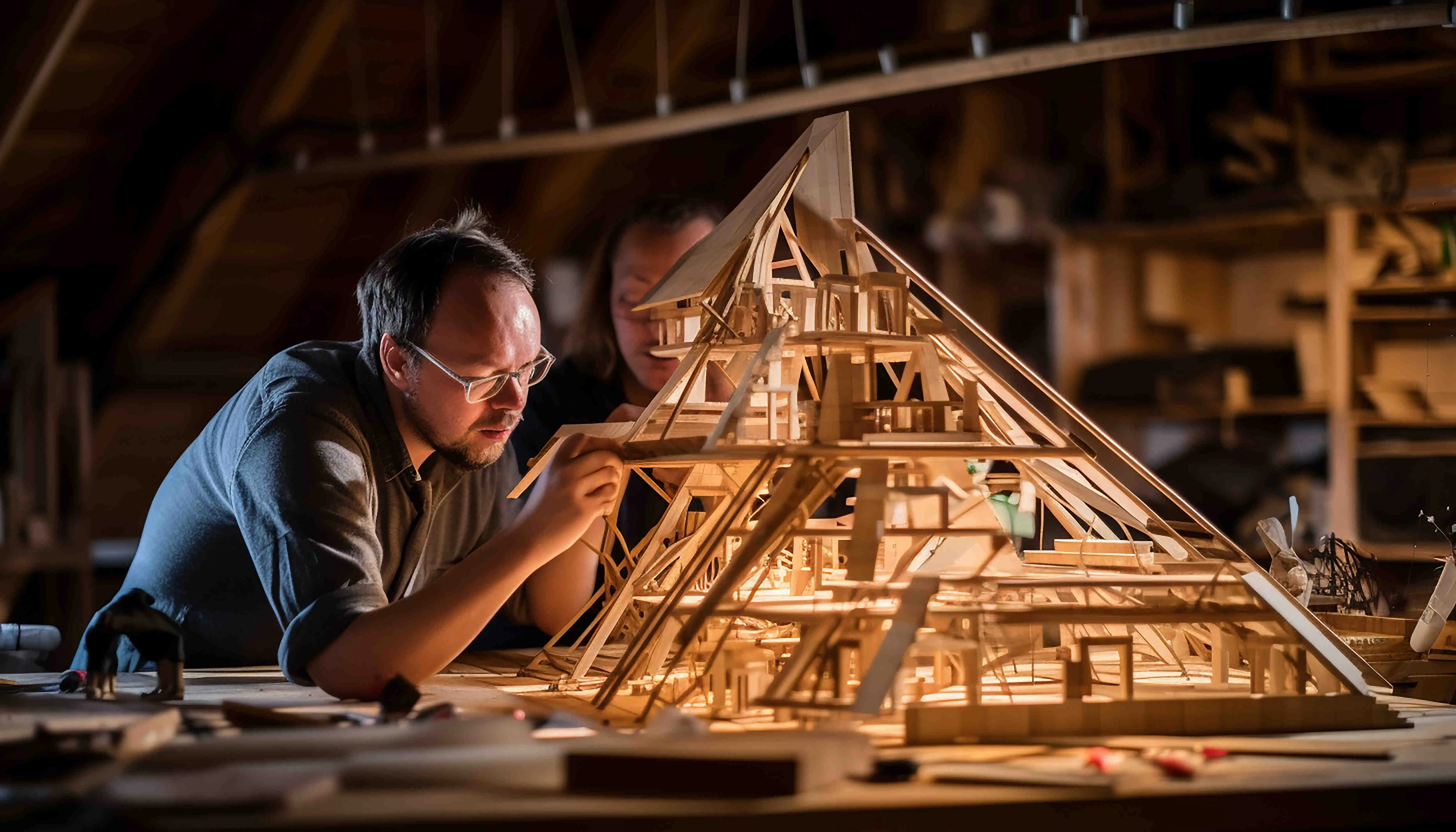
The world of carpentry is buzzing with innovations, trends, and transformative technologies. For carpenters, keeping up with these changes isn"t just about staying ahead in the game; it"s about ensuri...

In an era where technology weaves through every facet of our lives, the carpentry profession is no exception to its transformative power. Welcome to "Carpentry Chronicles," a blog series dedicated to ...

Welcome to "Carpentry Chronicles," a blog series dedicated to navigating the ever-evolving landscape of carpentry. In this edition, we dive into a trend reshaping the carpentry domain—customizat...

In the bustling world of carpentry, safety isn"t just a precaution; it"s a fundamental necessity. Welcome to "Carpentry Chronicles," a blog series committed to navigating the ever-evolving landscape o...

In carpentry, where wood meets creativity, mastery is not just a goal; it"s a journey. Welcome to "Carpentry Chronicles," a blog series that peels back the layers of carpentry to reveal the artistry a...

In the ever-evolving design landscape, where trends come and go, one element stands timeless—wood. Welcome to "Carpentry Chronicles," a blog series committed to navigating the dynamic world of c...
Sign up to start winning an unlimited amount of jobs near you.


 Electrician
Gas Engineer
Electrician
Gas Engineer


Send more enquiries and explore your options
Increasing the number of potentials leads for you!
Have more control and flexibility over your finances!