


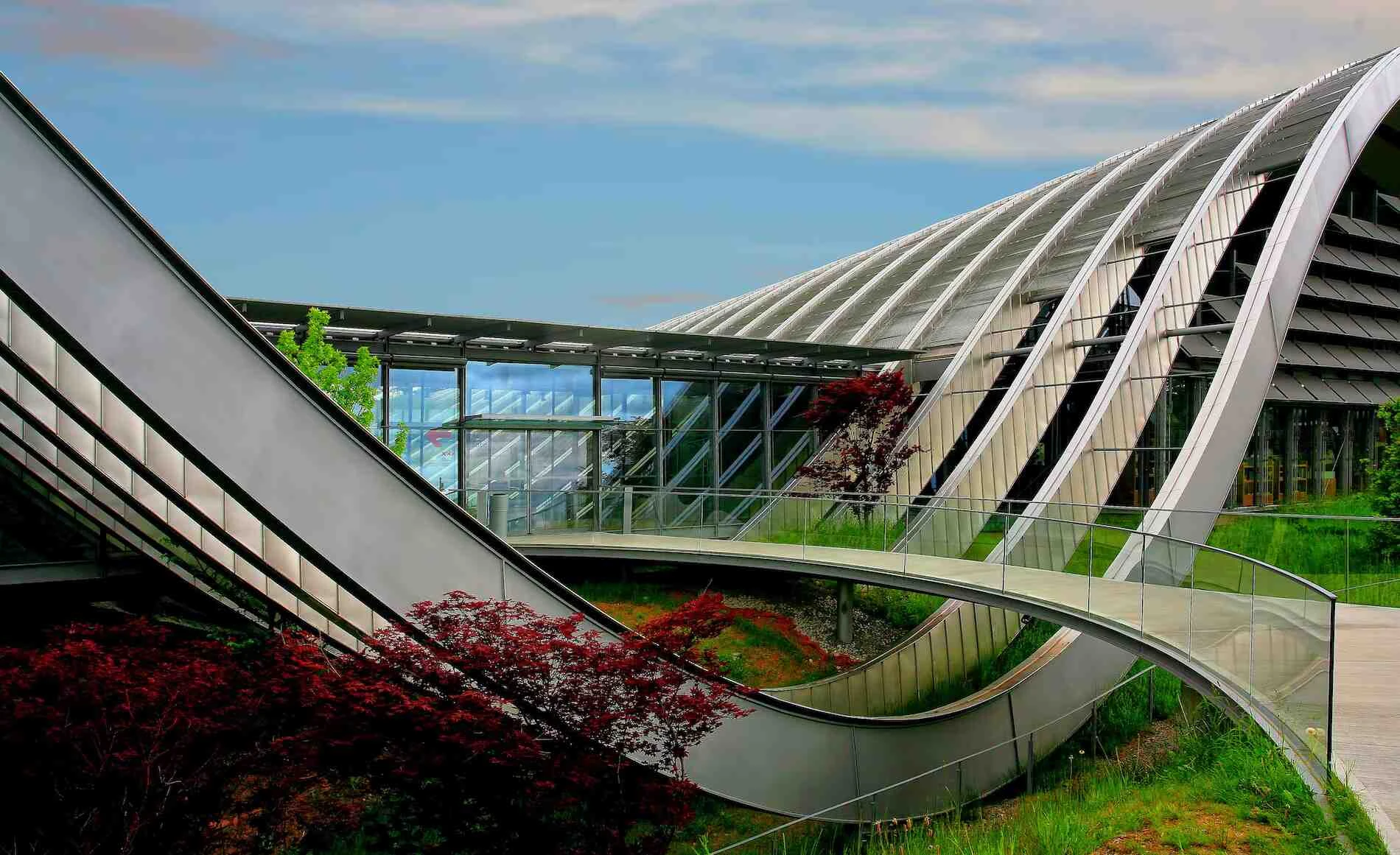
The Essence of Adaptive Reuse
Adaptive reuse, sometimes referred to as "recycling architecture," is an architectural and design philosophy that centers on reimagining and repurposing existing structures for purposes other than their original intent. Rather than demolishing old buildings and starting anew, adaptive reuse leverages the inherent character and charm of these structures to create something new and meaningful. It embodies several key principles:
1. Preservation of History: Adaptive reuse honors the historical significance of a building by preserving its architectural features, allowing it to continue to tell its story.
2. Sustainability: It is inherently sustainable, as it minimizes construction waste, reduces the demand for new resources, and often leads to energy-efficient designs.
3. Cultural Revival: Adaptive reuse often plays a pivotal role in revitalizing neighborhoods and preserving a sense of community by transforming abandoned or underutilized spaces.
4. Economic Benefits: It can be a cost-effective alternative to new construction, as existing structures already provide a foundation and framework.
5. Creative Challenge: Architects and designers are presented with a unique creative challenge to blend the old and new seamlessly.
Notable Examples of Adaptive Reuse
Tate Modern, London: The conversion of the Bankside Power Station into the Tate Modern, one of the world"s most renowned contemporary art museums, stands as a testament to the power of adaptive reuse. The iconic building"s industrial character has been preserved, creating a dynamic juxtaposition with the contemporary art it houses.
The High Line, New York City: What was once an elevated railway track is now a lush and beloved urban park in Manhattan. The High Line showcases how adaptive reuse can transform neglected infrastructure into a vibrant public space.
The Rijksmuseum, Amsterdam: The renovation and adaptive reuse of the Rijksmuseum demonstrates how historical preservation and modern functionality can coexist. The museum"s stunning 19th-century architecture provides a fitting backdrop for its world-class art collection.
The Icehotel, Sweden: Each year, the Icehotel is rebuilt from scratch using ice and snow from the Torne River. This annual transformation showcases adaptive reuse principles by reimagining the same space anew, year after year.
The Process of Adaptive Reuse
The process of adaptive reuse is a meticulous and multidisciplinary endeavor, involving architects, historians, engineers, and preservationists. It typically includes several key stages:
1. Assessment and Feasibility: The first step involves assessing the historical and structural integrity of the building. Architects must determine if the structure can be repurposed safely and effectively.
2. Design and Planning: Once feasibility is established, architects begin the design process, carefully considering how to integrate modern amenities and functionalities while preserving historical features.
3. Structural Adaptation: Structural modifications may be necessary to meet safety and building code requirements. These changes must be made thoughtfully to minimize impact on the building"s character.
4. Sustainability Considerations: Energy-efficient systems and materials are often incorporated to align with sustainable practices. This may include improving insulation, implementing renewable energy sources, or optimizing natural ventilation.
5. Restoration and Preservation: Historical elements such as facades, windows, and interior details are often painstakingly restored or refurbished to their original glory.
6. Functional Reimagining: Spaces are reimagined to suit new purposes, whether it"s transforming a factory into loft apartments, a church into a community center, or a warehouse into a creative office space.
Challenges and Considerations
While adaptive reuse holds immense promise, it"s not without its challenges:
1. Preservation vs. Innovation: Striking a balance between preserving historical integrity and embracing modern functionality can be challenging.
2. Zoning and Regulations: Navigating local zoning laws and building codes can be complex, as these often favor new construction over reuse.
3. Financial Constraints: Adaptive reuse projects can be costly, especially when addressing structural issues and historical preservation.
4. Community Engagement: Engaging with the local community is crucial, as adaptive reuse projects can significantly impact neighborhoods and their identity.
Conclusion: A Sustainable and Inspiring Future
Adaptive reuse embodies the spirit of transformation, sustainability, and cultural preservation. It allows us to honor the past while building for the future, demonstrating that even the oldest structures can find new life and relevance in our modern world. As architects continue to embrace the principles of adaptive reuse, they contribute to a more sustainable and inspiring future, one where every building has a story to tell, and history is woven into the fabric of our contemporary lives.
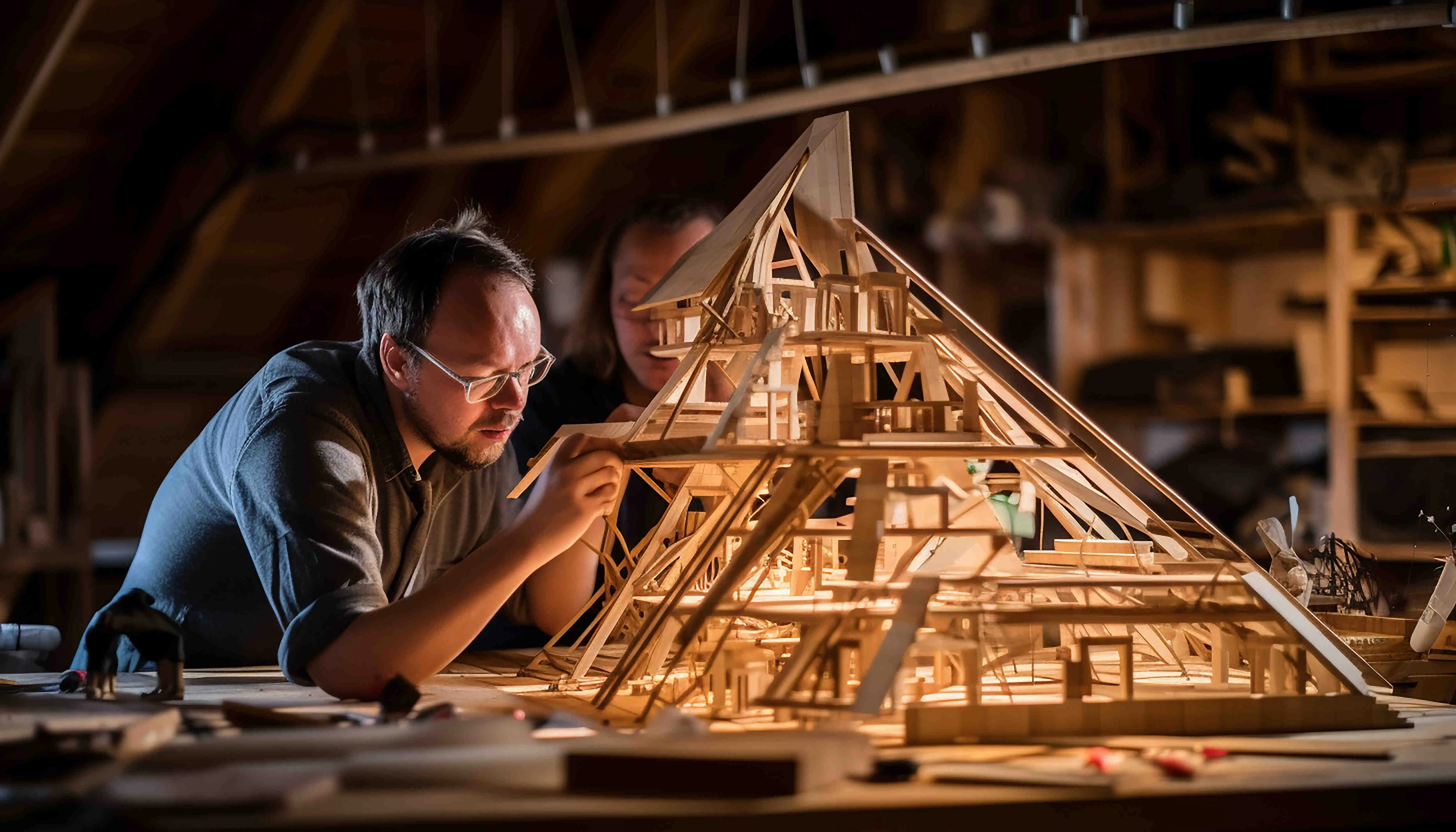
The world of carpentry is buzzing with innovations, trends, and transformative technologies. For carpenters, keeping up with these changes isn"t just about staying ahead in the game; it"s about ensuri...

In an era where technology weaves through every facet of our lives, the carpentry profession is no exception to its transformative power. Welcome to "Carpentry Chronicles," a blog series dedicated to ...

Welcome to "Carpentry Chronicles," a blog series dedicated to navigating the ever-evolving landscape of carpentry. In this edition, we dive into a trend reshaping the carpentry domain—customizat...

In the bustling world of carpentry, safety isn"t just a precaution; it"s a fundamental necessity. Welcome to "Carpentry Chronicles," a blog series committed to navigating the ever-evolving landscape o...

In carpentry, where wood meets creativity, mastery is not just a goal; it"s a journey. Welcome to "Carpentry Chronicles," a blog series that peels back the layers of carpentry to reveal the artistry a...
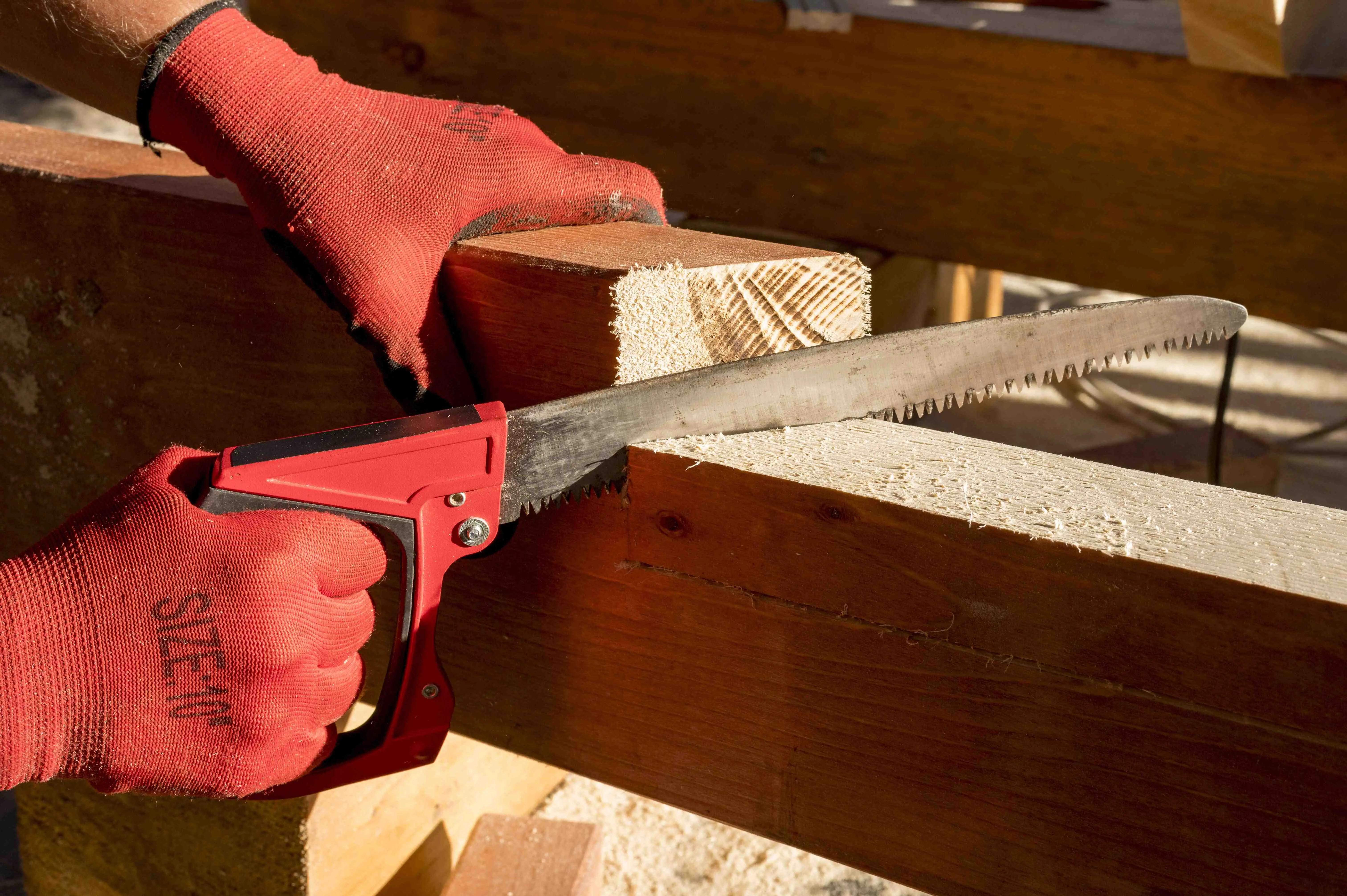
In the ever-evolving design landscape, where trends come and go, one element stands timeless—wood. Welcome to "Carpentry Chronicles," a blog series committed to navigating the dynamic world of c...
Sign up to start winning an unlimited amount of jobs near you.


 Electrician
Gas Engineer
Electrician
Gas Engineer


Send more enquiries and explore your options
Increasing the number of potentials leads for you!
Have more control and flexibility over your finances!