



**Chapter 1: A Brief History of Topiary**
Topiary art has a rich history dating back to the Roman Empire. The word "topiarius" referred to a gardener specifically trained to trim and shape plants. It gained prominence in Renaissance Europe, where it became a symbol of wealth and power. Today, topiary has evolved from elaborate royal gardens to become accessible to gardeners and artists alike.
**Chapter 2: Choosing the Right Plants**
Selecting the right plant is crucial for topiary success. Ideal plants are those with small leaves and dense growth patterns, making them easier to shape and maintain. Some common choices include boxwood, yew, holly, and rosemary. The choice of plant often depends on your climate and the desired shape.
**Chapter 3: Tools and Techniques**
To craft topiary art, you"ll need the appropriate tools and techniques:
- **Pruning Shears:** A good pair of sharp pruning shears is essential for precision trimming.
- **Frames:** Wire or wooden frames provide a guide for shaping the plants. They come in various designs to create specific forms like animals, geometric shapes, or abstract art.
- **Patience:** Patience is key when creating topiary. Slow, deliberate trimming helps achieve the desired shape.
**Chapter 4: Shaping and Sculpting**
The art of topiary involves two main techniques: clipping and sculpting. Clipping involves shaping the plant by trimming it to form a specific design. Sculpting, on the other hand, involves training the plant to grow in a particular way by tying or bending branches. For intricate shapes, you might use a combination of both techniques.
**Chapter 5: Maintenance and Care**
Proper maintenance is essential for preserving your topiary art. Regularly prune your plants to maintain their shape, and provide adequate water and nutrients. Be vigilant for pests and diseases, as they can quickly damage your carefully crafted creations.
**Chapter 6: Popular Topiary Styles**
There"s no limit to the creativity that can be expressed through topiary art. Some popular styles include:
- **Spirals:** Spirals are one of the most common and visually striking topiary designs.
- **Animals:** Sculpting plants into animals or birds is a fun and whimsical choice.
- **Geometric Shapes:** Create precise shapes like cones, spheres, or cubes for a more structured look.
- **Abstract Art:** Let your imagination run wild with abstract and free-form designs.
**Chapter 7: Expert Tips**
- **Plan Ahead:** Before you start, have a clear vision of your design.
- **Start Small:** If you"re new to topiary, begin with simple shapes and gradually work your way up to more intricate designs.
- **Observe and Learn:** Visit botanical gardens and topiary parks to get inspiration and observe the work of expert topiary artists.
- **Experiment:** Don"t be afraid to experiment with different plants, shapes, and styles to find your unique artistic voice.
**Chapter 8: A Growing Community**
The art of topiary is enjoying a resurgence in popularity. Many gardeners, both amateur and professional, are embracing this artistic form, and there"s a growing community of topiary enthusiasts who share tips, techniques, and their beautiful creations online and in local clubs and societies.
Conclusion
Topiary is a fascinating fusion of horticulture and art that allows you to craft living sculptures that can transform your garden into an enchanting paradise. It"s an art form that encourages creativity and patience, and the results are truly unique and breathtaking. Whether you"re inspired to create a classic spiral or an abstract masterpiece, topiary opens up a world of possibilities to unleash your imagination and create living art from greenery. So, pick up your shears and start sculpting your own botanical masterpieces today.
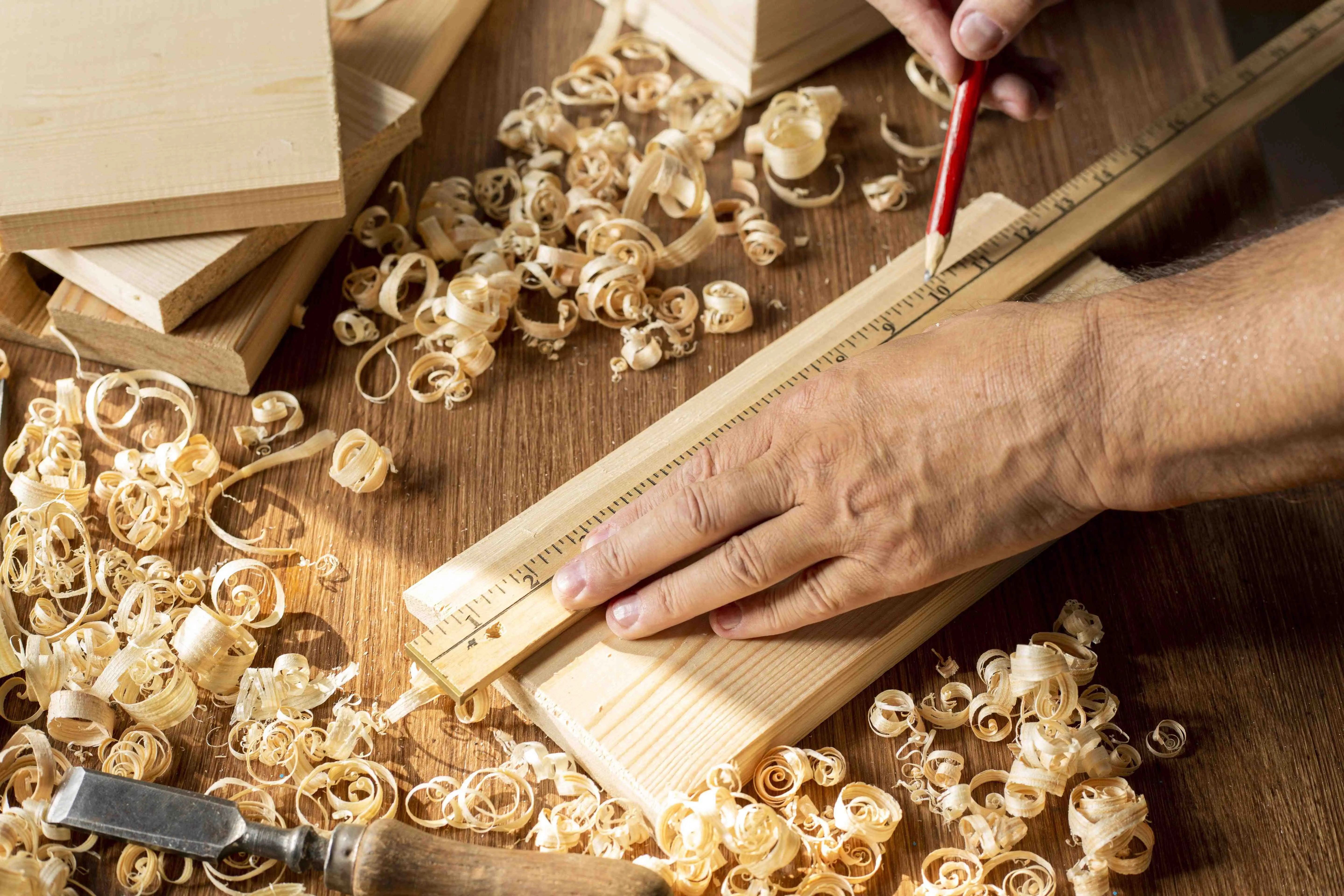
Introduction: In carpentry, time is money, and workflow is the pulse that keeps the business alive. Yet, many carpenters need help with a disjointed workflow, stifling efficiency and sapping the joy o...
.webp)
Introduction: Carpentry more than just a trade, is an art form. The journey to mastery involves constantly honing one"s skills, a voyage where every chisel stroke and nail-driven shapes not just ...

In the world of woodworking, every piece of timber tells a story - a tale of craftsmanship, dedication, and wisdom. For aspiring woodworkers and seasoned artisans alike, this blog is a collection of T...

In the world of woodworking, every piece crafted is a note in the symphony of a carpenter"s career. Yet, to compose a melodious tune, one must prioritize the conductor - their health and longevity. Th...
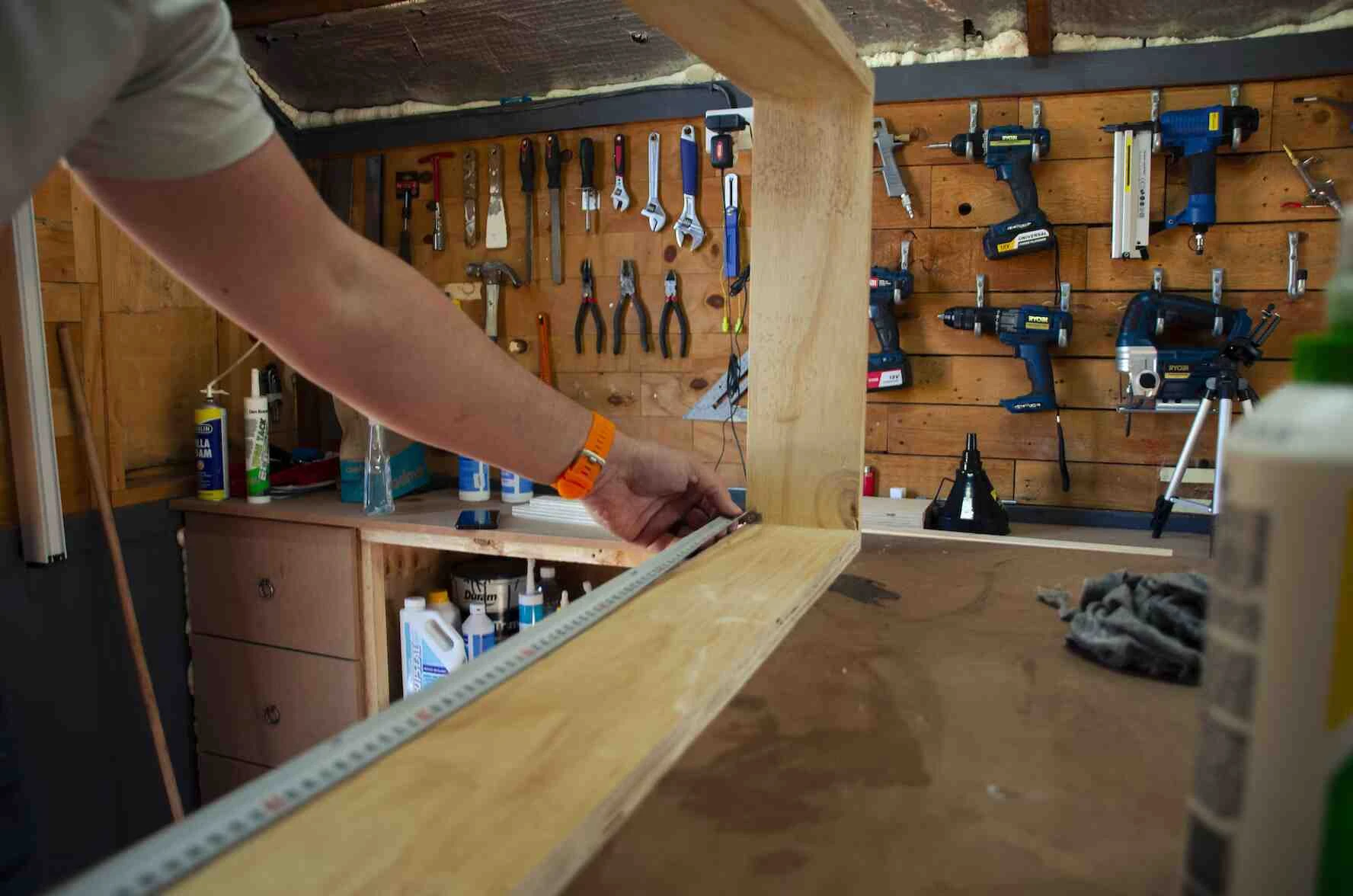
In carpentry, precision isn"t just about chiselling wood; it"s about chiselling a successful business. Financial stability and growth are the building blocks of a carpentry enterprise. Welcome to "Cra...

In the world of woodworking, creating something beautiful is not just an art—it"s a responsibility. A responsibility towards the craft, the client, and most importantly, the safety and well-bein...
Sign up to start winning an unlimited amount of jobs near you.


 Electrician
Gas Engineer
Electrician
Gas Engineer


Send more enquiries and explore your options
Increasing the number of potentials leads for you!
Have more control and flexibility over your finances!