


1. **Choosing Sustainable Materials**
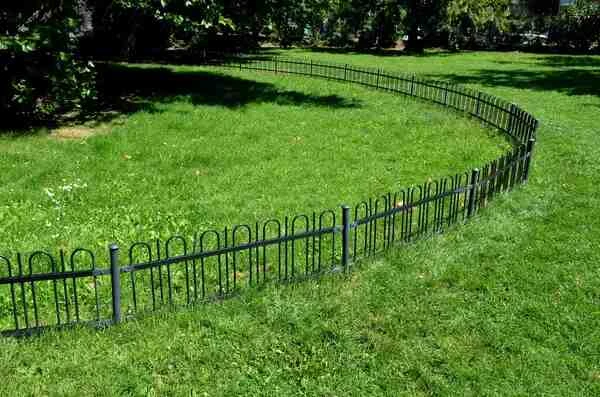
Sustainable fencing begins with the choice of materials. Traditional wooden fences, while attractive, can be less environmentally friendly due to deforestation and their susceptibility to rot. Sustainable alternatives include:
- **Bamboo**: Known for its rapid growth and renewability, bamboo is an excellent eco-friendly fencing option. It"s strong, durable, and aesthetically pleasing.
- **Recycled Materials**: Fences made from recycled plastic or composite materials are both eco-friendly and long-lasting.
- **Cedar or Redwood**: These natural woods are durable and naturally resistant to decay and insects, making them a more sustainable choice when sourced responsibly.
2. **Innovative Construction Techniques**
Sustainable fencing isn"t just about the material; it"s also about how the fence is constructed. Modern construction techniques focus on minimizing waste, energy consumption, and the overall environmental impact. Consider the following practices:
- **Modular Fencing Systems**: Modular fence systems are designed for easy installation and disassembly, reducing waste during both installation and maintenance.
- **Low-Impact Installation**: Minimize the environmental footprint during fence installation. This includes using hand tools or electric equipment over gas-powered ones.
- **Post-Consumer Recycled Materials**: Some fencing systems use post-consumer recycled materials, diverting waste from landfills and reducing the need for new resources.
3. **Eco-Friendly Finishes**
To protect your fence and maintain its appearance, applying finishes is often necessary. However, not all finishes are environmentally friendly. Opt for eco-friendly finish options:
- **Water-Based Stains**: Traditional oil-based stains can contain harmful chemicals. Water-based stains are more eco-friendly and provide a similar level of protection.
- **Biodegradable Sealants**: Some sealants are designed to break down naturally over time, reducing their environmental impact.
4. **Maintenance and Longevity**
The sustainability of a fence extends to its longevity. A fence that needs frequent repairs or replacement is not environmentally responsible. Proper maintenance can significantly extend a fence"s life, reducing the need for replacement. Maintenance tips include:
- Regular cleaning to prevent mold and rot.
- Prompt repair of damaged sections to prevent further deterioration.
- Reapplying eco-friendly finishes as needed.
5. **Biodiversity Considerations**
Sustainable fencing should also consider the impact on local biodiversity. Some fences can act as barriers to wildlife movement, affecting animal populations. Fence designs that incorporate gaps or pathways for wildlife can help mitigate this issue.
6. **End-of-Life Considerations**
When the time comes to replace or dispose of your fence, consider recycling or repurposing the materials. Many materials used in sustainable fencing are recyclable or can be used in other construction projects.
Conclusion
The science of sustainable fencing combines the principles of eco-conscious material choices, innovative construction techniques, and responsible maintenance. By selecting the right materials, adopting low-impact construction practices, using eco-friendly finishes, and ensuring proper maintenance, you can enjoy a beautiful and durable fence while minimizing its environmental impact. Sustainable fencing not only benefits your property but also contributes to a greener and more eco-friendly world. As the demand for sustainable solutions continues to grow, it"s important to stay informed about the latest developments in eco-friendly fencing materials and practices.
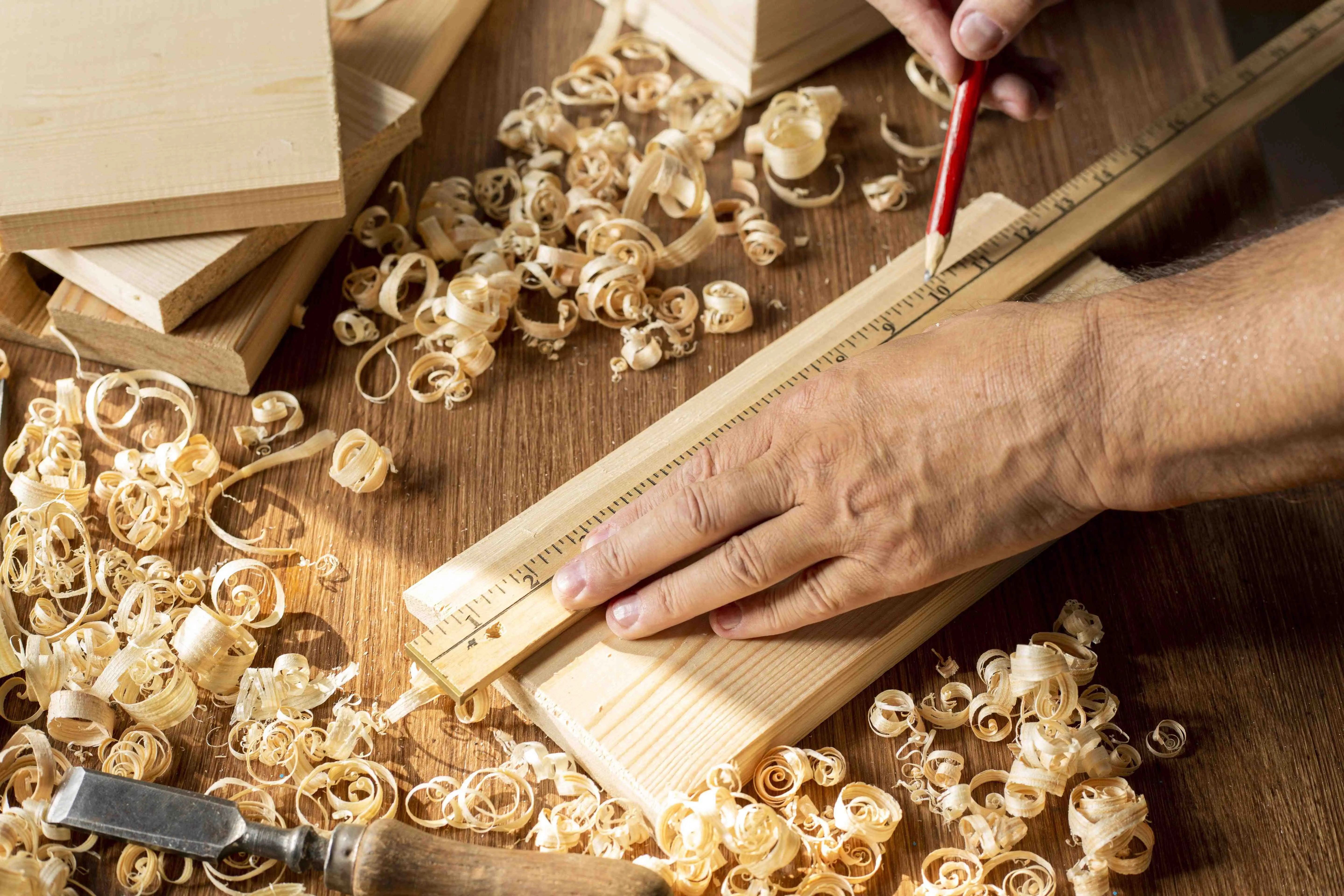
Introduction: In carpentry, time is money, and workflow is the pulse that keeps the business alive. Yet, many carpenters need help with a disjointed workflow, stifling efficiency and sapping the joy o...
.webp)
Introduction: Carpentry more than just a trade, is an art form. The journey to mastery involves constantly honing one"s skills, a voyage where every chisel stroke and nail-driven shapes not just ...
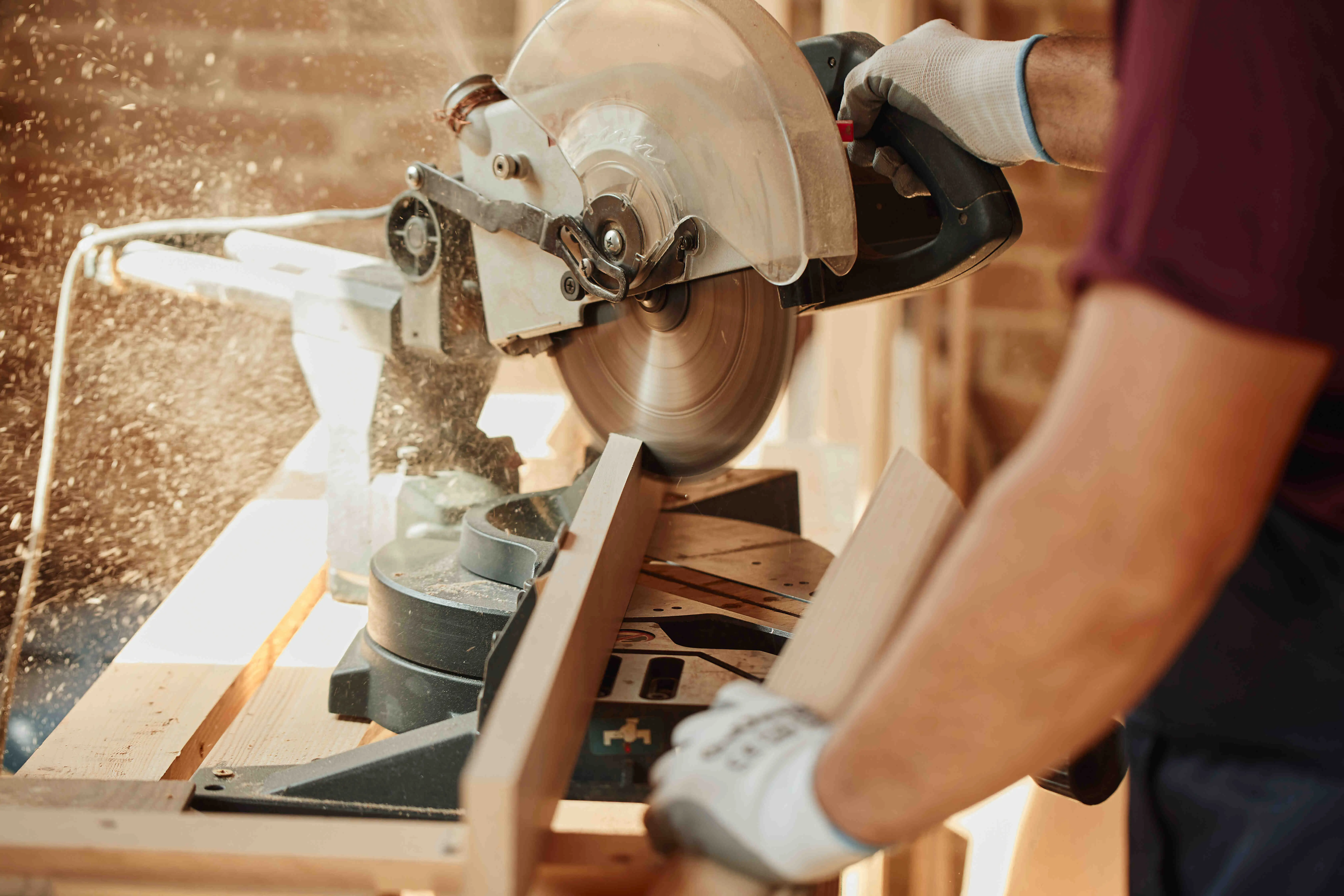
In the world of woodworking, every piece of timber tells a story - a tale of craftsmanship, dedication, and wisdom. For aspiring woodworkers and seasoned artisans alike, this blog is a collection of T...
In the world of woodworking, every piece crafted is a note in the symphony of a carpenter"s career. Yet, to compose a melodious tune, one must prioritize the conductor - their health and longevity. Th...
In carpentry, precision isn"t just about chiselling wood; it"s about chiselling a successful business. Financial stability and growth are the building blocks of a carpentry enterprise. Welcome to "Cra...

In the world of woodworking, creating something beautiful is not just an art—it"s a responsibility. A responsibility towards the craft, the client, and most importantly, the safety and well-bein...
Sign up to start winning an unlimited amount of jobs near you.


 Electrician
Gas Engineer
Electrician
Gas Engineer


Send more enquiries and explore your options
Increasing the number of potentials leads for you!
Have more control and flexibility over your finances!