


1. Understanding the Role of the Base
The base serves as the foundation upon which your pavement rests. Its primary function is to distribute the weight of the load evenly across the underlying soil, preventing settlement, cracks, and other structural issues. Proper base preparation is like building a strong skeleton for your pavement, providing stability and durability.
2. Soil Assessment
One of the first steps in base preparation is assessing the soil"s composition and load-bearing capacity. Different soil types have varying abilities to support weight and moisture management. Engineers often conduct soil tests to determine the appropriate base construction method.
- **Clay soils** retain water and can expand and contract, potentially causing cracks. Adequate drainage and proper compaction are essential.
- **Sandy soils** drain quickly but may require additional stabilization to prevent erosion.
- **Loamy soils** are a balance between clay and sand and are generally well-suited for base preparation with the right compaction and drainage measures.
3. Compaction
Compaction is a key step in base preparation, and it involves mechanically compressing the soil to increase its density and load-bearing capacity. This reduces the chances of settling and movement over time. Compaction equipment, such as plate compactors or vibratory rollers, is used to achieve the desired level of compaction.
4. Proper Grading
Grading involves shaping the base to ensure proper water drainage away from the paved surface. Improper grading can lead to water pooling, erosion, and damage to the pavement. The science of grading considers factors like slope, surface runoff, and the desired pitch for efficient water flow.
5. Adding Base Material
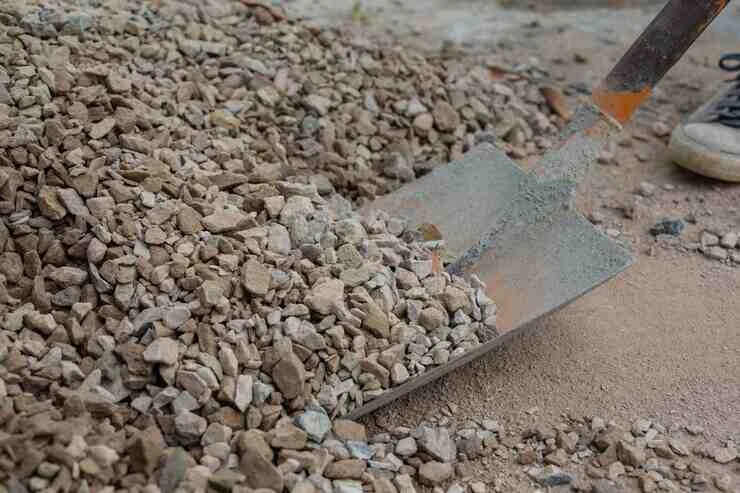
In many cases, adding a layer of base material is essential for achieving a stable foundation. This material, often composed of crushed stone or gravel, further reinforces the base"s load-bearing capacity and aids in drainage. The type and thickness of the base material depend on the specific project requirements and soil conditions.
6. Geotextile Fabric
For particularly challenging soil conditions, geotextile fabric can be incorporated into the base preparation process. This fabric helps distribute loads evenly, improves drainage, and prevents the mixing of base materials with the underlying soil.
7. Proper Moisture Control
Controlling moisture within the base is crucial. Excessive moisture can weaken the base, while insufficient moisture can impede compaction. Balancing moisture levels during the base preparation process is a science in itself, ensuring optimal conditions for compaction and stability.
8. Climate Considerations
The local climate can significantly impact base preparation. Freeze-thaw cycles, for example, can lead to ground movement, making proper base preparation even more critical. Understanding the science of how climate affects soil and pavement is vital for long-term durability.
Conclusion
The science of proper base preparation is a fundamental aspect of any successful paving project. By understanding soil composition, compaction techniques, grading principles, and the impact of climate, you can create a stable and durable foundation for your pavement. Skipping or neglecting proper base preparation may lead to costly repairs and maintenance down the road. Therefore, investing in the science of base preparation is an essential step towards achieving a long-lasting and reliable paved surface for your property.

Introduction: In carpentry, time is money, and workflow is the pulse that keeps the business alive. Yet, many carpenters need help with a disjointed workflow, stifling efficiency and sapping the joy o...
.webp)
Introduction: Carpentry more than just a trade, is an art form. The journey to mastery involves constantly honing one"s skills, a voyage where every chisel stroke and nail-driven shapes not just ...

In the world of woodworking, every piece of timber tells a story - a tale of craftsmanship, dedication, and wisdom. For aspiring woodworkers and seasoned artisans alike, this blog is a collection of T...

In the world of woodworking, every piece crafted is a note in the symphony of a carpenter"s career. Yet, to compose a melodious tune, one must prioritize the conductor - their health and longevity. Th...
In carpentry, precision isn"t just about chiselling wood; it"s about chiselling a successful business. Financial stability and growth are the building blocks of a carpentry enterprise. Welcome to "Cra...

In the world of woodworking, creating something beautiful is not just an art—it"s a responsibility. A responsibility towards the craft, the client, and most importantly, the safety and well-bein...
Sign up to start winning an unlimited amount of jobs near you.


 Electrician
Gas Engineer
Electrician
Gas Engineer


Send more enquiries and explore your options
Increasing the number of potentials leads for you!
Have more control and flexibility over your finances!