


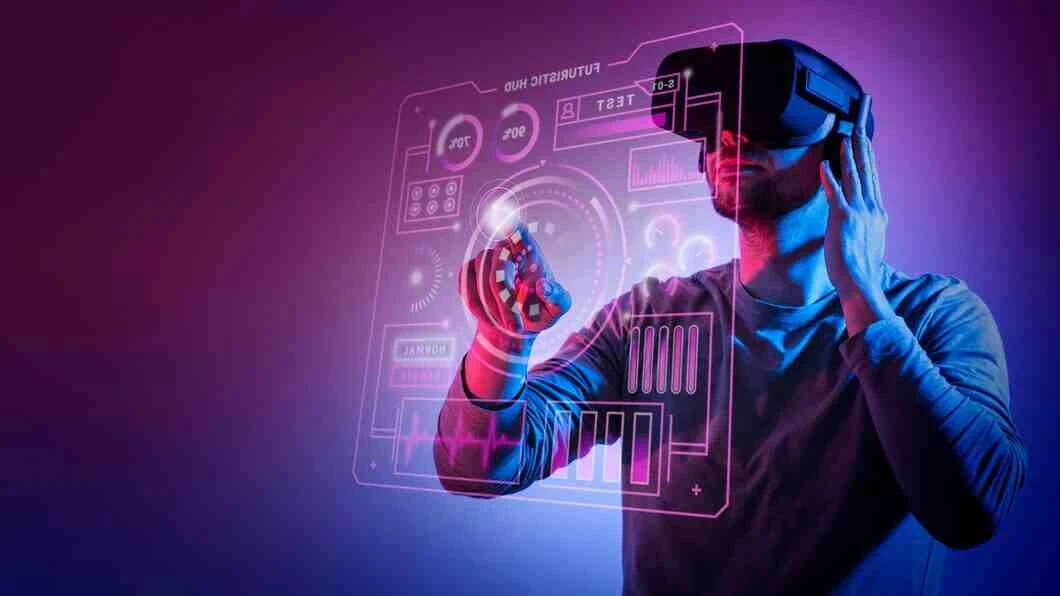
In the dynamic realm of architecture, technology stands as the transformative force reshaping the way we conceive, create, and construct the world around us. This blog delves into the pivotal role of technology in modern architecture, with a spotlight on cutting-edge innovations such as Building Information Modeling (BIM), 3D printing, and virtual reality (VR). Discover how these technological marvels are revolutionizing architectural design, enabling architects to push the boundaries of creativity, sustainability, and functionality. From streamlining workflows to enhancing visualization, join us on a journey into the digital landscape where architects are crafting a more innovative, efficient, and sustainable built environment. This blog post explores the pivotal role of technology in modern architecture, with a particular focus on cutting-edge technologies like Building Information Modeling (BIM), 3D printing, and virtual reality (VR), and how these tools are revolutionizing the architectural industry.
Architecture has undergone a profound digital transformation, embracing a range of innovative technologies that have redefined the design and construction process. Here"s a closer look at some of these game-changing technologies:
Building Information Modeling (BIM) is a digital representation of a building"s physical and functional characteristics. BIM goes beyond traditional 2D drawings by creating a three-dimensional model that includes information about materials, geometry, spatial relationships, and more. Here"s how BIM is transforming architecture:
3D printing, also known as additive manufacturing, has gained prominence in the architectural field for its ability to bring complex designs to life with precision and efficiency. Here"s how 3D printing is revolutionizing architecture:
Virtual Reality (VR) has emerged as a powerful tool for architectural visualization and immersive design experiences. Architects can use VR to step inside their designs, making decisions based on how spaces feel and function before construction begins. Here"s how VR is transforming architectural design:
The adoption of BIM, 3D printing, and VR technologies has far-reaching implications for architectural practice:
Technology streamlines architectural workflows, reducing redundant tasks and improving efficiency. BIM, for example, facilitates better coordination among project teams and automates tasks like documentation and quantity take-offs.
Technology supports sustainable design by providing tools to analyze energy performance, daylighting, and environmental impact. Architects can optimize designs for energy efficiency, reducing a building"s carbon footprint.
Visualization tools like 3D printing and VR empower architects to communicate design concepts more effectively to clients, contractors, and other stakeholders. This leads to better-informed decisions and greater design fidelity.
The use of technology in design and construction helps control costs by providing accurate budgeting, reducing errors, and minimizing rework. This benefits both architects and clients.
Collaboration has never been easier or more efficient thanks to technology. BIM platforms provide a central repository for project data, and VR facilitates real-time design reviews and client interactions, even across long distances.
As technology continues to evolve, architects can expect further innovations that will impact their practice:
AI-driven design optimization and generative design tools will assist architects in creating more efficient and sustainable buildings.
AR overlays digital information onto the real world, allowing architects to view design data and annotations in the context of the physical environment.
Advancements in sustainable materials and fabrication techniques, including automated construction processes, will enable architects to push the boundaries of eco-friendly design.
The integration of technology, particularly BIM, 3D printing, and VR, has transformed modern architecture by enhancing collaboration, improving efficiency, and enabling innovative design solutions. Architects today are equipped with powerful digital tools that allow them to visualize, analyze, and optimize their designs in ways that were once unimaginable.
As technology continues to advance, architects must stay at the forefront of these developments to remain competitive and address the evolving needs of clients and the environment. The role of technology in modern architecture is not just about digital tools; it"s about unlocking new possibilities and pushing the boundaries of architectural creativity, sustainability, and functionality. Architects who embrace these technological advancements are poised to shape a future where buildings are not only aesthetically inspiring but also more sustainable, efficient, and responsive to the evolving challenges of our world.

Introduction: In carpentry, time is money, and workflow is the pulse that keeps the business alive. Yet, many carpenters need help with a disjointed workflow, stifling efficiency and sapping the joy o...
.webp)
Introduction: Carpentry more than just a trade, is an art form. The journey to mastery involves constantly honing one"s skills, a voyage where every chisel stroke and nail-driven shapes not just ...
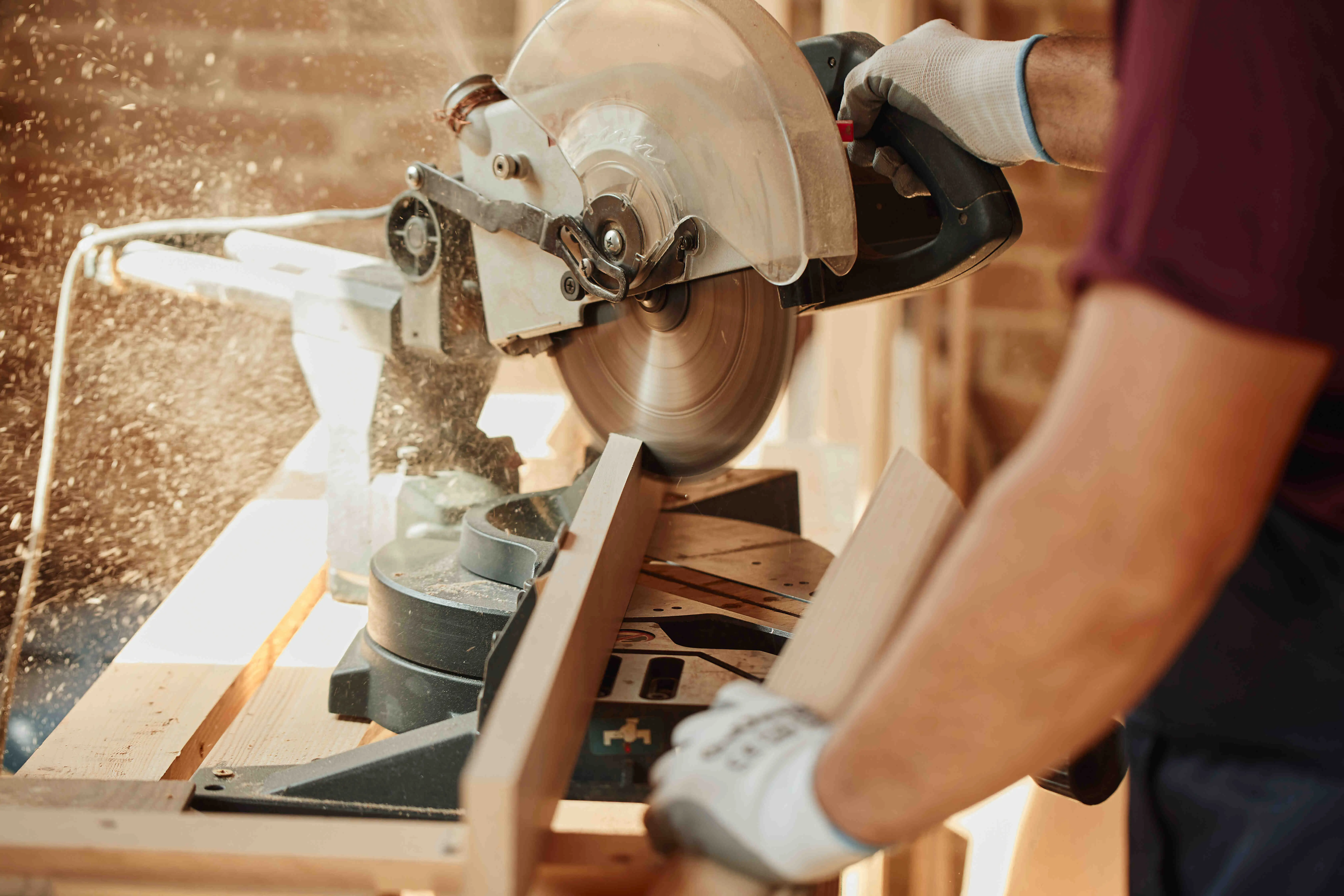
In the world of woodworking, every piece of timber tells a story - a tale of craftsmanship, dedication, and wisdom. For aspiring woodworkers and seasoned artisans alike, this blog is a collection of T...

In the world of woodworking, every piece crafted is a note in the symphony of a carpenter"s career. Yet, to compose a melodious tune, one must prioritize the conductor - their health and longevity. Th...
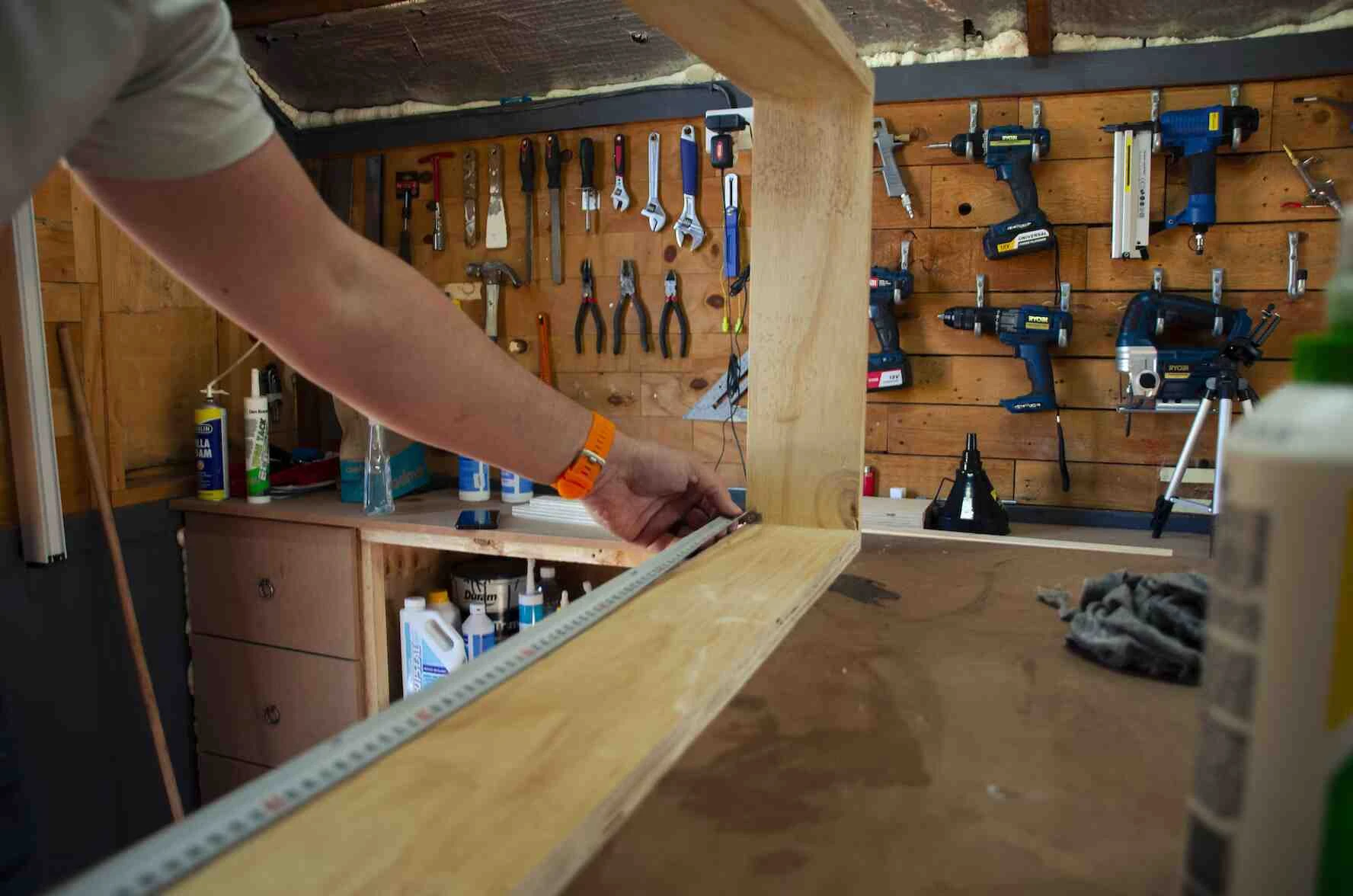
In carpentry, precision isn"t just about chiselling wood; it"s about chiselling a successful business. Financial stability and growth are the building blocks of a carpentry enterprise. Welcome to "Cra...

In the world of woodworking, creating something beautiful is not just an art—it"s a responsibility. A responsibility towards the craft, the client, and most importantly, the safety and well-bein...
Sign up to start winning an unlimited amount of jobs near you.


 Electrician
Gas Engineer
Electrician
Gas Engineer


Send more enquiries and explore your options
Increasing the number of potentials leads for you!
Have more control and flexibility over your finances!