


Key Responsibilities:
1. Site Preparation:
- Excavation and Grading: Groundworkers are responsible for excavating and grading the construction site to the required levels and specifications.
- Clearing Debris: Clearing the site of any debris, vegetation, or obstacles that may hinder construction activities.
2. Foundation Work:
- Trenching: Digging trenches for foundations, utilities, or drainage systems.
- Setting Foundations: Assisting in the setting and construction of foundations, ensuring they meet engineering and safety standards.
3. Drainage Systems:
- Installation of Drainage: Installing drainage systems to manage surface water and prevent issues like flooding or soil erosion.
- Sewer and Pipe Work: Laying pipes for sewage systems, stormwater drains, and utilities.
4. Concrete Work:
- Concrete Pouring: Assisting in the pouring and finishing of concrete for foundations, slabs, and other structural elements.
- Formwork Construction: Building formwork for concrete structures, ensuring accuracy in dimensions and alignment.
5. Utility Installation:
- Utility Trenches: Digging trenches for the installation of utility lines, such as water, gas, and electricity.
- Manhole Construction: Building manholes and access points for utility maintenance.
6. Landscaping:
- Soft Landscaping: Incorporating soft landscaping elements, such as topsoil and turf, to enhance the aesthetics of the project.
- Hard Landscaping: Installing features like pavements, driveways, and retaining walls.
7. Site Safety:
- Trench Safety: Ensuring safety in trenching activities by implementing proper shoring, sloping, or trench box systems.
- Equipment Safety: Operating and maintaining machinery and equipment in accordance with safety regulations.
Key Skills:
1. Technical Competence:
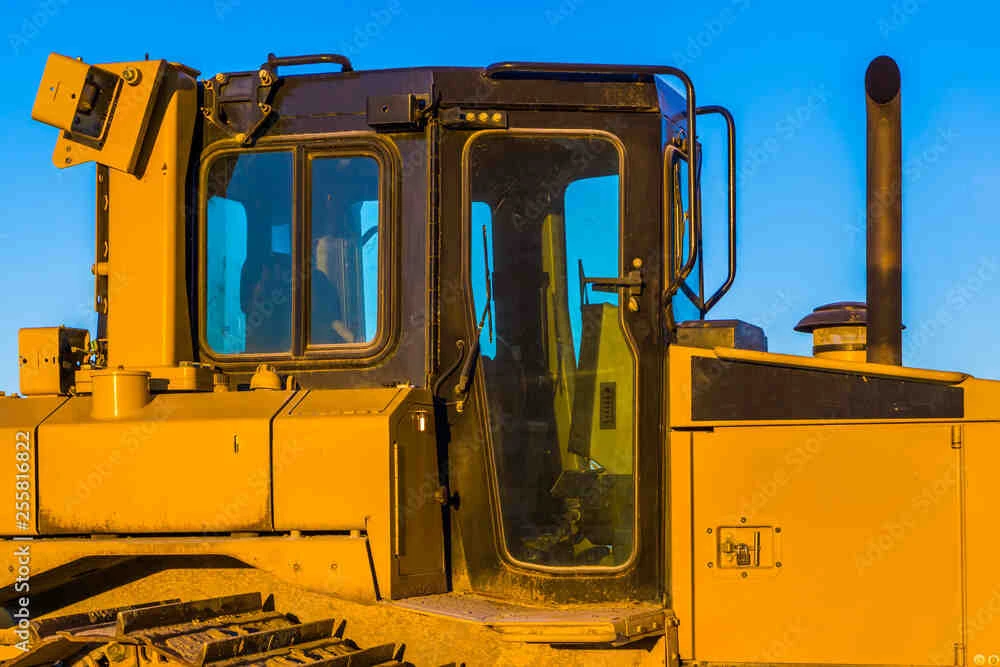
- Equipment Operation: Proficiency in operating heavy machinery such as excavators, compactors, and bulldozers.
- Surveying: Basic understanding of surveying techniques for accurate measurements and leveling.
2. Construction Knowledge:
- Understanding Plans: Ability to interpret and work from construction plans and blueprints.
- Material Knowledge: Familiarity with various construction materials and their appropriate uses.
3. Teamwork and Communication:
- Collaboration: Effective collaboration with other construction professionals, including architects, engineers, and fellow workers.
- Communication: Clear communication with team members to ensure tasks are executed accurately.
4. Problem Solving:
- Critical Thinking: Ability to think critically and solve problems that may arise during the course of the project.
- Adaptability: Being flexible and adaptable to changes in project plans or unexpected challenges.
5. Safety Awareness:
- Safety Protocols: Strict adherence to safety protocols to mitigate risks and ensure a secure working environment.
- First Aid Knowledge: Basic knowledge of first aid procedures in case of emergencies.
6. Physical Fitness:
- Endurance: Groundwork often involves physical labor, so maintaining good physical fitness and endurance is essential.
- Manual Dexterity: Precision work, such as using tools and handling materials, requires good manual dexterity.
7. Attention to Detail:
- Accuracy: Precision in measurements, leveling, and other tasks requires a keen attention to detail.
- Quality Control: Monitoring and ensuring the quality of work at each stage of the project.
8. Time Management:
- Efficiency: Completing tasks within set timelines, contributing to the overall progress of the construction project.
Conclusion:
The role of a groundworker is multifaceted, requiring a combination of technical skills, construction knowledge, and a commitment to safety. Groundworkers are the foundation of successful construction projects, ensuring that the groundwork is laid meticulously for the structures that follow. Aspiring groundworkers and those already in the field should continuously develop their skills, stay abreast of industry advancements, and approach their work with dedication and precision. In doing so, they contribute significantly to the built environment and the success of construction endeavors.

Introduction: In carpentry, time is money, and workflow is the pulse that keeps the business alive. Yet, many carpenters need help with a disjointed workflow, stifling efficiency and sapping the joy o...
.webp)
Introduction: Carpentry more than just a trade, is an art form. The journey to mastery involves constantly honing one"s skills, a voyage where every chisel stroke and nail-driven shapes not just ...

In the world of woodworking, every piece of timber tells a story - a tale of craftsmanship, dedication, and wisdom. For aspiring woodworkers and seasoned artisans alike, this blog is a collection of T...

In the world of woodworking, every piece crafted is a note in the symphony of a carpenter"s career. Yet, to compose a melodious tune, one must prioritize the conductor - their health and longevity. Th...
In carpentry, precision isn"t just about chiselling wood; it"s about chiselling a successful business. Financial stability and growth are the building blocks of a carpentry enterprise. Welcome to "Cra...

In the world of woodworking, creating something beautiful is not just an art—it"s a responsibility. A responsibility towards the craft, the client, and most importantly, the safety and well-bein...
Sign up to start winning an unlimited amount of jobs near you.


 Electrician
Gas Engineer
Electrician
Gas Engineer


Send more enquiries and explore your options
Increasing the number of potentials leads for you!
Have more control and flexibility over your finances!