


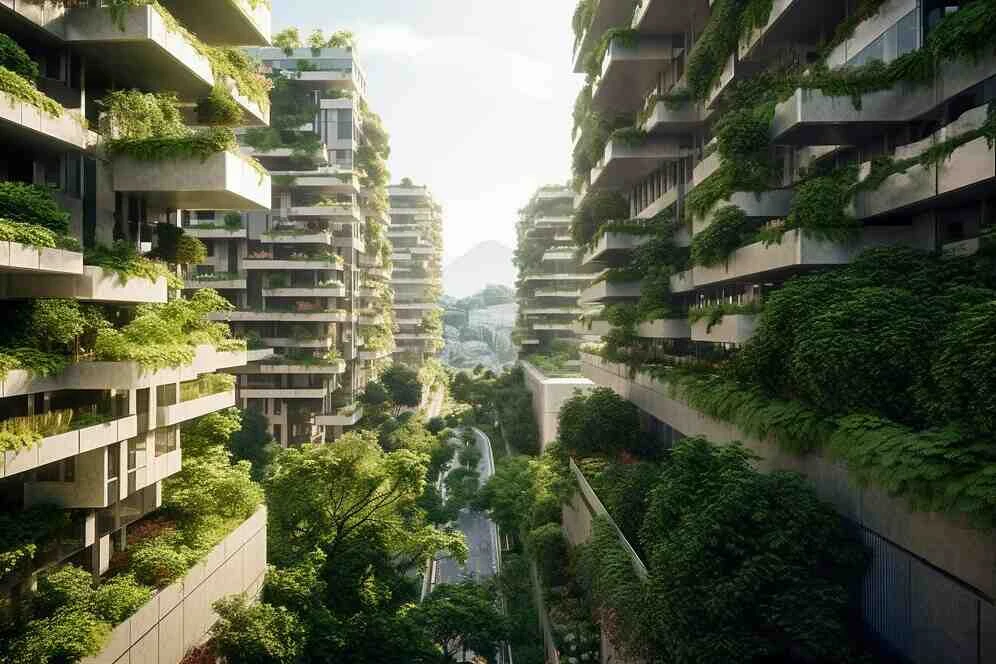
The Essence of Sustainable Architecture
Before diving into the latest developments, let"s grasp the essence of sustainable architecture. At its core, sustainable architecture is about designing and constructing buildings that have a minimal negative impact on the environment while simultaneously enhancing the well-being of their occupants. This approach involves a holistic perspective that encompasses various facets:
Energy Efficiency: Sustainable buildings aim to minimize energy consumption. They often incorporate innovative technologies like solar panels, wind turbines, and energy-efficient lighting to reduce reliance on fossil fuels.
Resource Conservation: Sustainability also means using materials wisely. Sustainable architects prioritize environmentally friendly materials that reduce waste and pollution during construction.
Integration with Nature: Sustainable design seeks to harmonize with the natural environment, preserving ecosystems, and promoting biodiversity. This often involves landscaping and green roof initiatives.
User Well-being: Sustainability extends beyond the environment. It encompasses the well-being of building occupants, offering features like improved indoor air quality, ample natural light, and spaces that promote health and productivity.
The Green Building Materials Revolution

One of the most critical aspects of sustainable architecture is the use of green building materials. These materials are environmentally responsible throughout their entire life cycle, from production and use to disposal or recycling. Some of the latest developments in green building materials include:
1. Sustainable Wood Products: Timber has made a comeback in construction, with engineered wood products like cross-laminated timber (CLT) gaining popularity. These materials are not only renewable but also energy-efficient.
2. High-Performance Insulation: Innovations in insulation materials have led to products with superior thermal resistance, reducing the energy needed for heating and cooling.
3. Recycled and Reclaimed Materials: Architects are increasingly using recycled and reclaimed materials like reclaimed wood, metal, and glass to minimize waste and reduce the need for new resources.
4. Energy-Efficient Windows: Energy-efficient windows with advanced coatings and insulation properties help conserve energy while providing ample natural light.
Energy-Efficient Designs for the Future
Sustainable architecture also places a strong emphasis on energy-efficient designs. Here are some of the latest trends and developments in this area:
1. Passive House Design: The Passive House standard is gaining traction worldwide. It focuses on creating ultra-energy-efficient buildings that require minimal heating and cooling, thanks to airtight insulation and high-performance windows.
2. Zero Net Energy Buildings: Zero net energy buildings produce as much energy as they consume over a year. They achieve this through a combination of energy-efficient design, on-site renewable energy generation, and energy storage systems.
3. Green Roofs and Living Walls: Green roofs and living walls are becoming more common in urban areas. They help insulate buildings, reduce stormwater runoff, and provide additional green spaces in densely populated cities.
4. Smart Building Technologies: Integrating smart technologies into building designs allows for real-time monitoring and control of energy usage, optimizing efficiency and comfort for occupants.
Case Studies: Real-World Examples of Sustainable Architectural Triumphs
To illustrate the impact of sustainable architecture, let"s explore a few remarkable real-world examples:
1. One Angel Square, Manchester, UK: Designed by BDP Architects, this building is one of the most sustainable in the world, with advanced features such as natural ventilation and a trigeneration system that generates electricity, heating, and cooling on-site.
2. The Edge, Amsterdam, Netherlands: Deloitte"s Amsterdam office, known as The Edge, is a model of energy efficiency, with smart lighting, heating, and cooling systems controlled by a smartphone app, reducing energy consumption significantly.
3. The Bullitt Center, Seattle, USA: This net-zero energy building is a testament to sustainable design, featuring composting toilets, rainwater harvesting, and a solar panel array that generates more energy than the building uses.
4. The CopenHill, Copenhagen, Denmark: Not only is this waste-to-energy plant a functional facility, but it also doubles as a recreational space with a rooftop ski slope, turning an industrial structure into a community asset.
Challenges and the Road Ahead
While sustainable architecture has made remarkable progress, it still faces challenges. One of the primary obstacles is the higher upfront costs associated with green building materials and technologies. However, many argue that the long-term benefits in terms of energy savings, environmental impact, and occupant well-being far outweigh the initial investment.
Another challenge is the need for more widespread adoption and collaboration across the industry. Architects, builders, policymakers, and consumers must work together to make sustainability the standard rather than the exception.
In conclusion, the rise of sustainable architecture represents a profound shift towards more responsible and eco-conscious building practices. It"s a movement driven by a shared commitment to reducing our impact on the environment and improving the quality of life for all. As we continue to innovate and push the boundaries of sustainable design, the future of architecture looks not only greener but also more promising for generations to come.
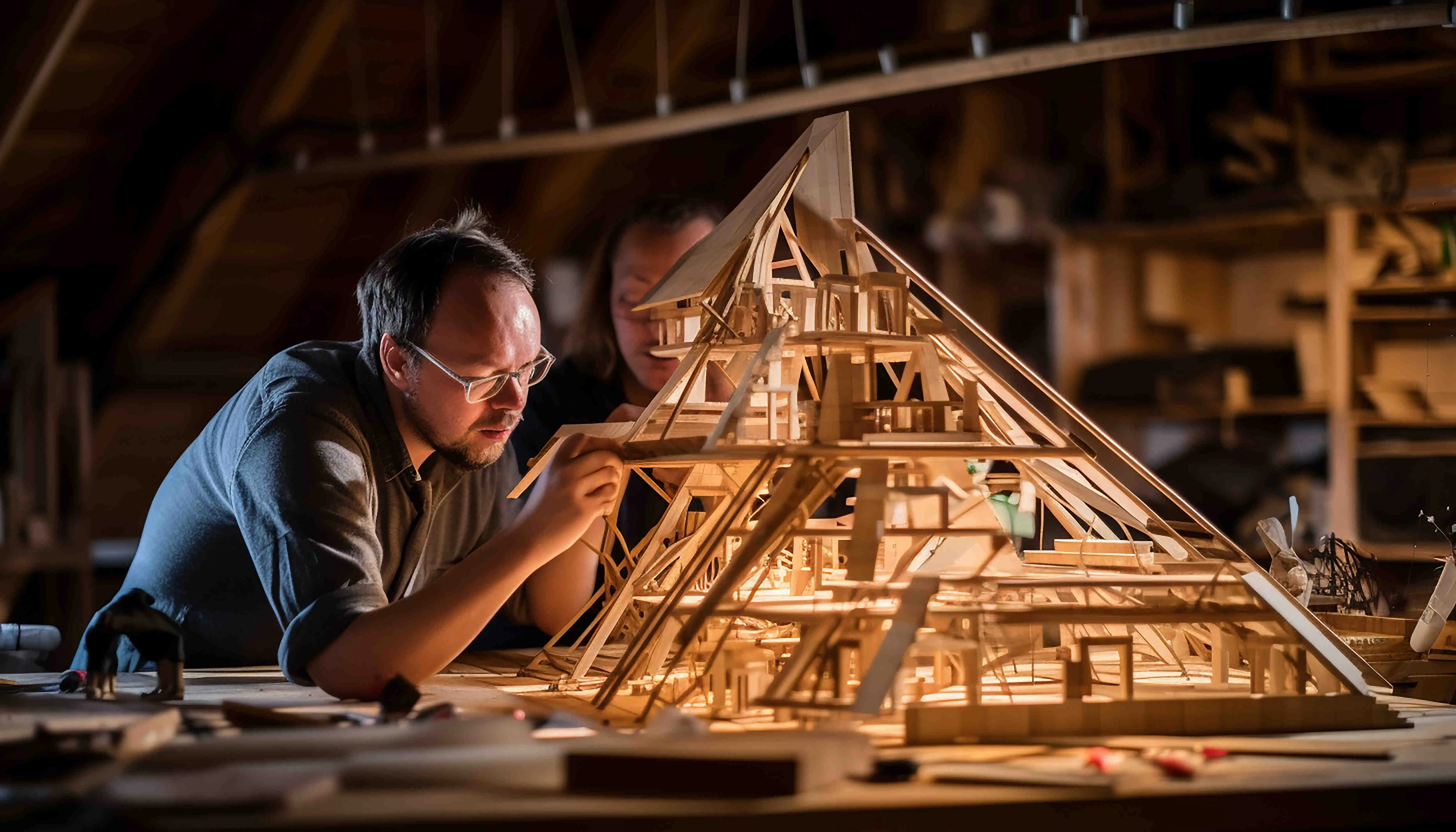
The world of carpentry is buzzing with innovations, trends, and transformative technologies. For carpenters, keeping up with these changes isn"t just about staying ahead in the game; it"s about ensuri...
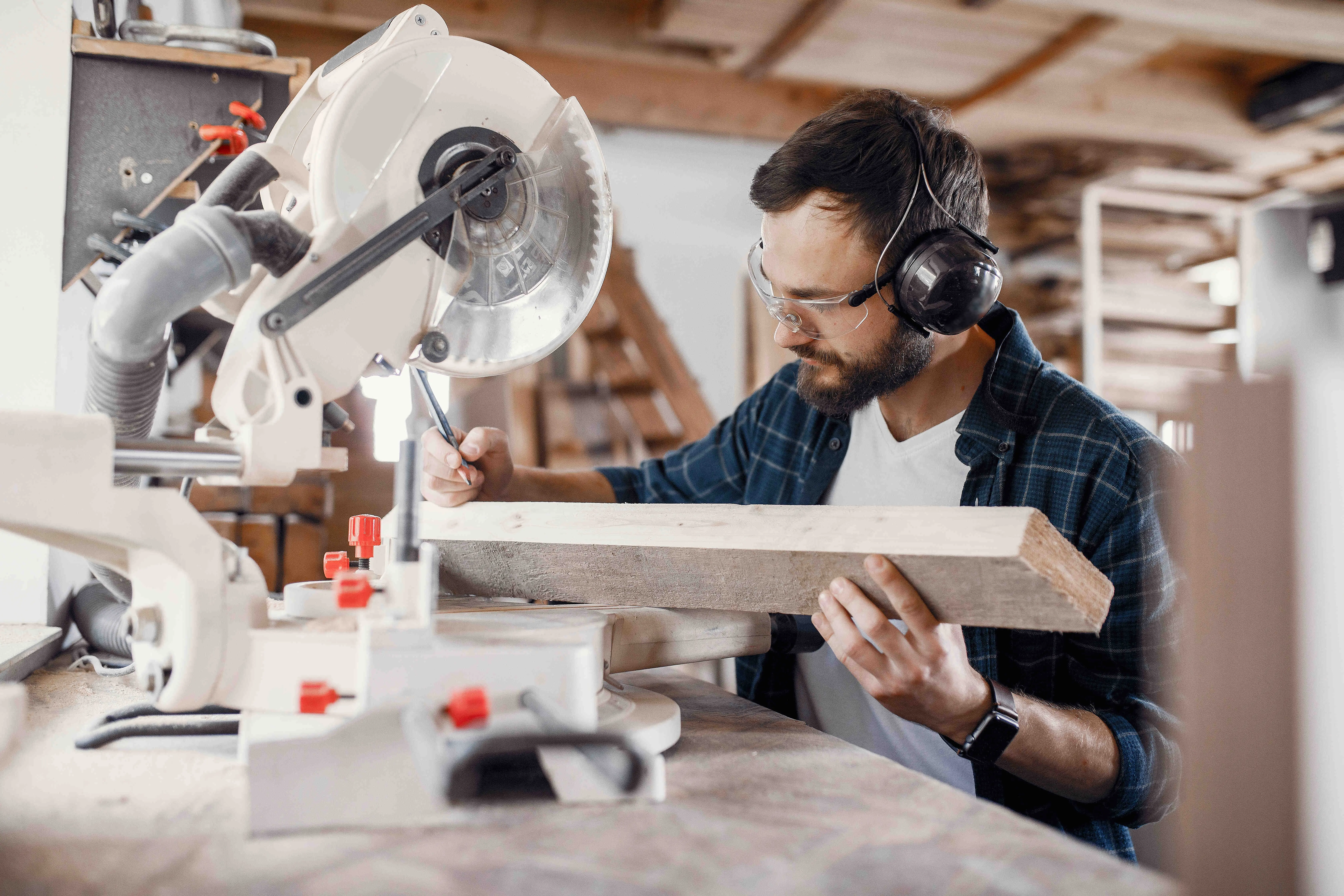
In an era where technology weaves through every facet of our lives, the carpentry profession is no exception to its transformative power. Welcome to "Carpentry Chronicles," a blog series dedicated to ...

Welcome to "Carpentry Chronicles," a blog series dedicated to navigating the ever-evolving landscape of carpentry. In this edition, we dive into a trend reshaping the carpentry domain—customizat...
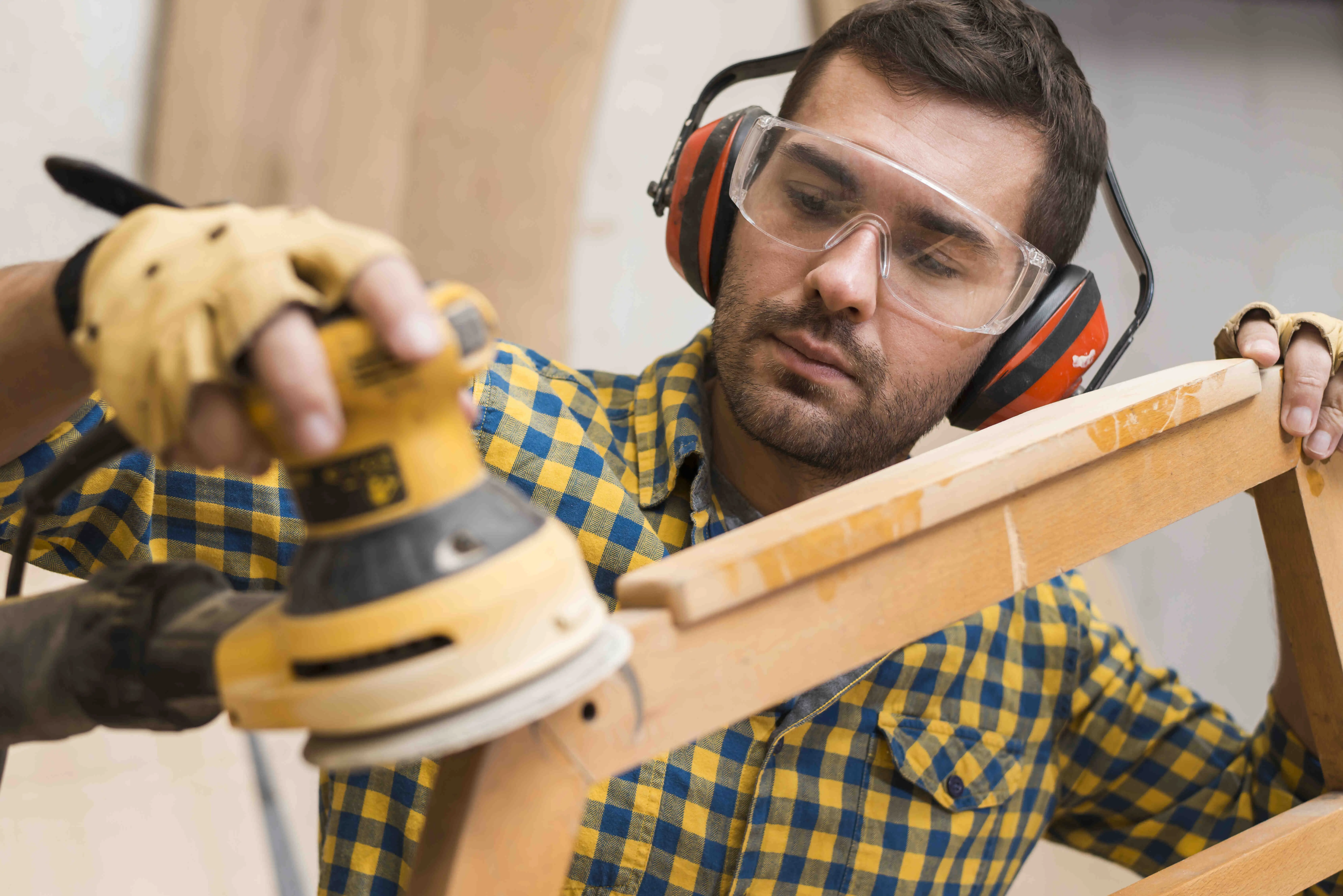
In the bustling world of carpentry, safety isn"t just a precaution; it"s a fundamental necessity. Welcome to "Carpentry Chronicles," a blog series committed to navigating the ever-evolving landscape o...
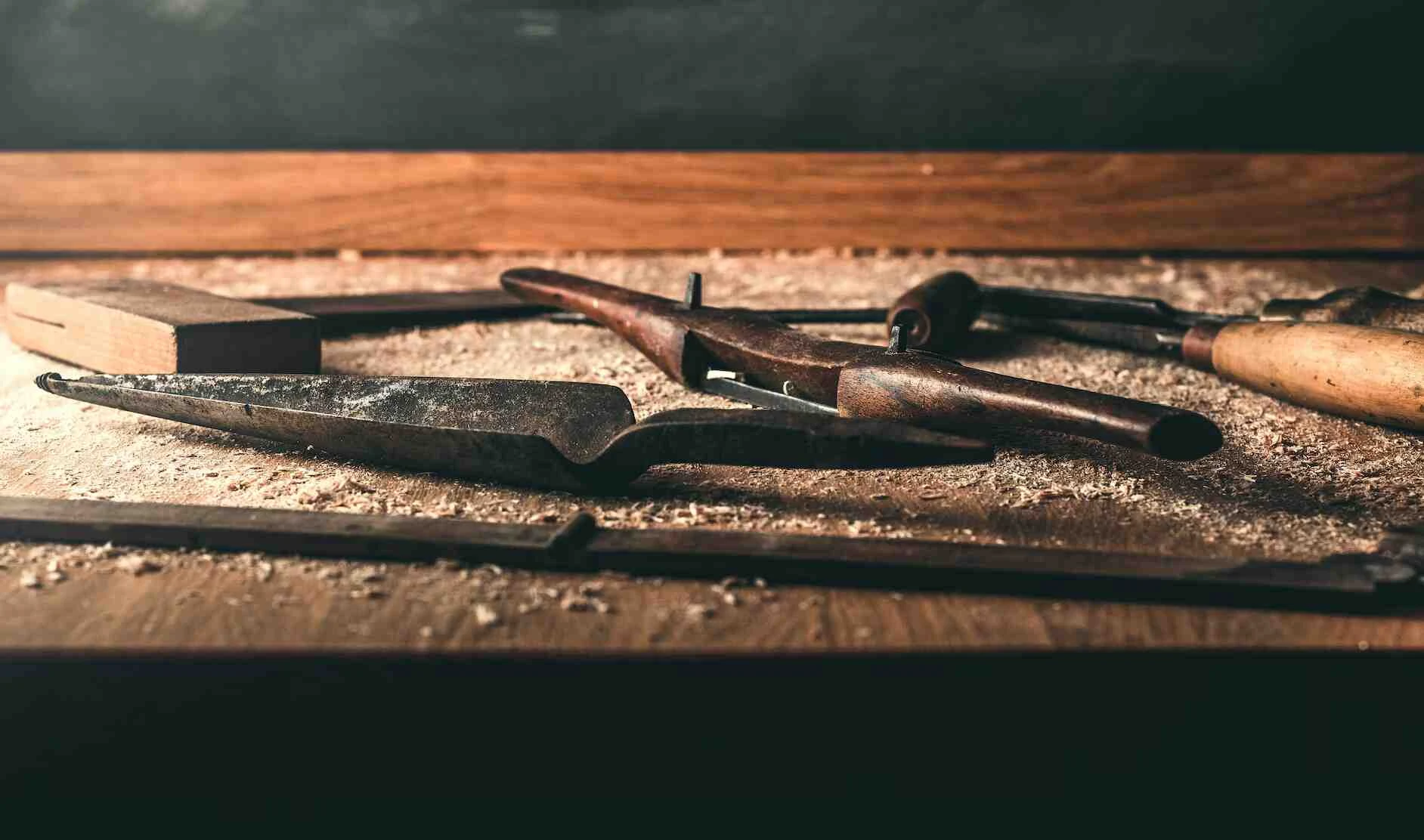
In carpentry, where wood meets creativity, mastery is not just a goal; it"s a journey. Welcome to "Carpentry Chronicles," a blog series that peels back the layers of carpentry to reveal the artistry a...
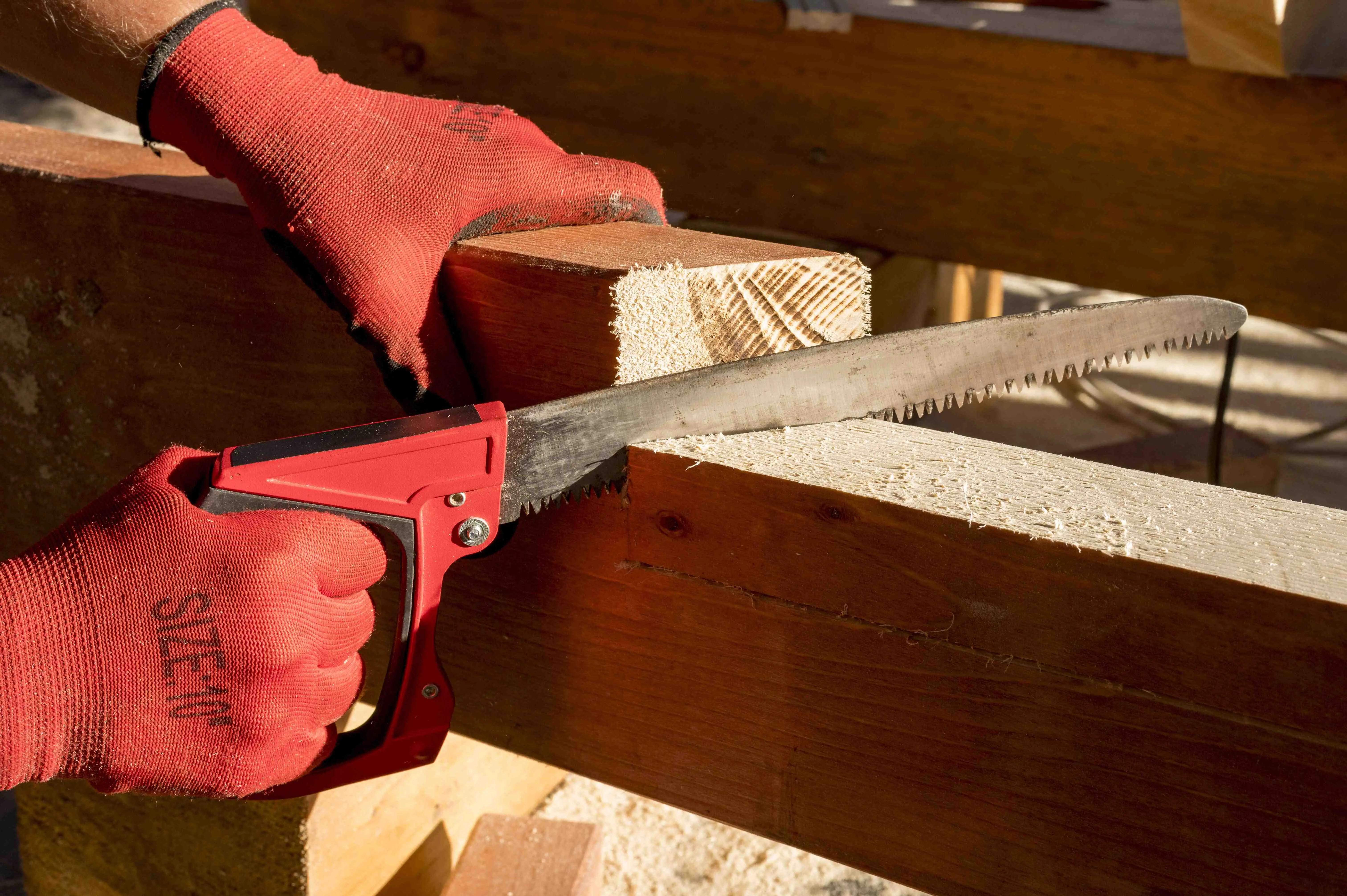
In the ever-evolving design landscape, where trends come and go, one element stands timeless—wood. Welcome to "Carpentry Chronicles," a blog series committed to navigating the dynamic world of c...
Sign up to start winning an unlimited amount of jobs near you.


 Electrician
Gas Engineer
Electrician
Gas Engineer


Send more enquiries and explore your options
Increasing the number of potentials leads for you!
Have more control and flexibility over your finances!