


**1. Porous Asphalt and Permeable Concrete**
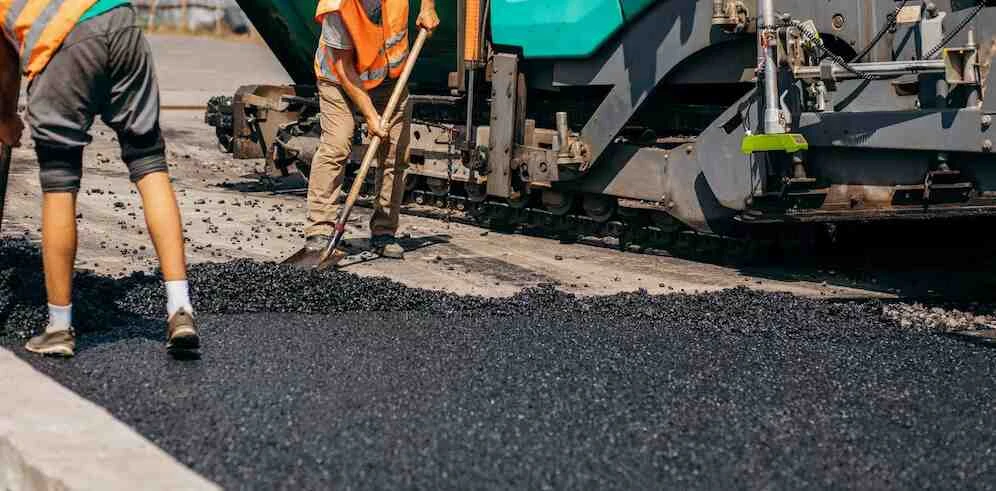
One of the most significant innovations in paving materials is the development of porous asphalt and permeable concrete. These materials are engineered to allow water to pass through, reducing stormwater runoff and the risk of flooding. They are environmentally friendly, promote groundwater recharge, and help manage water pollution by filtering out impurities.
**2. Recycled Materials**
The sustainability trend has led to the use of recycled materials in paving. Innovations in this area include reclaimed asphalt pavement (RAP) and reclaimed concrete aggregate (RCA). By incorporating recycled materials, paving becomes more eco-friendly and cost-effective while reducing the need for natural resources.
**3. Rubberized Asphalt**
Rubberized asphalt is a cutting-edge solution that involves mixing asphalt with rubber from recycled tires. This not only extends the lifespan of roadways but also reduces noise pollution and improves skid resistance. Rubberized asphalt is ideal for highways and road projects, providing enhanced safety and sustainability.
**4. Interlocking Pavers**
Interlocking pavers are a versatile paving material that has gained popularity due to their visual appeal and functionality. They come in various shapes, sizes, and textures, offering design flexibility. The ability to replace individual pavers makes maintenance easier, and they are commonly used for driveways, walkways, and patios.
**5. Stamped Concrete**
Stamped concrete is an innovation that allows concrete to replicate the appearance of various materials like stone, brick, or wood. This versatile material provides cost-effective options for enhancing outdoor spaces, making it an attractive choice for landscaping and decorative purposes.
**6. Self-Healing Asphalt**
Self-healing asphalt is designed to repair small cracks and imperfections through a process that uses capsules containing rejuvenating agents. When the pavement experiences stress or damage, the capsules break and release the healing materials. This innovation extends the life of asphalt pavements, reduces maintenance, and minimizes road hazards.
**7. Smart Paving Technologies**
The integration of technology and paving materials is an emerging trend. Smart paving technologies incorporate sensors, LED lighting, and even solar panels into the pavement. These innovations can provide data on traffic flow, road conditions, and even generate electricity. Smart pavements have the potential to revolutionize urban planning and transportation infrastructure.
**8. Eco-Friendly Alternatives**
Environmentally conscious paving materials like grass pavers and gravel grids have gained popularity for their ability to promote sustainable landscaping. These solutions allow for natural drainage, help prevent soil erosion, and reduce heat island effects in urban areas.
**9. Bio-Paving Materials**
Bio-paving materials combine the strength of traditional pavement with the ability to support vegetation growth. They are designed with small openings for soil and vegetation to thrive, creating a more sustainable and aesthetically pleasing alternative for roads, sidewalks, and parking lots.
**10. 3D-Printed Paving**
In the realm of cutting-edge technology, 3D-printed paving materials are on the horizon. These innovative materials can be customized for complex designs, intricate patterns, and artistic projects, offering a new dimension to architectural and landscape design.
Conclusion
The paving industry is witnessing remarkable transformations with the latest innovations in materials. These developments are revolutionizing the way we approach infrastructure, sustainability, and aesthetics. By embracing porous materials, recycled resources, technology integration, and eco-friendly options, paving professionals are contributing to a more sustainable and visually appealing built environment. As technology continues to advance, we can expect even more exciting breakthroughs in paving materials in the future.

The world of carpentry is buzzing with innovations, trends, and transformative technologies. For carpenters, keeping up with these changes isn"t just about staying ahead in the game; it"s about ensuri...

In an era where technology weaves through every facet of our lives, the carpentry profession is no exception to its transformative power. Welcome to "Carpentry Chronicles," a blog series dedicated to ...

Welcome to "Carpentry Chronicles," a blog series dedicated to navigating the ever-evolving landscape of carpentry. In this edition, we dive into a trend reshaping the carpentry domain—customizat...

In the bustling world of carpentry, safety isn"t just a precaution; it"s a fundamental necessity. Welcome to "Carpentry Chronicles," a blog series committed to navigating the ever-evolving landscape o...

In carpentry, where wood meets creativity, mastery is not just a goal; it"s a journey. Welcome to "Carpentry Chronicles," a blog series that peels back the layers of carpentry to reveal the artistry a...
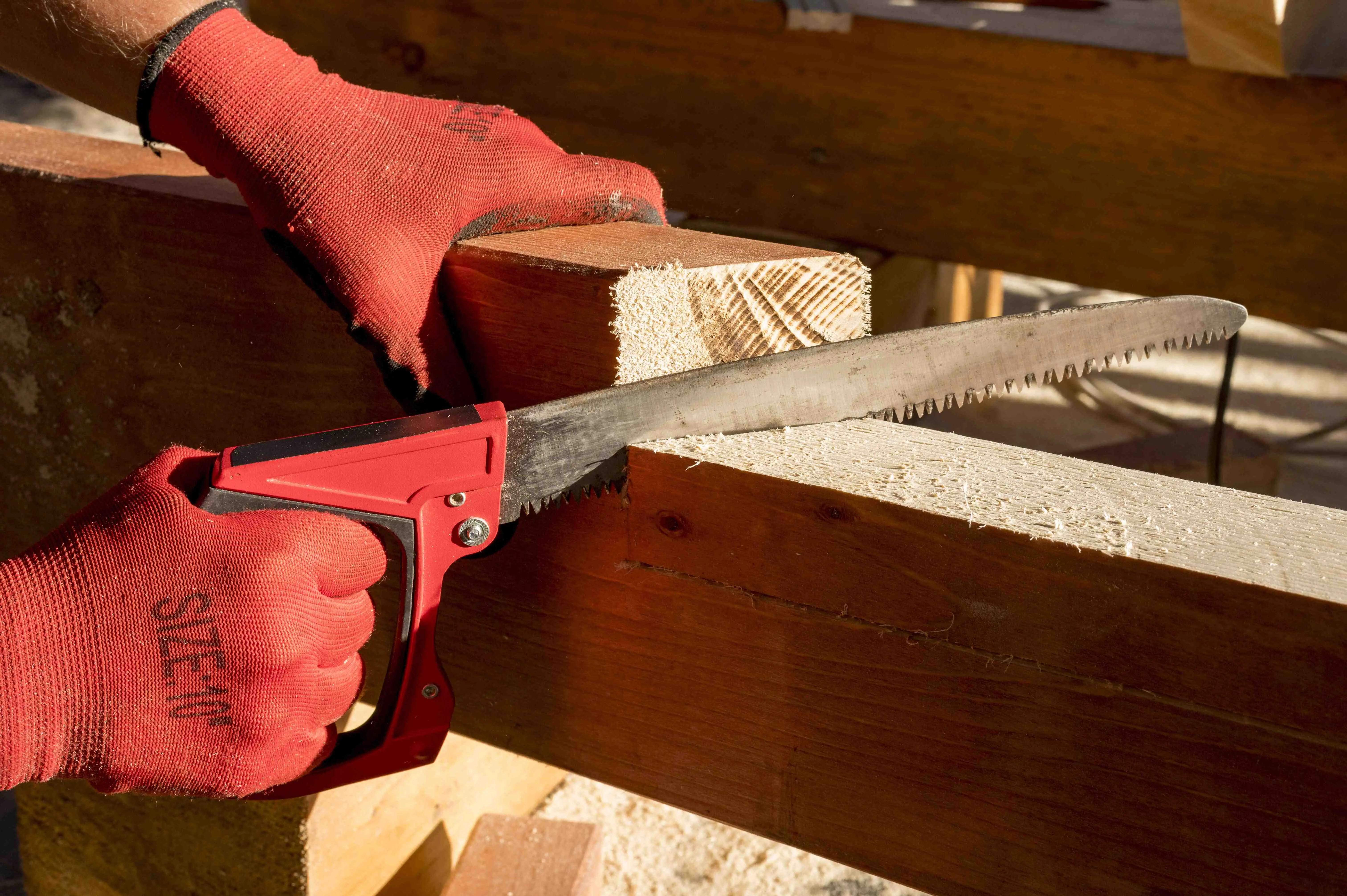
In the ever-evolving design landscape, where trends come and go, one element stands timeless—wood. Welcome to "Carpentry Chronicles," a blog series committed to navigating the dynamic world of c...
Sign up to start winning an unlimited amount of jobs near you.


 Electrician
Gas Engineer
Electrician
Gas Engineer


Send more enquiries and explore your options
Increasing the number of potentials leads for you!
Have more control and flexibility over your finances!