


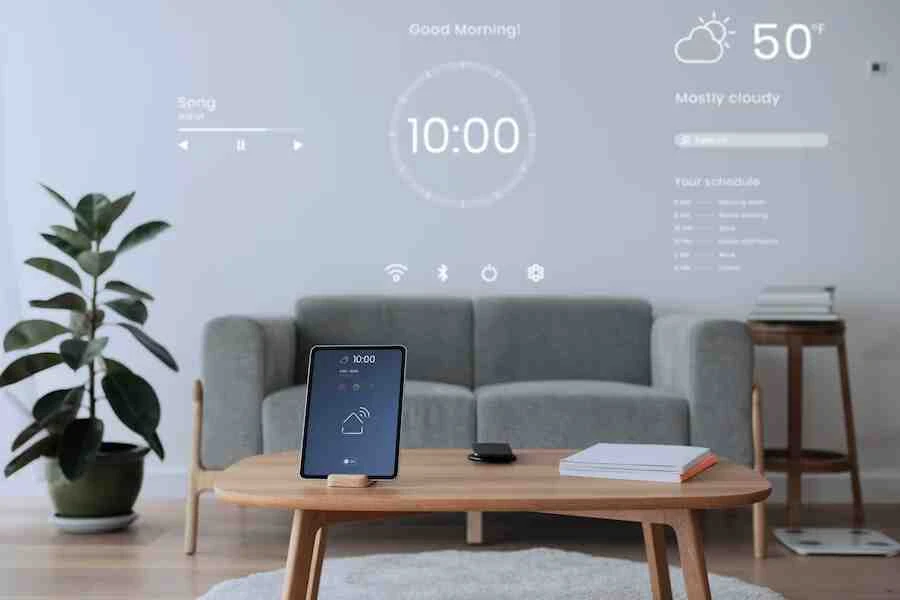
1. Voice Control and AI Assistants
Voice-activated smart speakers and AI assistants have taken the home automation world by storm. With devices like Amazon"s Alexa, Google Assistant, and Apple"s Siri, homeowners can control lights, thermostats, appliances, and even security systems using nothing more than their voice. This hands-free convenience is not only user-friendly but also adds a layer of accessibility for individuals with mobility impairments.
2. Energy Efficiency and Sustainability
Sustainability is a growing concern, and home automation is playing a crucial role in reducing energy consumption. Smart thermostats, lighting systems, and appliances can be programmed to minimize energy usage when you"re not at home. They can also adapt to your preferences and daily routines, ensuring that energy is used efficiently and reducing your carbon footprint.
3. Security and Surveillance
Home security has become smarter and more accessible. High-definition cameras, motion sensors, and smart doorbells are now commonplace in home automation systems. These devices not only provide real-time monitoring but also allow homeowners to receive instant alerts and access video feeds remotely via smartphones. Integration with AI enables better threat detection and facial recognition, enhancing the overall security of your home.
4. Home Health and Wellness
The emergence of health and wellness automation is a significant trend in the industry. Smart devices can monitor air quality, control air purifiers, and provide information about potential allergens in your home. Additionally, there are smart appliances that support healthier eating and cooking habits. With the integration of health and wellness features, homeowners can create a living environment that promotes well-being.
5. Connected and Multi-Functional Appliances
Today"s smart appliances do much more than their traditional counterparts. Smart refrigerators can keep track of your groceries and expiration dates, while smart ovens can suggest recipes and cooking times. Coffee makers, washing machines, and even toilets are getting the smart treatment, enhancing convenience and making daily routines more efficient.
6. Integration and Interoperability
The ability to integrate various devices and systems into a cohesive automation ecosystem is a growing trend. Open-source platforms, like Apple"s HomeKit, Google"s Works with Nest, and Amazon"s Alexa Skills Kit, are making it easier for different brands and devices to work together seamlessly. This ensures that homeowners can mix and match devices without worrying about compatibility issues.
7. Personalized and Contextual Automation
Modern home automation systems are getting better at understanding context and anticipating the needs of homeowners. They can adjust settings based on your location, daily routines, or even your mood. For example, your system can start playing your favorite music when you walk into a room, adjust the lighting and temperature to your liking, and lock the doors when you leave.
Conclusion
The world of home automation is evolving at a rapid pace, and these emerging trends are making our homes smarter, more efficient, and safer than ever before. As technology continues to advance, we can expect even more innovations that cater to our needs and preferences. Whether it"s enhancing energy efficiency, improving security, or promoting health and wellness, home automation is transforming the way we interact with our living spaces, making our homes more comfortable and enjoyable. The future of home automation is undoubtedly exciting, and it"s changing the way we experience the place we call home.

The world of carpentry is buzzing with innovations, trends, and transformative technologies. For carpenters, keeping up with these changes isn"t just about staying ahead in the game; it"s about ensuri...

In an era where technology weaves through every facet of our lives, the carpentry profession is no exception to its transformative power. Welcome to "Carpentry Chronicles," a blog series dedicated to ...

Welcome to "Carpentry Chronicles," a blog series dedicated to navigating the ever-evolving landscape of carpentry. In this edition, we dive into a trend reshaping the carpentry domain—customizat...

In the bustling world of carpentry, safety isn"t just a precaution; it"s a fundamental necessity. Welcome to "Carpentry Chronicles," a blog series committed to navigating the ever-evolving landscape o...

In carpentry, where wood meets creativity, mastery is not just a goal; it"s a journey. Welcome to "Carpentry Chronicles," a blog series that peels back the layers of carpentry to reveal the artistry a...
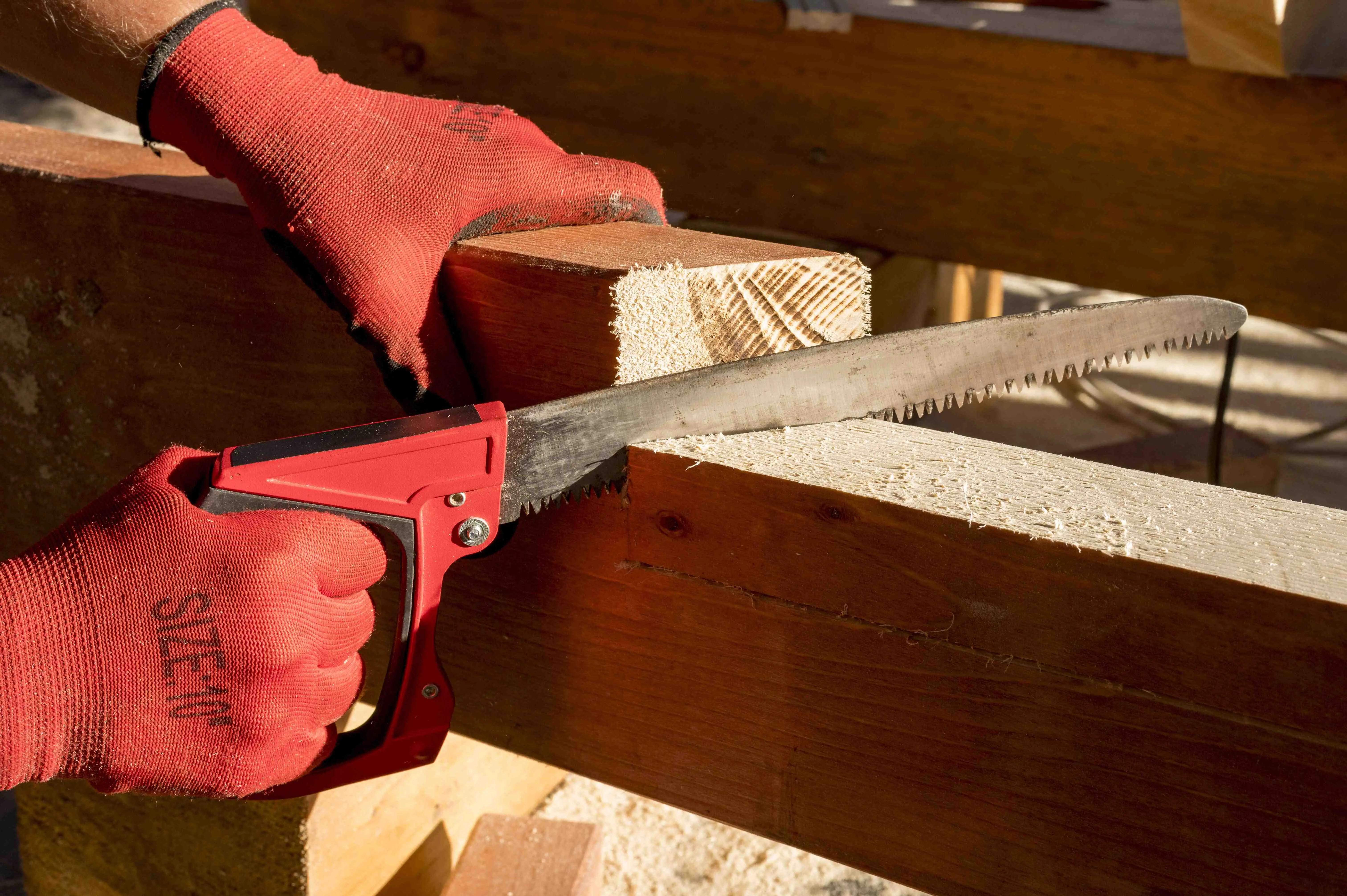
In the ever-evolving design landscape, where trends come and go, one element stands timeless—wood. Welcome to "Carpentry Chronicles," a blog series committed to navigating the dynamic world of c...
Sign up to start winning an unlimited amount of jobs near you.


 Electrician
Gas Engineer
Electrician
Gas Engineer


Send more enquiries and explore your options
Increasing the number of potentials leads for you!
Have more control and flexibility over your finances!