



**1. Proper Planning and Layout**
The first step to achieving precision tiling in your bathroom is thorough planning and layout. Measure the space accurately, taking into account any obstacles or irregularities. Plan the layout of your tiles carefully to ensure they align perfectly and create a cohesive look. Dry-laying tiles before applying adhesive can help you visualize the final result and make adjustments as needed.
**2. Choose High-Quality Tiles**
Invest in high-quality tiles that are uniform in size and shape. Cheap or irregular tiles can lead to uneven lines and gaps in your tiling, detracting from the overall precision. Quality tiles not only look better but also last longer.
**3. Invest in the Right Tools**
Having the proper tools is essential for precision tiling. Some of the essential tools include tile cutters, spacers, a level, trowels, and a notched trowel for spreading adhesive evenly. Investing in quality tools can make the tiling process smoother and more accurate.
**4. Pay Attention to Tile Spacing**
Consistent tile spacing is crucial for achieving precision tiling. Use tile spacers to maintain uniform gaps between tiles. The size of the spacers should match the desired grout line width. Proper spacing not only looks better but also ensures that the tiles are evenly aligned.
**5. Start with a Level and Stable Surface**
Before tiling, ensure that the surface is level, stable, and properly prepared. Any unevenness or instability in the substrate can result in tiles that are not flush or prone to cracking. Use a leveling compound or backer board if necessary to create a suitable base for your tiles.
**6. Mix and Apply Adhesive Carefully**
Follow the manufacturer"s instructions for mixing adhesive to achieve the right consistency. Apply adhesive evenly using a notched trowel to ensure good tile adhesion. Work in small sections to prevent the adhesive from drying too quickly.
**7. Cut Tiles with Precision**
When cutting tiles to fit around edges, corners, or fixtures, use a tile cutter or wet saw for accuracy. Measure and mark tiles carefully before cutting to avoid errors. Clean-cut edges and well-fitted tiles are essential for precision tiling.
**8. Grout with Precision**
After the tiles are set, apply grout with care. Use a grout float to press grout into the gaps and joints between tiles. Clean excess grout from the tile surface before it dries to avoid grout haze. Once the grout is cured, seal it to prevent staining and moisture penetration.
**9. Pay Attention to Detail**
Precision tiling is all about the details. Take the time to inspect your work regularly, checking for any uneven tiles, gaps, or imperfections. Make any necessary adjustments as you go to ensure a flawless finish.
**10. Clean and Maintain**
Finally, after your precision tiling is complete, clean the tiles thoroughly to remove any adhesive or grout residue. Regular maintenance, including cleaning and resealing grout as needed, will help preserve the precision and beauty of your tiled bathroom for years to come.
**Conclusion**
Precision tiling in bathrooms is an art that requires careful planning, attention to detail, and the right tools and materials. When done correctly, it can transform your bathroom into a stunning and functional space that stands the test of time. Whether you"re tackling a DIY project or hiring a professional, the art of precision tiling is an essential skill for achieving impeccable results in bathroom design and renovation.

In the era of climate change and environmental consciousness, sustainable building practices have gained immense importance. One of the critical aspects of sustainable construction is the selection of...

When it comes to making our homes and buildings more energy-efficient, insulation materials play a crucial role. They help regulate indoor temperatures, reduce energy consumption, and lower heating an...

Smart building technologies have revolutionized the way we design, construct, and manage buildings. These technologies leverage the power of the Internet of Things (IoT) to enhance building ef...
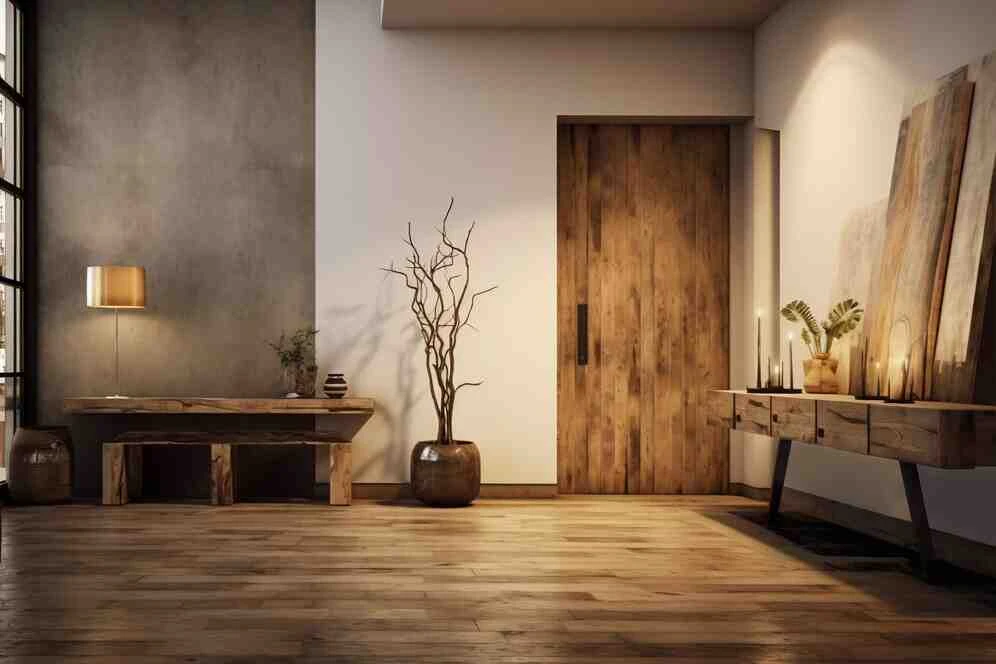
Selecting the right flooring material is a crucial decision when it comes to interior design and construction projects. Flooring not only impacts the aesthetics of a space but also affects its functio...

Windows and doors are more than just functional components of a building; they are key architectural elements that can dramatically impact a structure"s aesthetics, energy efficiency, and overall appe...

Innovative structural materials have been at the forefront of modern construction, pushing the boundaries of what is possible in terms of strength, sustainability, and design. As the construction indu...
Sign up to start winning an unlimited amount of jobs near you.


 Electrician
Gas Engineer
Electrician
Gas Engineer


Send more enquiries and explore your options
Increasing the number of potentials leads for you!
Have more control and flexibility over your finances!