


## 1. The Shard:
- Background:
- The Shard, towering over London at 310 meters, is not only the tallest building in the UK but an architectural marvel.
- Completed in 2012, The Shard"s unique design and slender profile required a high level of precision in both its construction and foundation.
- Precision in Groundwork:
- Urban Excavation: The groundwork involved precise urban excavation to create a foundation that could support the towering structure amidst London"s densely developed cityscape.
- Foundation Engineering: The Shard"s foundation engineering took into account the geological conditions of the site and the need to distribute loads effectively, ensuring stability.
## 2. The Channel Tunnel:
- Background:
- The Channel Tunnel, linking Folkestone in the UK with Coquelles near Calais in France, is a testament to precision in underground construction.
- Completed in 1994, this marvel of engineering allows high-speed trains and vehicles to travel beneath the English Channel.
- Precision in Groundwork:
- Underwater Excavation: The groundwork involved tunneling deep beneath the English Channel, a challenging environment with varying geological conditions. Precision was critical to ensure the integrity of the tunnels.
- Alignment Accuracy: Achieving precise alignment for the tunnel sections required advanced surveying techniques and engineering precision to connect the UK and France seamlessly.
## 3. The Falkirk Wheel:
- Background:
- The Falkirk Wheel in Scotland is a rotating boat lift that connects the Forth and Clyde Canal with the Union Canal.
- Completed in 2002, it replaced a traditional series of locks with a more efficient and visually striking mechanism.
- Precision in Groundwork:
- Balanced Rotation: The groundwork for the Falkirk Wheel demanded precision in construction to ensure the smooth and balanced rotation of the wheel, allowing boats to move between different canal levels effortlessly.
- Canal Integration: Groundworkers and engineers had to seamlessly integrate the wheel into the existing canal infrastructure, requiring meticulous planning and execution.
## 4. The Eden Project:
- Background:
- The Eden Project in Cornwall is a collection of massive biomes that house different climates and ecosystems.
- Opened in 2001, the biomes are a triumph of precision in both architecture and groundwork.
- Precision in Groundwork:
- Biome Construction: The groundwork involved creating foundations for the large biomes, each with its unique environmental conditions. Precision in construction was vital to maintain the integrity of the structures.
- Landscape Integration: Precision was also crucial in landscaping around the biomes to create visually stunning outdoor spaces that complement the architectural precision of the structures.
## 5. The Queen Elizabeth Olympic Park:
- Background:
- The Queen Elizabeth Olympic Park in London was the central hub for the 2012 Summer Olympics.
- The park"s redevelopment transformed a contaminated industrial site into a sustainable and vibrant public space.
- Precision in Groundwork:
- Contaminated Site Remediation: Precision was essential in the remediation of contaminated soil, ensuring that the park could be repurposed without compromising environmental safety.
- Infrastructure Design: The precision in infrastructure design, including water features, walkways, and sports facilities, contributed to the park"s functionality and aesthetic appeal.
## 6. The Crossrail Project (Elizabeth Line):
- Background:
- The Crossrail project, now known as the Elizabeth Line, aimed to create a new railway line connecting east and west London.
- The project involved complex groundwork challenges in densely populated urban areas.
- Precision in Groundwork:
- Tunnel Boring Machines (TBMs): The use of Tunnel Boring Machines exemplifies precision in urban excavation. The TBMs created tunnels beneath the city without causing disruptions on the surface.
- Alignment Accuracy: Achieving precise alignment for the tunnels required advanced surveying and engineering techniques to navigate through complex urban landscapes.
## 7. The Serpentine Pavilion:
- Background:
- The Serpentine Pavilion is an annual architectural commission in London"s Kensington Gardens, featuring temporary installations by renowned architects.
- Each year"s pavilion showcases precision in both architectural design and integration with the natural landscape.
- Precision in Groundwork:
- Temporary Installations: Precision in groundwork is evident in the creation of temporary foundations that support the pavilions. The structures must be stable, secure, and seamlessly integrated with the park"s landscape.
- Environmental Harmony: Groundwork precision extends to landscaping around the pavilions, ensuring that the temporary structures harmonize with the natural surroundings.
## 8. Lessons Learned:
- Adaptive Engineering: Precision in groundwork often requires adaptability to diverse challenges, whether it"s creating foundations for a skyscraper or tunneling beneath a water body.
- Urban Excavation Expertise: Projects like The Shard and the Crossrail
Project demonstrate the importance of expertise in urban excavation, where precision is vital to navigate through existing infrastructure.
- Environmental Considerations: The precision in projects like The Eden Project and The Queen Elizabeth Olympic Park highlights the need for careful consideration of environmental factors in groundwork.
- Legacy Planning: The precision in the design and execution of projects ensures that they stand the test of time, contributing to the legacy of the built environment.
## Conclusion:
The art of precision in groundwork is a defining characteristic of the United Kingdom"s engineering and construction prowess. From the depths of underwater tunnels to the heights of skyscrapers, these projects showcase the meticulous planning, cutting-edge technology, and unwavering commitment to precision that define the landscape of the UK. As these structures stand as testaments to human ingenuity, they also serve as inspiration for future generations of groundworkers, engineers, and architects who will continue to shape the built environment with precision and excellence.
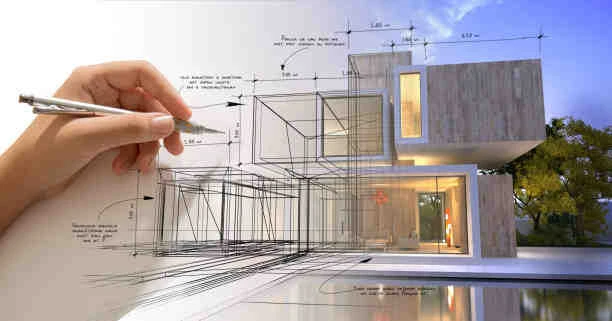
In a world often cluttered with complexity, modern minimalism in architecture stands as a testament to the beauty of simplicity. This design philosophy strips away excess ornamentation and embraces cl...

Throughout history, mankind has expressed its creativity and ambition through the construction of iconic architectural landmarks. These structures not only captivate us with their breathtaking designs...

Symmetry and balance in architectural design are principles that have been appreciated for centuries. These elements create a sense of harmony, order, and visual appeal in buildings and structures. Sy...

As the sun dips below the horizon, architectural wonders across the globe come to life, basking in the radiance of carefully designed illumination. Creative lighting design possesses the remarkable ab...

Architecture has a profound impact on our daily lives, shaping the way we interact with our surroundings and with one another. In recent years, a shift towards community-centric architecture has been ...
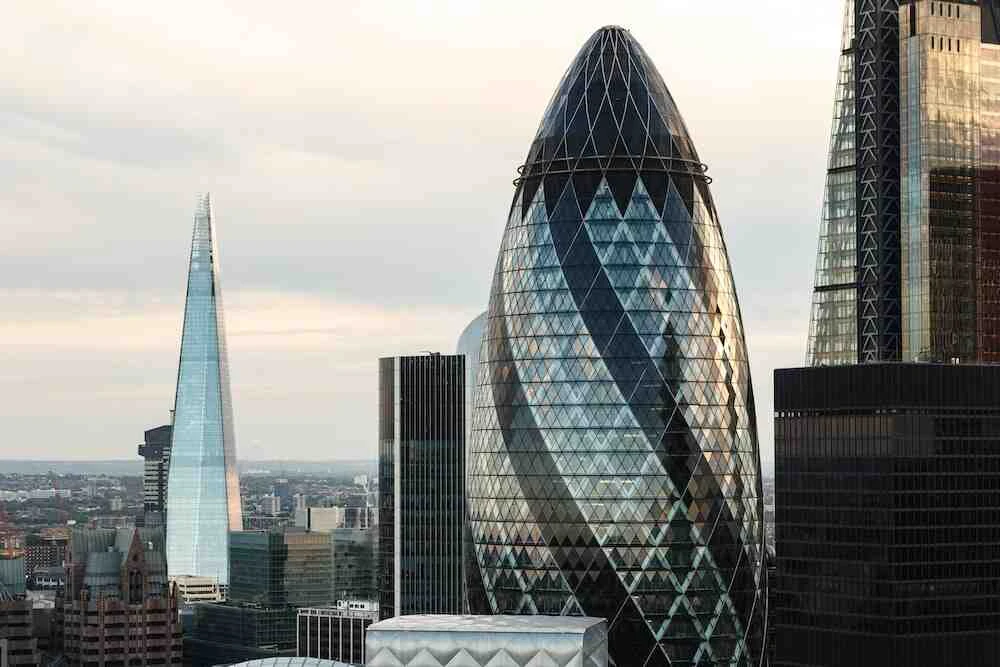
In the ever-evolving world of architecture, the materials we use play a pivotal role in shaping the built environment. Over the years, architects and designers have pushed the boundaries of convention...
Sign up to start winning an unlimited amount of jobs near you.


 Electrician
Gas Engineer
Electrician
Gas Engineer


Send more enquiries and explore your options
Increasing the number of potentials leads for you!
Have more control and flexibility over your finances!