


Understanding Your Client"s Perspective
The first step in mastering the art of negotiation with demolition clients is to understand their perspective. Clients who require demolition services are often on the brink of a major project, be it constructing a new building, renovating an existing structure, or clearing land for a new endeavor. They have a vision, a set of expectations, and, most importantly, a budget.
As a demolition professional, your role is to not only demolish structures but also to demolish the barriers that might stand in the way of a successful project. Understanding your client"s vision, budget constraints, and timeline is crucial. It"s about becoming a partner in their project, not just a service provider.
Building Trust
Trust is the cornerstone of any successful negotiation. In the world of demolition, trust is paramount as it often involves significant risks and potential liabilities. Clients need to trust that you can execute the demolition safely, on time, and within budget.
To build trust, you must be transparent. Discuss your past projects, your safety records, and your team"s qualifications. Provide references and case studies to demonstrate your expertise. Moreover, actively listen to your clients, addressing their concerns and questions. Building trust takes time, but it is the foundation upon which successful negotiations are built.
The Power of Preparation
In the world of demolition, preparation can be the difference between sealing the deal and walking away empty-handed. Thoroughly preparing for a negotiation means knowing your own capabilities, understanding your costs, and anticipating your client"s needs.
Begin by analyzing your own costs, including labor, equipment, and disposal fees. Knowing your own bottom line allows you to set clear boundaries during the negotiation. Additionally, be prepared to justify your pricing with concrete facts, showing how it aligns with the client"s project requirements and the market rates.
Understand your client"s needs and potential objections. What are their specific project requirements? Are there any environmental concerns, safety regulations, or permit issues you need to address? Anticipating these questions and having well-researched answers at your disposal is a valuable negotiation tactic.
The Win-Win Approach
Negotiation isn"t a zero-sum game where one side wins at the expense of the other. Successful negotiations in the demolition industry often follow a win-win approach. It means finding solutions that benefit both parties, creating a long-lasting partnership.
For instance, if your client is concerned about project costs, instead of merely cutting your price, offer value-added services. This could include providing an accurate project timeline, assisting with permit applications, or suggesting ways to recycle or repurpose materials from the demolition site. By creating value for your clients beyond the basic demolition service, you enhance your appeal and set the stage for a win-win negotiation.
Be Patient and Flexible
Demolition negotiations can be lengthy processes, and sometimes they might not go as smoothly as planned. Be prepared for setbacks and hiccups, and practice patience.
Flexibility is another essential trait. Sometimes clients might request changes or additional services mid-negotiation. Instead of immediately rejecting these requests, consider how they can be accommodated within the scope of the project. A willingness to adapt can be a significant asset in your negotiation toolkit.
Communicate Clearly
Effective communication is a golden rule in negotiation. It"s crucial to be clear, concise, and honest. Ambiguity and vagueness can lead to misunderstandings and conflicts down the road.
Set clear expectations and milestones during the negotiation process. Outline the project timeline, payment schedules, and deliverables. This not only ensures both parties are on the same page but also reduces the potential for disputes later on.
The Power of a Written Agreement
Once negotiations have been successful, it"s time to put everything in writing. A well-drafted contract is the final step in the negotiation process. This contract should detail the scope of work, timelines, payment terms, and any other specific agreements made during the negotiation.
The written agreement serves as a legally binding document that protects both you and your client"s interests. It provides a clear reference point in case of disputes and ensures that the project progresses smoothly according to the negotiated terms.
Conclusion
In the world of demolition, negotiation is more than just haggling over prices; it"s an art that involves understanding your clients, building trust, and seeking win-win solutions. It"s a process that demands preparation, patience, and excellent communication skills. As a demolition professional, your success hinges on your ability to master this art, as it not only results in favorable agreements but also in long-term partnerships and a solid reputation in the industry.
Remember, in the world of demolition, a successful negotiation doesn"t just mean tearing down buildings; it"s about building bridges to success, one agreement at a time. So, put on your negotiation hard hat, equip yourself with the tools mentioned in this blog post, and start building those bridges towards prosperous collaborations with your demolition clients.

In recent years, smart home technology has become increasingly popular among homeowners. Smart home technology refers to the use of internet-connected devices and sensors to automate and control vario...

In carpentry, every piece crafted is a testament to skill, dedication, and the satisfaction of a delighted client. Welcome to "Whispers of Wood," a blog that echoes client experiences and testimonials...

In carpentry, every stroke of the saw and every touch of the chisel holds the potential to transform more than just wood. It can transform a space, a home, and even a life. Welcome to "Craftsmanship C...
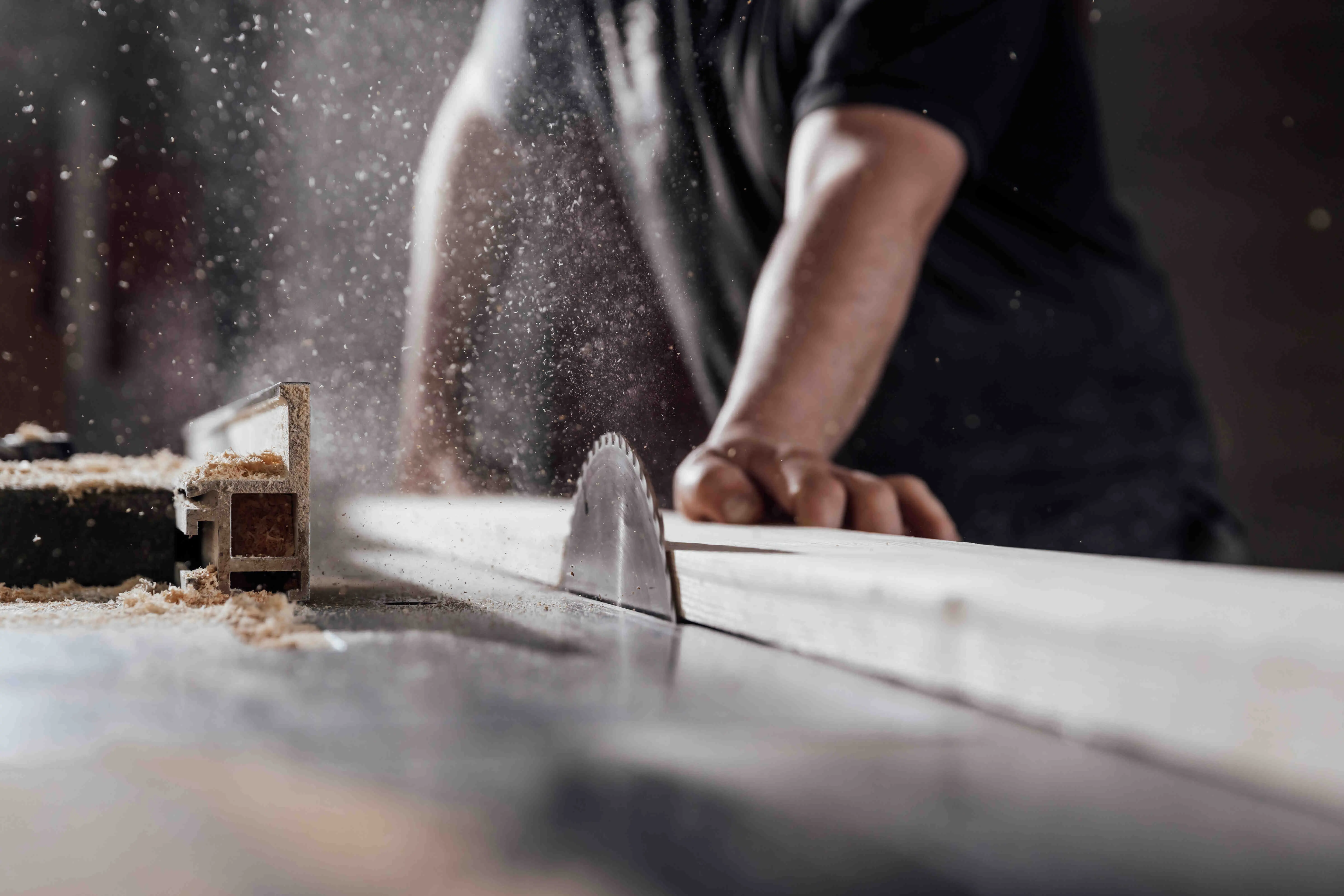
In the realm of carpentry, there exists a league of extraordinary artisans crafting not just furniture or structures but a legacy of excellence. Welcome to "Masters of Craft," a blog that offers a gli...
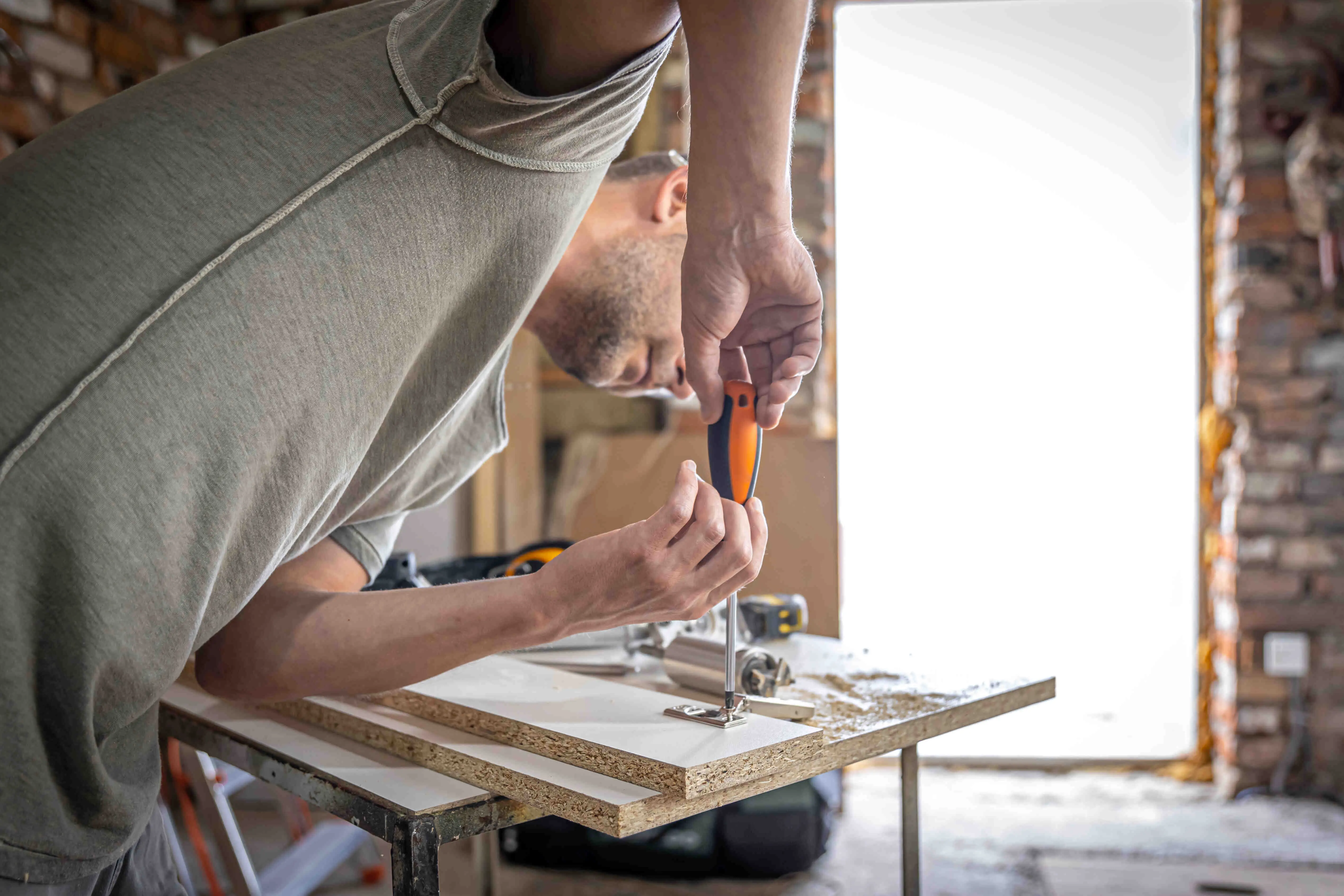
In the symphony of saws and the dance of chisels, there"s a new tune—a tune of sustainability. Welcome to "Sustainable Shavings," a blog exploring the green revolution within carpentry. Join us ...
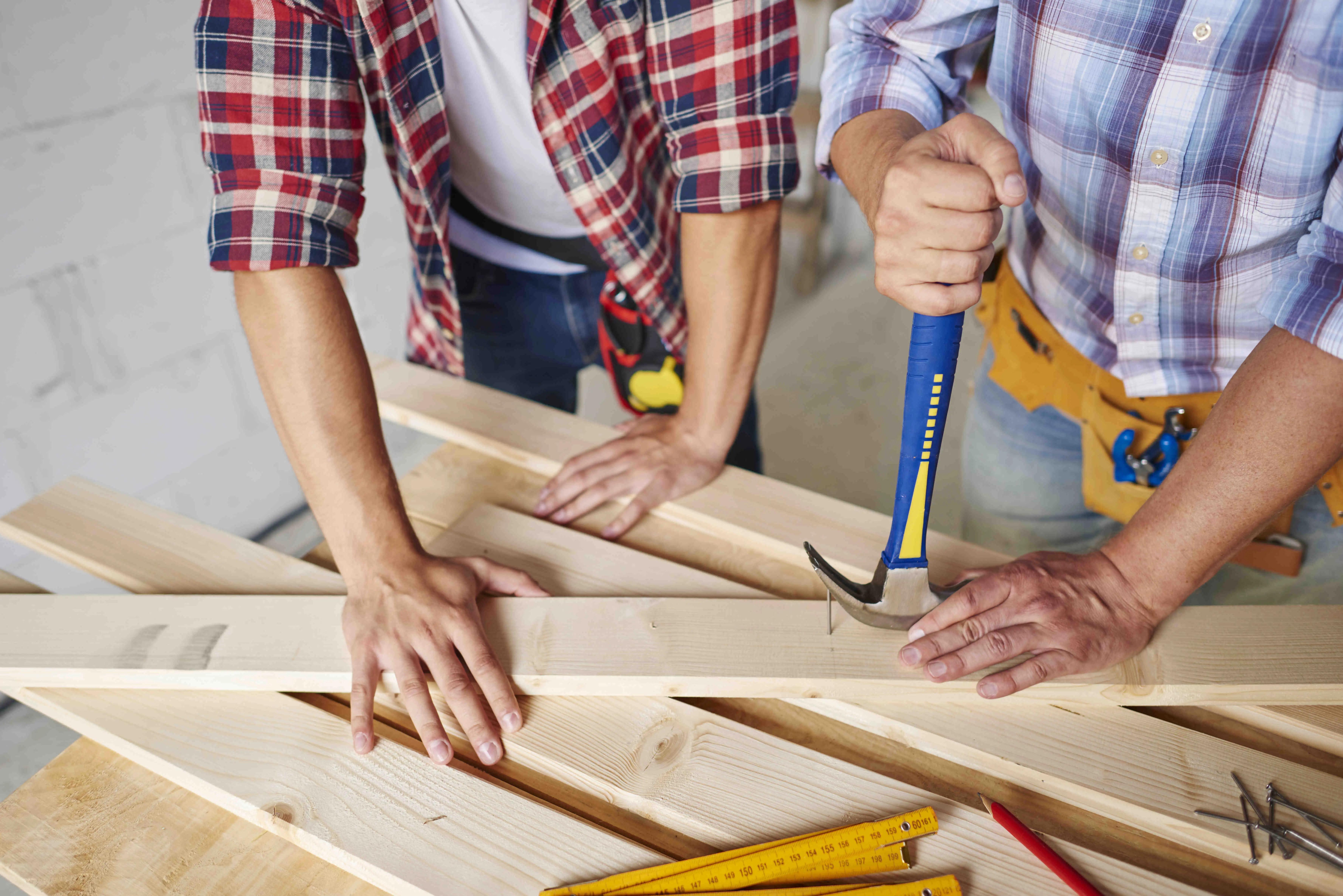
The sound of camaraderie is the sweetest melody in the workshop"s symphony. Welcome to "Crafting Connections," a blog that explores the beating heart of the carpentry profession—the sense of com...
Sign up to start winning an unlimited amount of jobs near you.


 Electrician
Gas Engineer
Electrician
Gas Engineer


Send more enquiries and explore your options
Increasing the number of potentials leads for you!
Have more control and flexibility over your finances!