


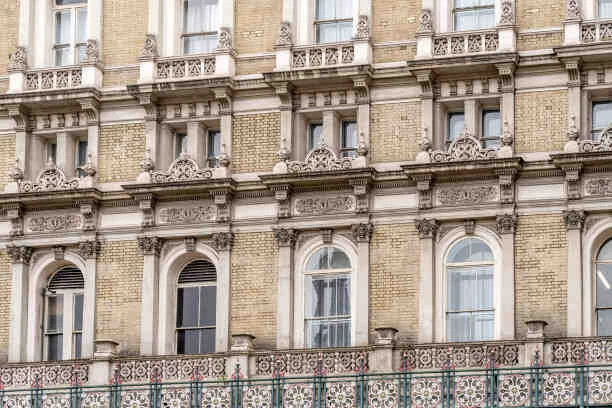
The Importance of Damp-Proofing in Historic Buildings
Before we dive into the intricacies of damp-proofing, it"s crucial to understand why it"s so important in the context of historic buildings. Dampness is the arch-nemesis of structures, and it can wreak havoc on old buildings, causing damage that is often irreversible. Dampness can lead to rot, mold, and structural deterioration. The aesthetics of the building can also be marred, with peeling paint, stained walls, and crumbling plaster.
Historic buildings, which often lack the modern construction materials and techniques used in contemporary structures, are particularly vulnerable to the effects of moisture. To maintain these structures for future generations, effective damp-proofing is essential.
Methods of Damp-Proofing Historic Buildings
Lime Plaster: Lime plaster, which has been used for centuries, is a popular choice for damp-proofing in historic buildings. It is a breathable material that allows moisture to evaporate naturally, preventing it from getting trapped within the walls.
Natural Stone Barriers: Natural stones like slate and granite can be used to create a barrier against moisture. This not only adds a rustic charm but also effectively prevents dampness from penetrating the building"s walls.
Ventilation: Proper ventilation is key to damp-proofing historic buildings. Installing ventilation systems that allow air to circulate can help prevent moisture buildup.
Chemical Damp-Proofing: While chemical solutions are generally not the first choice for preserving historic buildings, they can be used in specific cases. However, it"s essential to choose environmentally friendly and reversible solutions to avoid long-term harm to the structure.
Waterproof Membranes: In cases where the historic building is at significant risk, waterproof membranes can be discreetly installed to prevent moisture from penetrating walls.
Challenges in Damp-Proofing Historic Buildings
Damp-proofing historic buildings is a delicate art because it requires balancing preservation with protection. Here are some of the challenges that professionals face in this endeavor:
Historical Authenticity: Preserving the historical authenticity of a building is paramount. The methods used for damp-proofing must not compromise the building"s character or historical significance.
Breathability: Many traditional damp-proofing materials are chosen for their breathability. Ensuring that the building can "breathe" is essential to prevent moisture from getting trapped inside the walls.
Environmental Impact: The use of modern materials and chemicals can have a detrimental impact on the environment. Therefore, it"s vital to choose eco-friendly and sustainable solutions.
Cost and Budget Constraints: Damp-proofing historic buildings can be an expensive endeavor. Balancing the budget while ensuring proper protection is often a challenging task.
Regulatory Compliance: Historic buildings are often subject to strict preservation regulations and guidelines. Damp-proofing methods must comply with these rules.
Preservation vs. Protection: Striking the Balance
Preserving historic buildings involves a delicate dance between protecting the structure from the ravages of time and ensuring it retains its historical charm. The art of damp-proofing plays a pivotal role in this process.
Understand the Building: A thorough understanding of the building"s construction and materials is crucial. This knowledge informs the choice of damp-proofing methods that are both effective and compatible with the structure.
Historical Research: Conduct extensive research on the building"s history, including its past uses, any previous renovations, and the materials used. This information can be invaluable when deciding on the right approach.
Consult with Experts: It"s advisable to work with experts in historic preservation and damp-proofing. Their expertise can help strike the delicate balance between preservation and protection.
Regular Maintenance: Preventative maintenance is key to preserving historic buildings. Regular inspections and upkeep can help identify and address damp issues before they become major problems.
Conclusion
The art of damp-proofing historic buildings is a nuanced and complex process that demands a deep appreciation for history, architecture, and preservation. It"s not just about keeping the walls dry; it"s about safeguarding our cultural heritage for future generations.
The challenges in damp-proofing historic buildings are substantial, but the rewards are immeasurable. When done right, these buildings can continue to stand as living testaments to our past, bearing witness to the stories, people, and events that have shaped our world. Balancing preservation with protection is an art, and it"s one that passionate preservationists and skilled professionals continue to master, ensuring that history endures through these timeless structures.
Introduction: In carpentry, time is money, and workflow is the pulse that keeps the business alive. Yet, many carpenters need help with a disjointed workflow, stifling efficiency and sapping the joy o...
.webp)
Introduction: Carpentry more than just a trade, is an art form. The journey to mastery involves constantly honing one"s skills, a voyage where every chisel stroke and nail-driven shapes not just ...
In the world of woodworking, every piece of timber tells a story - a tale of craftsmanship, dedication, and wisdom. For aspiring woodworkers and seasoned artisans alike, this blog is a collection of T...
In the world of woodworking, every piece crafted is a note in the symphony of a carpenter"s career. Yet, to compose a melodious tune, one must prioritize the conductor - their health and longevity. Th...
In carpentry, precision isn"t just about chiselling wood; it"s about chiselling a successful business. Financial stability and growth are the building blocks of a carpentry enterprise. Welcome to "Cra...

In the world of woodworking, creating something beautiful is not just an art—it"s a responsibility. A responsibility towards the craft, the client, and most importantly, the safety and well-bein...
Sign up to start winning an unlimited amount of jobs near you.


 Electrician
Gas Engineer
Electrician
Gas Engineer


Send more enquiries and explore your options
Increasing the number of potentials leads for you!
Have more control and flexibility over your finances!