



A Balancing Act: Precision is Paramount
Controlled demolition is not about indiscriminately blowing up buildings. Instead, it"s about selectively removing or collapsing structures in a precise manner to ensure safety and efficiency. The first and most critical insight into this art is the paramount importance of precision.
Demolition experts, often known as "wrecking ball artists," must carefully calculate the location and sequence of charges, ensuring that the building collapses as planned. This process requires a deep understanding of the building"s structural integrity, materials used, and the surrounding environment.
One key technique for precision in controlled demolition is the use of explosives strategically placed at load-bearing points. This minimizes collateral damage, as the building crumbles inward upon itself. This approach is not only safer but also more efficient, saving time and resources.
Safety Above All: Protecting People and Property
Controlled demolition is a highly specialized field where safety is the top priority. Experts must ensure that no harm comes to people nearby, neighboring buildings, or the environment. This leads us to another crucial insight: a rigorous focus on safety measures.
Before any demolition project begins, experts conduct thorough risk assessments. This includes analyzing potential hazards, evaluating the structural stability of the building, and planning emergency procedures. Safety barriers and exclusion zones are established to protect the public and property.
In addition, experts must consider the environmental impact of the demolition. Hazardous materials like asbestos, lead-based paint, and other contaminants must be safely removed before the demolition process starts. This environmental consideration is a testament to the responsible nature of controlled demolition.
Not One Size Fits All: Customization is Key
Each building is unique, and so is the process of its controlled demolition. This leads to another intriguing insight: there is no one-size-fits-all approach in the art of controlled demolition.
Demolition experts must tailor their approach to the specific characteristics of the building. Factors such as its size, age, construction materials, location, and neighboring structures all play a role in determining the best demolition method. This level of customization ensures that the process is as efficient and safe as possible.
In some cases, buildings can be deconstructed piece by piece, especially when located in densely populated areas. In other situations, a traditional implosion technique might be used to bring down the structure all at once. The ability to adapt to different scenarios is a testament to the versatility of controlled demolition experts.
The Science of Timing: Sequencing is Everything
In the world of controlled demolition, timing is everything. The sequence in which charges are detonated determines the direction in which the building falls. This brings us to another critical insight: the science of timing.
Experts use a combination of carefully timed explosives and gravity to control the fall of a building. By sequencing the detonations from the bottom or sides of the structure to the top, they ensure a controlled descent. This is crucial in avoiding any unexpected deviations that could lead to damage or danger.
The importance of timing is perhaps best illustrated by the iconic images of controlled demolitions, where skyscrapers crumble with incredible precision. It"s a reminder that the beauty of this art lies not only in destruction but in the meticulous planning that goes into it.
Sustainability and Recycling: Responsible Demolition
In today"s world, sustainability is a pressing concern, and the art of controlled demolition is no exception. Demolition experts have embraced the idea of responsible demolition, which is our final key insight.
Rather than simply discarding demolished materials as waste, controlled demolition practices focus on recycling and reusing as much as possible. This involves salvaging and repurposing materials like concrete, steel, and wood. In some cases, entire buildings have been deconstructed to allow for the reuse of materials in new construction projects.
Responsible demolition not only reduces the environmental impact but also contributes to a more sustainable construction industry. It"s a reflection of how the art of controlled demolition has evolved to align with modern environmental concerns.
Conclusion
Controlled demolition is far from a chaotic endeavor. It"s a fascinating art that blends science, engineering, safety, and environmental responsibility. The key insights into this field – precision, safety, customization, timing, and sustainability – demonstrate the complexity and depth of this art.
It"s a reminder that even in the act of tearing down, there can be a profound display of skill and responsibility. The controlled demolition industry has mastered the art of bringing buildings to the ground, safely and efficiently, and in doing so, they"ve transformed what was once seen as mere destruction into a carefully orchestrated symphony of engineering and environmental consciousness.
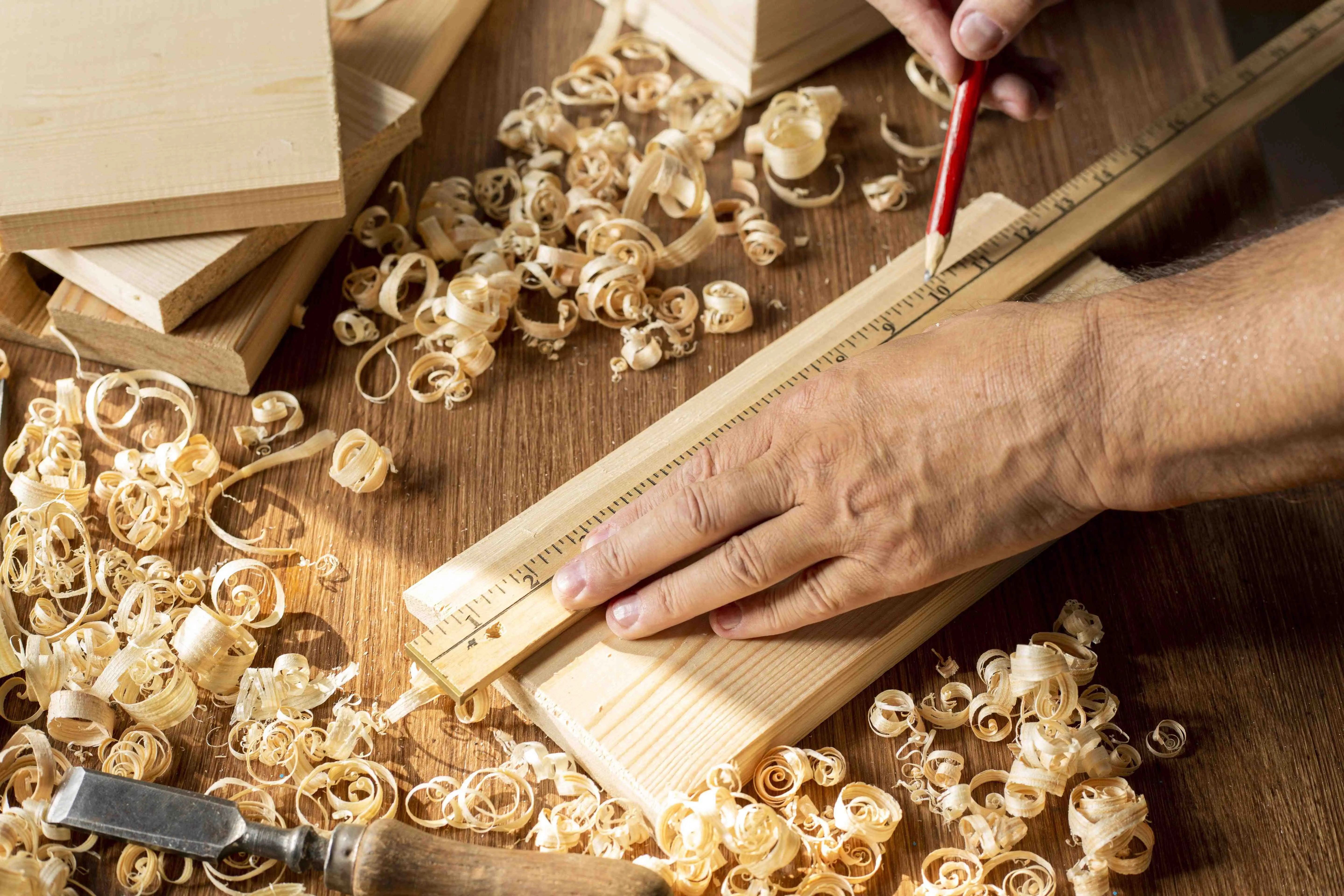
Introduction: In carpentry, time is money, and workflow is the pulse that keeps the business alive. Yet, many carpenters need help with a disjointed workflow, stifling efficiency and sapping the joy o...
.webp)
Introduction: Carpentry more than just a trade, is an art form. The journey to mastery involves constantly honing one"s skills, a voyage where every chisel stroke and nail-driven shapes not just ...
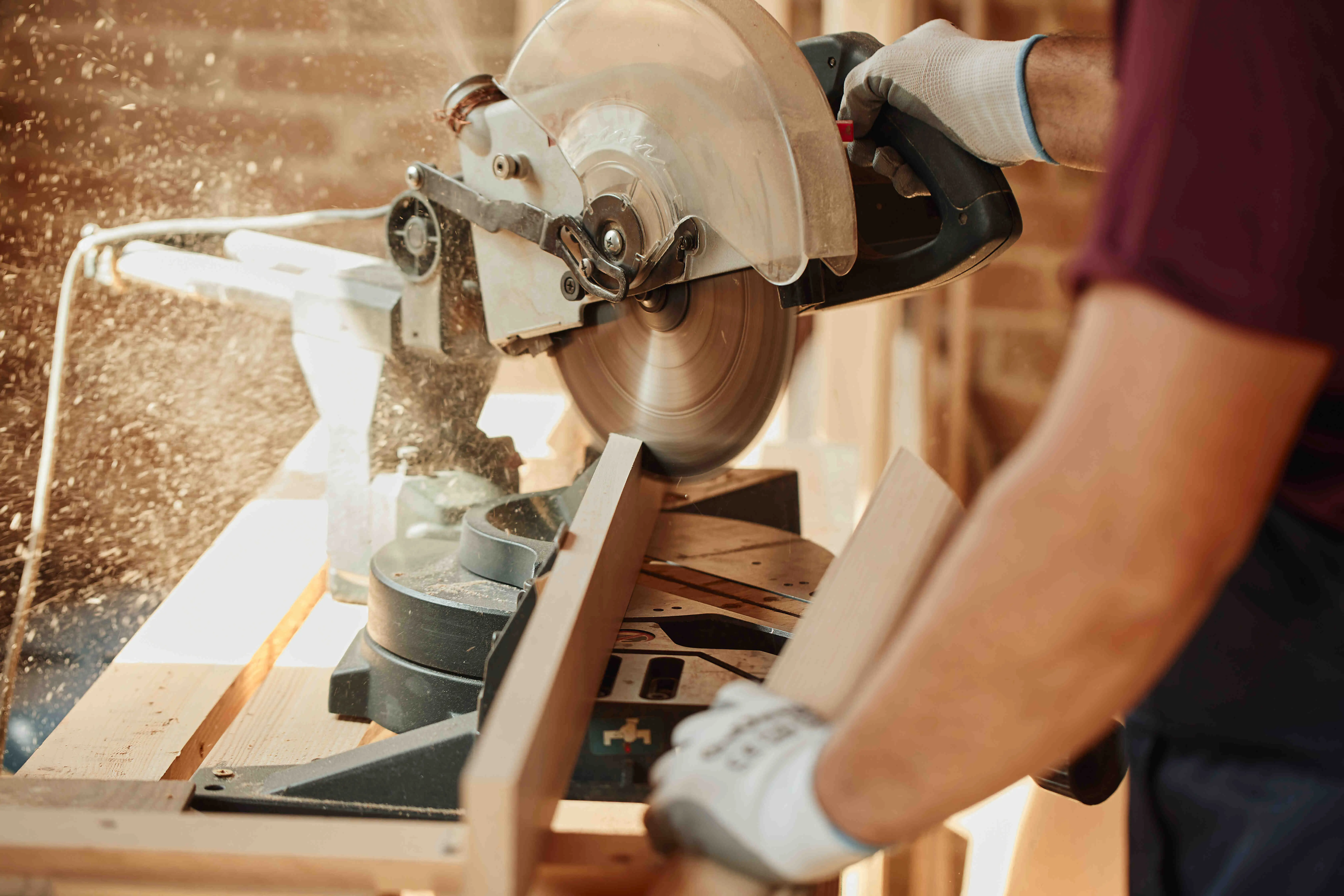
In the world of woodworking, every piece of timber tells a story - a tale of craftsmanship, dedication, and wisdom. For aspiring woodworkers and seasoned artisans alike, this blog is a collection of T...

In the world of woodworking, every piece crafted is a note in the symphony of a carpenter"s career. Yet, to compose a melodious tune, one must prioritize the conductor - their health and longevity. Th...
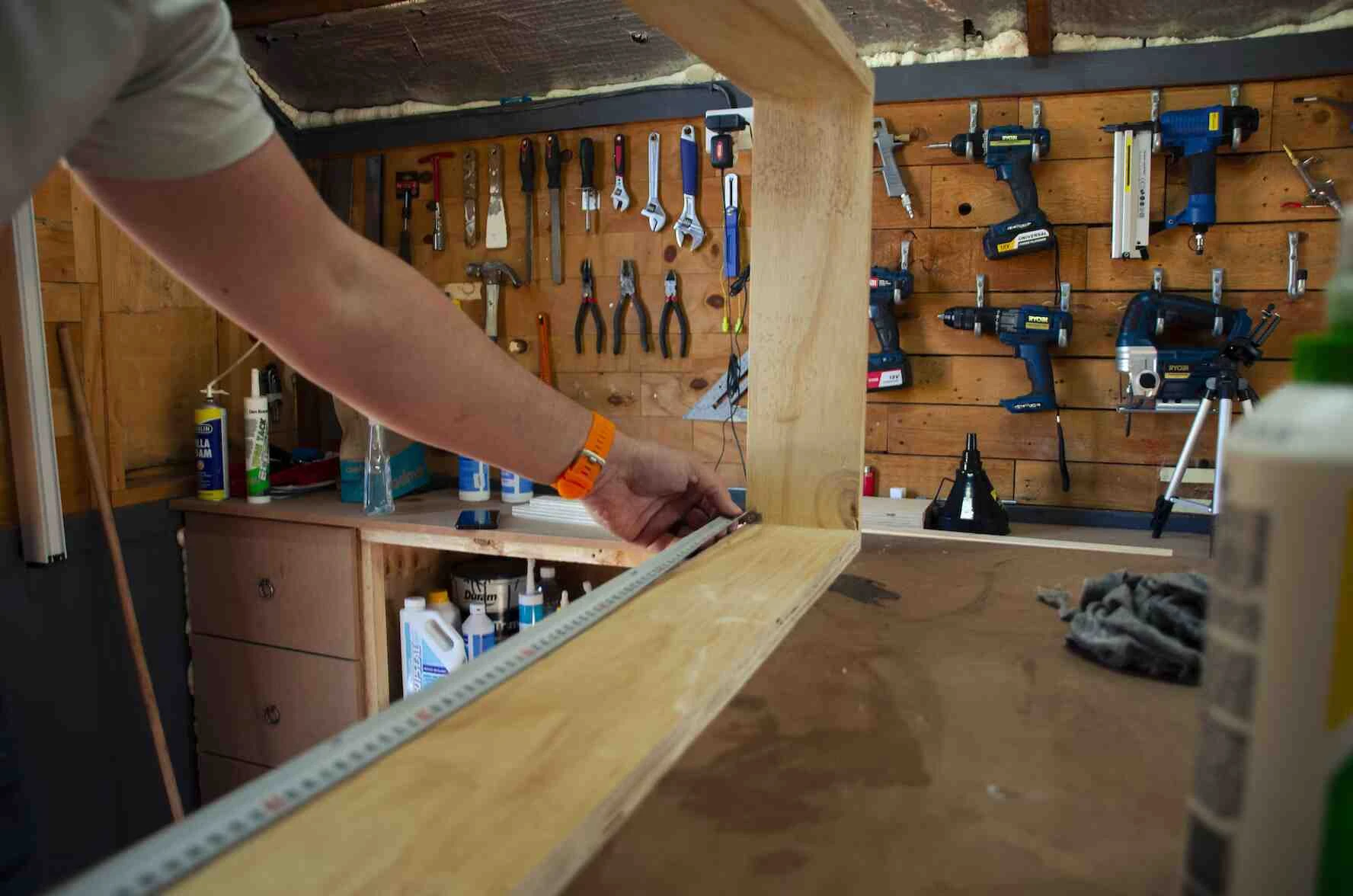
In carpentry, precision isn"t just about chiselling wood; it"s about chiselling a successful business. Financial stability and growth are the building blocks of a carpentry enterprise. Welcome to "Cra...

In the world of woodworking, creating something beautiful is not just an art—it"s a responsibility. A responsibility towards the craft, the client, and most importantly, the safety and well-bein...
Sign up to start winning an unlimited amount of jobs near you.


 Electrician
Gas Engineer
Electrician
Gas Engineer


Send more enquiries and explore your options
Increasing the number of potentials leads for you!
Have more control and flexibility over your finances!