


The Basics of Conservatory Roof Design
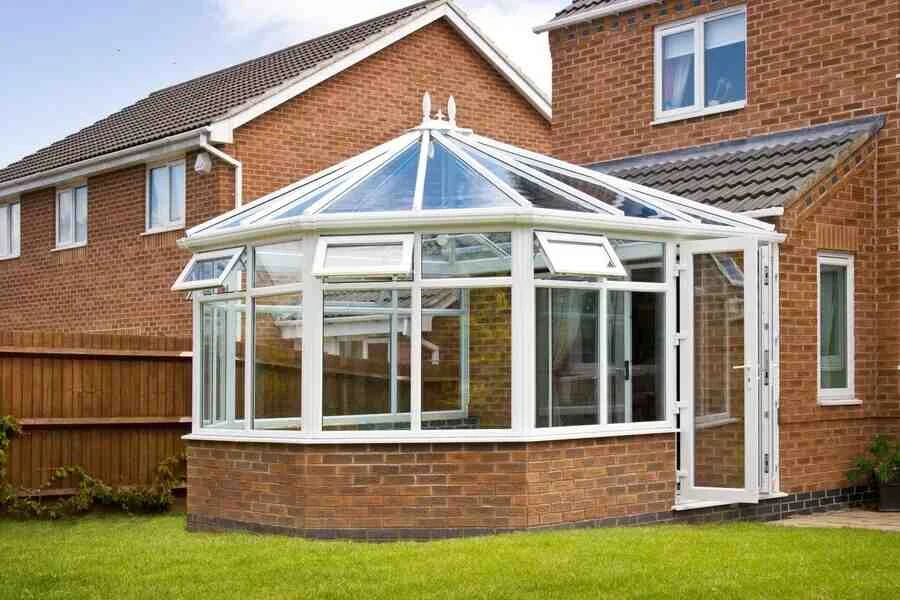
Conservatories come in various shapes and sizes, from the classic Victorian and Edwardian designs to more modern and minimalist structures. Regardless of the style, the roof is a fundamental part of the conservatory"s design. It plays a crucial role in the overall look and feel of the space and affects the comfort and usability of the room.
Materials Matter: The choice of materials for your conservatory roof is a critical decision. The most common options include glass and polycarbonate. Glass roofs are known for their elegant appearance and the way they flood the space with natural light. Polycarbonate roofs, on the other hand, are energy-efficient and offer better insulation. The choice depends on your aesthetic preferences, climate, and intended use of the conservatory.
Roof Style: The style of the roof should complement the overall design of your home and the purpose of the conservatory. For instance, a Victorian conservatory often features a sloped roof with ornate detailing, while a contemporary design might opt for a flat roof with clean lines.
Ventilation: Proper ventilation is essential for maintaining a comfortable environment in your conservatory. Consider adding roof vents or skylights to regulate temperature and air quality. This can also help prevent issues like condensation.
Glazing: When it comes to glass roofs, not all glass is created equal. There are various types of glazing options, such as self-cleaning glass, solar control glass, and even tinted glass, each offering unique benefits. These choices can enhance the performance and aesthetics of your conservatory.
A Symphony of Light and Space
One of the most captivating aspects of a conservatory is its ability to capture and channel natural light. A well-designed conservatory roof can transform a mundane room into a breathtaking oasis of sunlight. Here are some ways conservatory roof design embraces this aspect:
Maximizing Natural Light
Glass roofs are celebrated for their ability to flood the space with natural light. They create a sense of spaciousness and blur the lines between indoor and outdoor living. Whether you"re using your conservatory as a garden retreat, a dining area, or a home office, the abundance of natural light elevates the experience.
Controlling Sunlight
While sunlight is a precious resource, too much of it can make a conservatory unbearable in the summer. That"s where the art of design comes into play. Various techniques can be employed to control and manage sunlight, including the use of blinds, solar-reflective coatings on the glass, and even automated shading systems. These elements not only enhance comfort but also contribute to the overall design.
Year-Round Comfort and Energy Efficiency
A conservatory should be an enjoyable space throughout the year, not just when the weather is pleasant. The art of conservatory roof design also encompasses making the space comfortable and energy-efficient.
Thermal Efficiency
For a conservatory to be practical during the winter months, it must have adequate thermal insulation. The roof is a significant part of this equation. The glazing used should have good insulation properties to keep the warmth in and the cold out. This allows you to enjoy your conservatory even on chilly winter days.
Preventing Overheating
In the summer, conservatories can become uncomfortably hot. Proper ventilation and shading are essential, but the design of the roof itself can help. Choosing solar control glass or tinted glazing can significantly reduce heat gain while still allowing plenty of natural light.
Harmonizing with Your Home
Conservatory roof design isn"t just about the conservatory itself; it"s also about how it fits into the broader architectural context of your home.
Aesthetic Unity
The roof design should harmonize with the existing architectural style of your home. A seamless blend ensures that the conservatory doesn"t look like an afterthought but rather an integral part of the house.
Color and Material Coordination
The materials and colors used in the roof should coordinate with the rest of your home"s exterior. Whether you"re opting for a classic glass roof or a more modern choice, the materials should complement the overall color palette of your house.
The Future of Conservatory Roof Design
As technology advances and environmental concerns take center stage, conservatory roof design is evolving. The use of smart glass that can be controlled with the touch of a button or integrated into your home automation system is becoming more popular. Additionally, sustainable and energy-efficient materials are increasingly in demand as homeowners seek to reduce their carbon footprint.
Innovations in conservatory roof design are not just about aesthetics; they are about enhancing the functionality and sustainability of these spaces. The art of conservatory roof design is a blend of tradition and innovation, making it an exciting field in the world of architecture and home design.
Conclusion
The art of conservatory roof design is a captivating journey that combines aesthetics, functionality, and environmental considerations. It"s about creating a space that seamlessly blends the indoors with the outdoors, all while providing year-round comfort and energy efficiency. From choosing the right materials and glazing to controlling sunlight and harmonizing with your home"s style, every aspect of conservatory roof design is a piece of a larger puzzle.
A well-designed conservatory roof transforms a space into a haven of natural light and beauty. It"s a testament to human creativity and ingenuity, demonstrating that architecture can connect us with the natural world and enhance our quality of life. So, whether you"re planning to build a conservatory or simply appreciate the art of design, the conservatory roof is a canvas for creating stunning and functional spaces that truly stand the test of time.
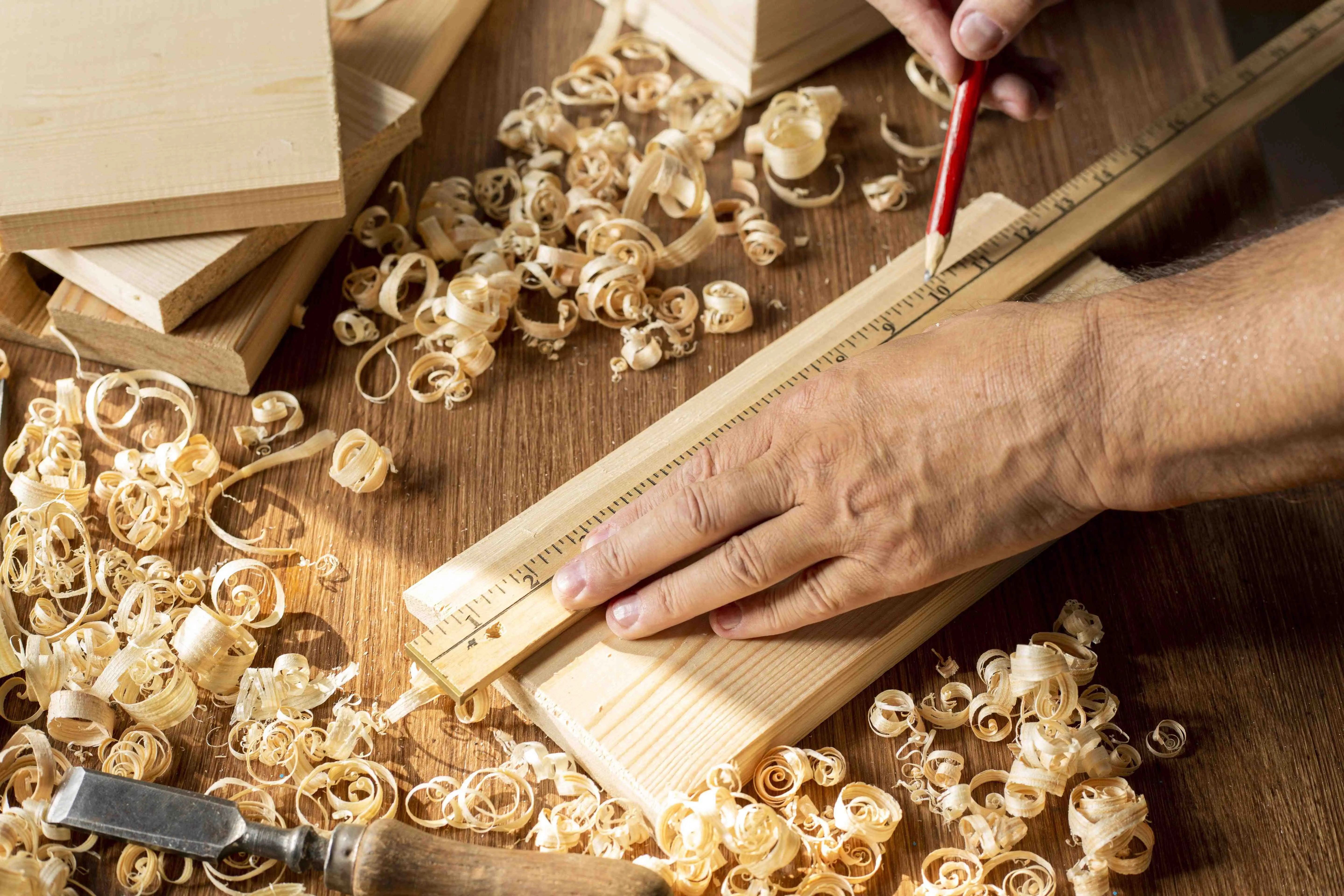
Introduction: In carpentry, time is money, and workflow is the pulse that keeps the business alive. Yet, many carpenters need help with a disjointed workflow, stifling efficiency and sapping the joy o...
.webp)
Introduction: Carpentry more than just a trade, is an art form. The journey to mastery involves constantly honing one"s skills, a voyage where every chisel stroke and nail-driven shapes not just ...
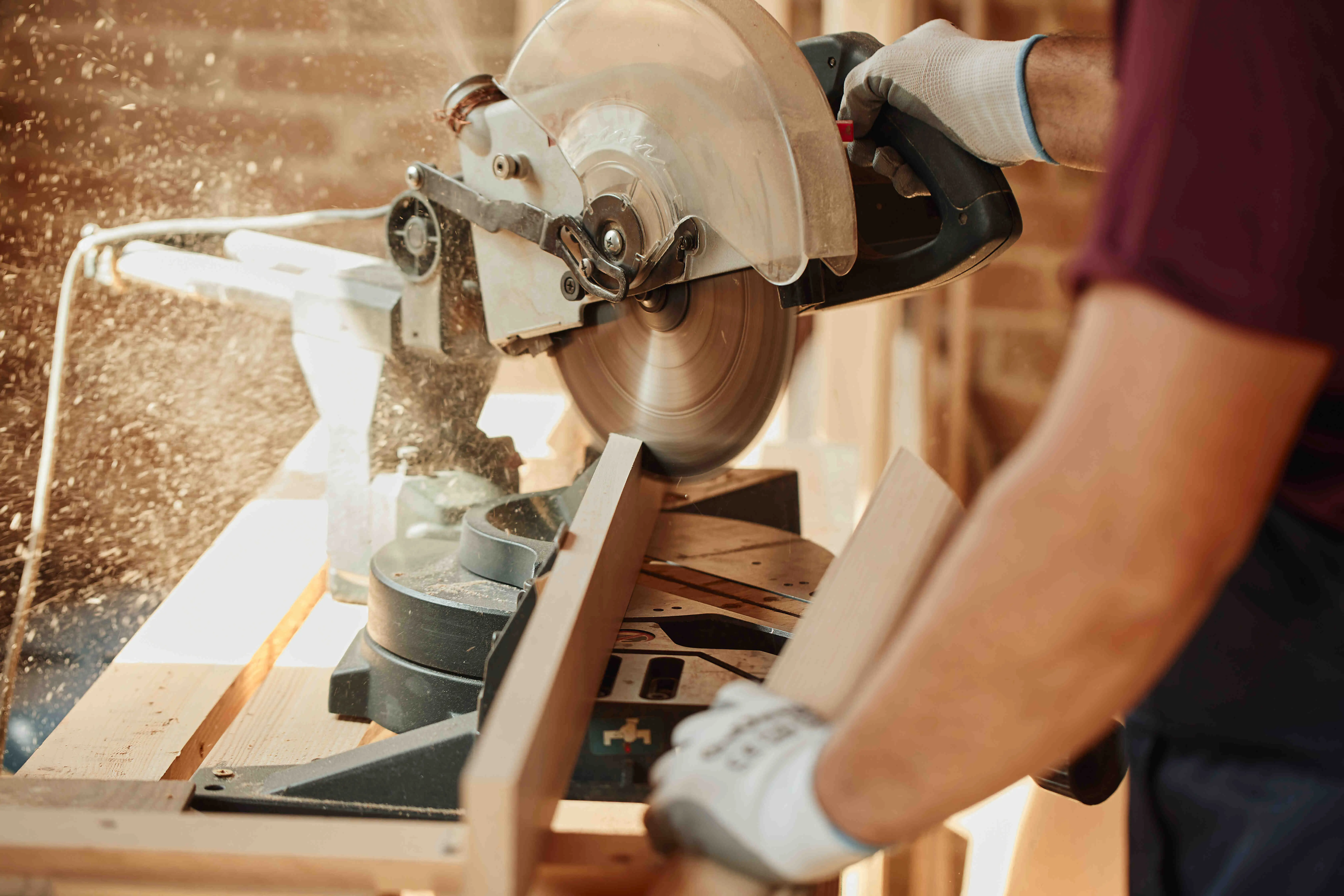
In the world of woodworking, every piece of timber tells a story - a tale of craftsmanship, dedication, and wisdom. For aspiring woodworkers and seasoned artisans alike, this blog is a collection of T...

In the world of woodworking, every piece crafted is a note in the symphony of a carpenter"s career. Yet, to compose a melodious tune, one must prioritize the conductor - their health and longevity. Th...
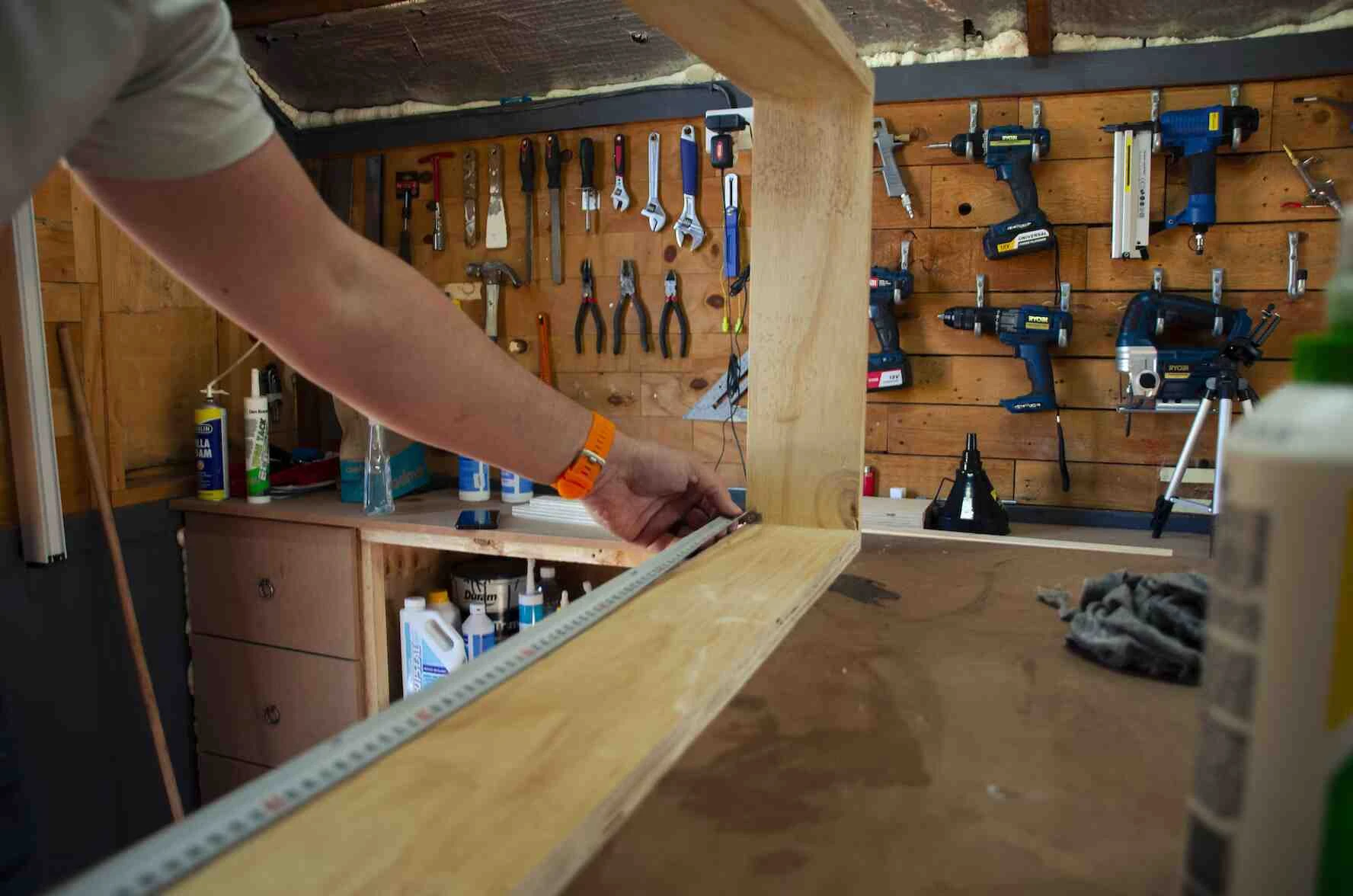
In carpentry, precision isn"t just about chiselling wood; it"s about chiselling a successful business. Financial stability and growth are the building blocks of a carpentry enterprise. Welcome to "Cra...

In the world of woodworking, creating something beautiful is not just an art—it"s a responsibility. A responsibility towards the craft, the client, and most importantly, the safety and well-bein...
Sign up to start winning an unlimited amount of jobs near you.


 Electrician
Gas Engineer
Electrician
Gas Engineer


Send more enquiries and explore your options
Increasing the number of potentials leads for you!
Have more control and flexibility over your finances!