



### 1. Digital Tools for Design and Planning
Plasterers are increasingly turning to digital tools for design and planning. Computer-aided design (CAD) software and 3D modeling programs allow professionals to create detailed and precise plasterwork designs. These tools not only enhance creativity but also aid in visualizing the final product before any plaster is applied to the wall or ceiling. As a result, clients can have a clearer idea of the outcome, reducing misunderstandings and changes during the project.
### 2. 3D Printing for Custom Plasterwork
3D printing is revolutionizing the plastering industry, especially for creating custom ornamental plasterwork. Plasterers can now use 3D printers to produce intricate molds and patterns with incredible precision. This technology enables the replication of even the most complex designs quickly and cost-effectively. Whether it"s intricate cornices, ceiling roses, or decorative wall panels, 3D printing is redefining the possibilities of plastering.
### 3. Automated Plastering Machines
Automated plastering machines are making their way into the industry, automating the process of applying plaster to walls and ceilings. These machines can significantly increase efficiency by reducing labor costs and ensuring a consistent finish. While traditional craftsmanship will always be important in plastering, these machines are invaluable for large-scale projects where speed and uniformity are critical.
### 4. Sustainable Plastering Solutions
Environmental concerns have become increasingly important in the construction industry, and plastering is no exception. The development of sustainable plastering materials and techniques is a notable trend. Plasterers are exploring eco-friendly alternatives such as lime plaster, which is more environmentally friendly than cement-based plaster. Additionally, waste reduction and responsible sourcing of materials are becoming standard practices in the industry.
### 5. Smart Monitoring and Quality Control
The use of technology for quality control is also on the rise. Plasterers are employing sensors and monitoring systems to ensure the correct application of plaster and to detect potential issues such as cracks, moisture, or uneven surfaces. These smart systems can save time and money by addressing problems early in the construction process.
### 6. Training and Education through Virtual Reality
Virtual reality (VR) and augmented reality (AR) are increasingly being used in the plastering industry for training and education. Apprentices and experienced plasterers alike can benefit from immersive VR simulations that help hone their skills and teach them about new techniques. AR can also provide real-time guidance and instructions during a plastering project, reducing errors and improving efficiency.
### 7. Online Project Management and Communication Tools
Plasterers are adopting online project management and communication tools to streamline their work. These platforms allow for efficient collaboration between clients, contractors, architects, and plasterers. They facilitate document sharing, scheduling, and progress tracking, making project management more transparent and organized.
In conclusion, technological advances are rapidly changing the landscape of the plastering industry. From digital design tools to 3D printing, automation, sustainability, and smart monitoring, these innovations are enhancing the efficiency, quality, and sustainability of plastering projects. As these technologies continue to evolve, plasterers will be better equipped to meet the demands of an ever-changing construction industry and create exceptional plasterwork that combines traditional craftsmanship with the benefits of cutting-edge technology.
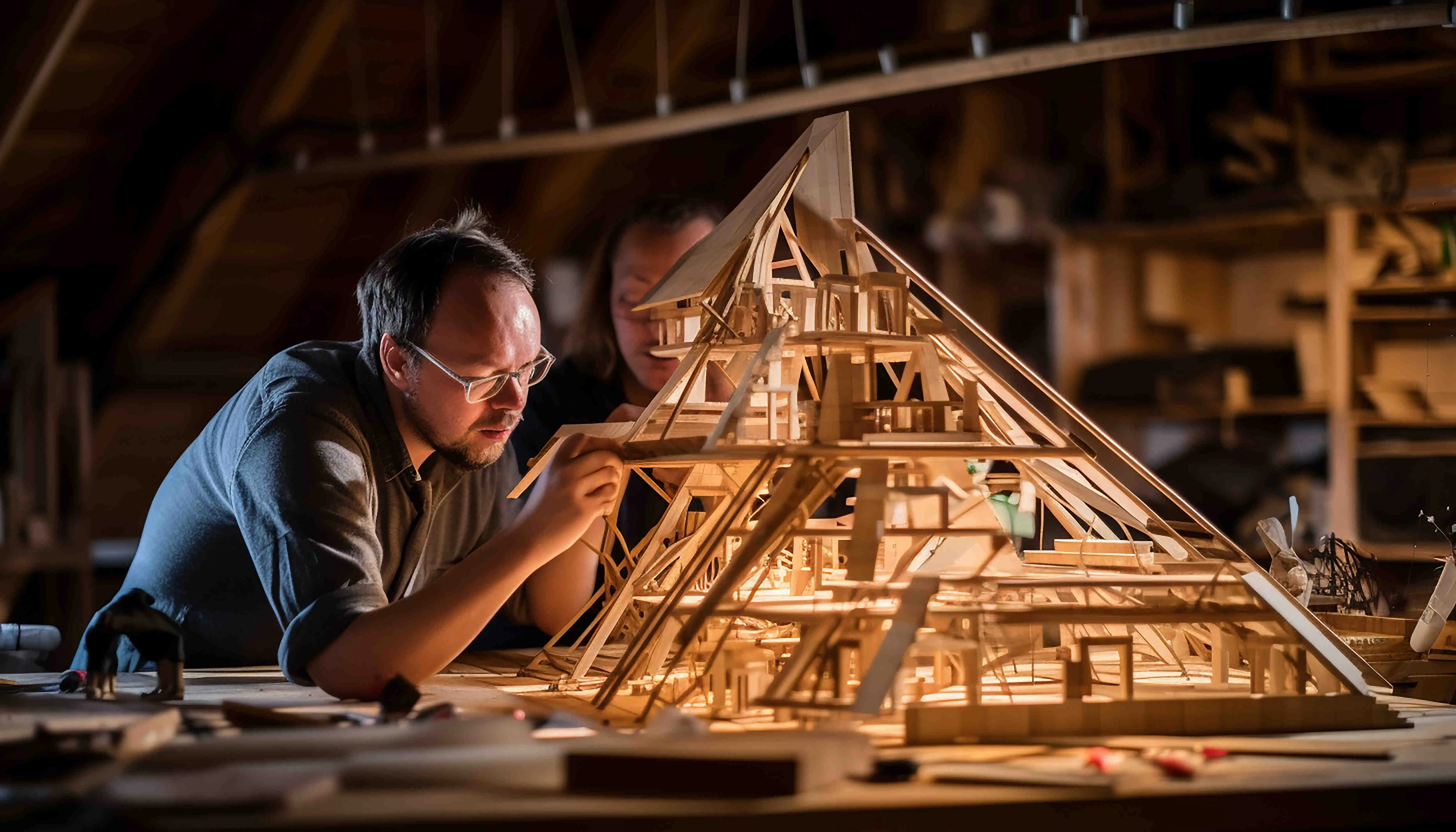
The world of carpentry is buzzing with innovations, trends, and transformative technologies. For carpenters, keeping up with these changes isn"t just about staying ahead in the game; it"s about ensuri...

In an era where technology weaves through every facet of our lives, the carpentry profession is no exception to its transformative power. Welcome to "Carpentry Chronicles," a blog series dedicated to ...

Welcome to "Carpentry Chronicles," a blog series dedicated to navigating the ever-evolving landscape of carpentry. In this edition, we dive into a trend reshaping the carpentry domain—customizat...

In the bustling world of carpentry, safety isn"t just a precaution; it"s a fundamental necessity. Welcome to "Carpentry Chronicles," a blog series committed to navigating the ever-evolving landscape o...

In carpentry, where wood meets creativity, mastery is not just a goal; it"s a journey. Welcome to "Carpentry Chronicles," a blog series that peels back the layers of carpentry to reveal the artistry a...
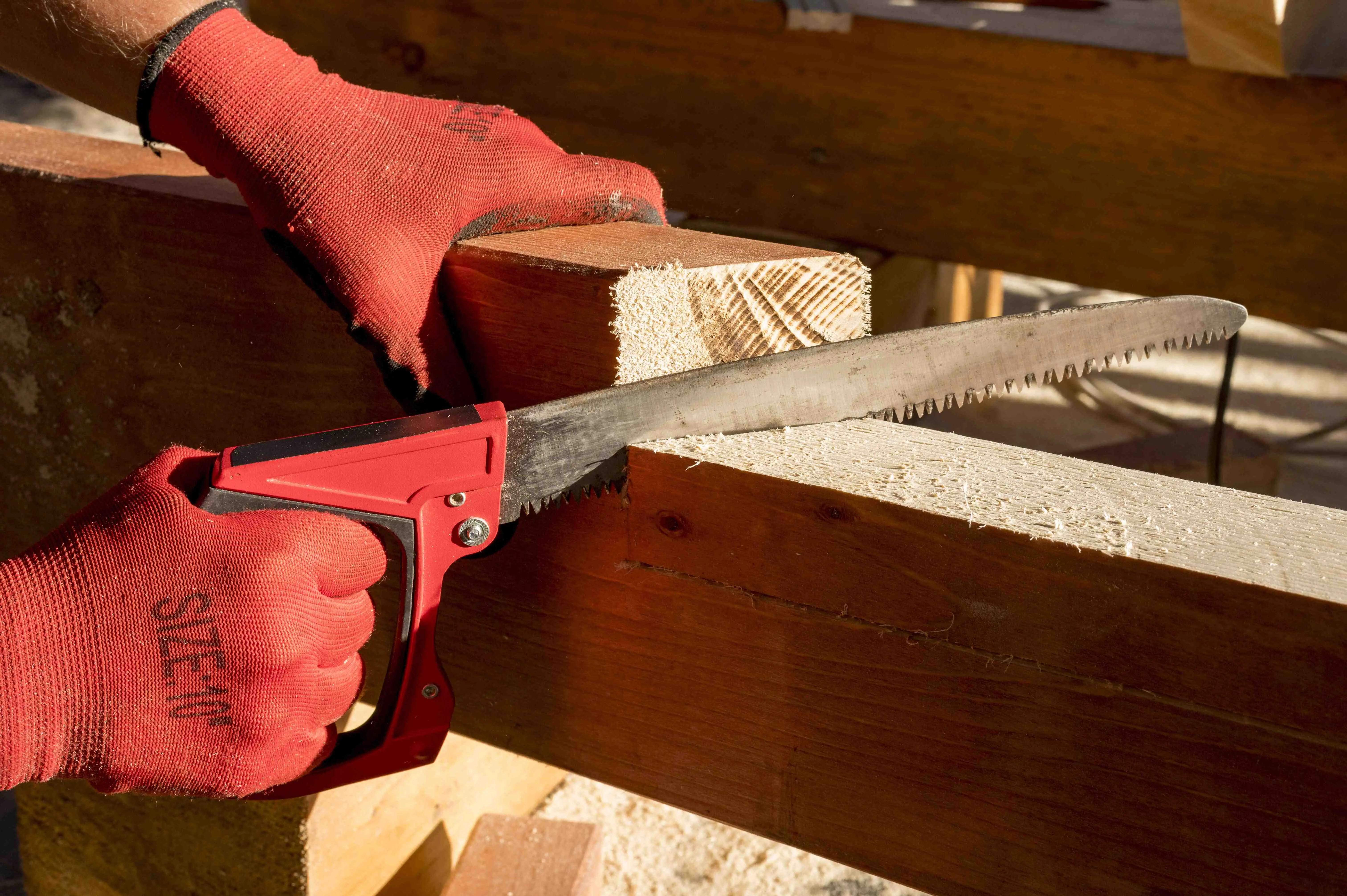
In the ever-evolving design landscape, where trends come and go, one element stands timeless—wood. Welcome to "Carpentry Chronicles," a blog series committed to navigating the dynamic world of c...
Sign up to start winning an unlimited amount of jobs near you.


 Electrician
Gas Engineer
Electrician
Gas Engineer


Send more enquiries and explore your options
Increasing the number of potentials leads for you!
Have more control and flexibility over your finances!