


1. Smart Locks and Digital Access Control:
Smart locks have gained widespread popularity in the UK. These locks can be controlled and monitored remotely through smartphones or other connected devices. They offer various benefits, including the ability to grant access to guests or service providers without the need for physical keys, enhancing security and convenience.
2. Keyless Entry Systems:
Keyless entry systems, often using biometric authentication or PIN codes, are becoming increasingly common. These systems offer a higher level of security and are less susceptible to lock-picking or unauthorized key duplication.
3. Electronic Key Management:
Locksmiths now use electronic key management systems to control and track keys more efficiently. These systems provide detailed records of who has accessed keys, when, and for what purpose, improving accountability.
4. 3D Printing for Key Duplication:
Innovations in 3D printing technology have made it possible to duplicate keys with high precision. Locksmiths can create replacement keys for clients without the need to maintain extensive physical key blanks.
5. Security Cameras and Surveillance Systems:
Locksmiths are increasingly involved in the installation of security cameras and surveillance systems. This extends their services beyond traditional lock and key work, providing comprehensive security solutions to their clients.
6. GPS Tracking for Locksmith Vehicles:
GPS tracking technology allows locksmiths to optimize their routes, reduce fuel consumption, and respond more efficiently to service calls. This technology has become indispensable for mobile locksmiths.
7. Advanced Lock Picking Tools:
Technological advances have also benefited locksmiths in terms of lock-picking tools. High-tech lock-picking kits with advanced features, such as built-in cameras and adjustable tension settings, aid locksmiths in their work.
8. Mobile Apps for Locksmith Services:
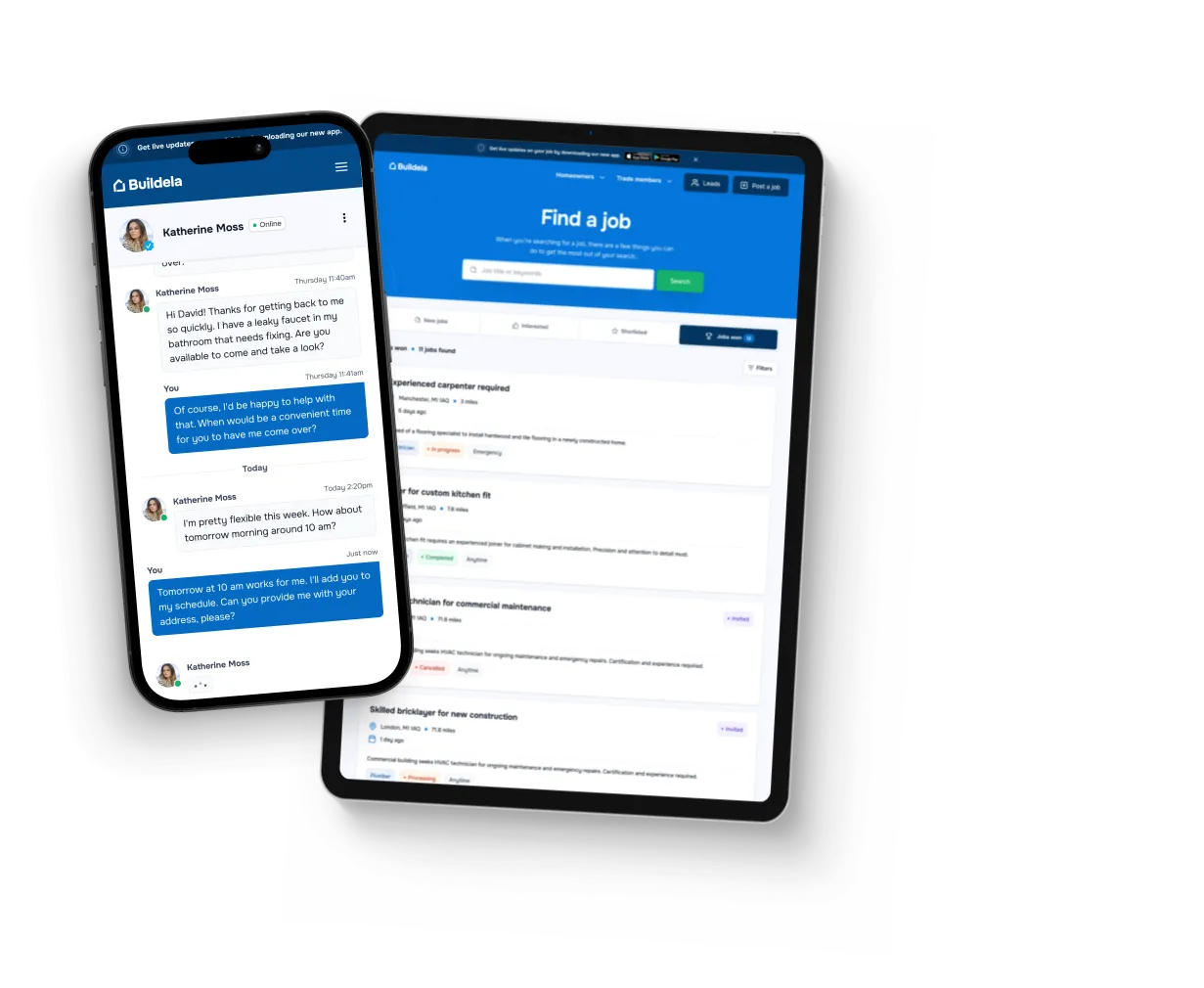
Many locksmiths in the UK have developed mobile apps for scheduling appointments, providing quotes, and offering guidance on common lock and key issues. These apps improve customer engagement and accessibility.
9. Secure Communication Channels:
With an increased emphasis on data privacy, locksmiths have adopted secure communication channels to protect customer data. End-to-end encryption and secure messaging platforms ensure that sensitive information remains confidential.
10. Training and Education with E-Learning:
The locksmithing industry now utilizes e-learning platforms and virtual reality simulations for training and education. This allows locksmiths to stay updated on the latest technologies and techniques without the need for physical classes.
11. Integration with Home Automation Systems:
Locksmiths often integrate smart locks and security systems with home automation platforms, allowing homeowners to control various aspects of their home"s security and access from a single interface.
12. Blockchain for Key Security:
Blockchain technology is being explored to enhance the security of digital keys and access control systems. The immutability and transparency of blockchain can add an extra layer of protection.
In conclusion, the locksmithing industry in the UK is experiencing a significant technological transformation. These innovations are enhancing security, increasing efficiency, and expanding the range of services locksmiths can offer. As technology continues to evolve, locksmiths are adapting and embracing these advancements to provide clients with the highest level of security and convenience. For consumers, this means greater peace of mind and improved protection for their homes and businesses. The future of locksmithing in the UK is undoubtedly linked with the continued integration of technology.
The world of carpentry is buzzing with innovations, trends, and transformative technologies. For carpenters, keeping up with these changes isn"t just about staying ahead in the game; it"s about ensuri...

In an era where technology weaves through every facet of our lives, the carpentry profession is no exception to its transformative power. Welcome to "Carpentry Chronicles," a blog series dedicated to ...

Welcome to "Carpentry Chronicles," a blog series dedicated to navigating the ever-evolving landscape of carpentry. In this edition, we dive into a trend reshaping the carpentry domain—customizat...

In the bustling world of carpentry, safety isn"t just a precaution; it"s a fundamental necessity. Welcome to "Carpentry Chronicles," a blog series committed to navigating the ever-evolving landscape o...

In carpentry, where wood meets creativity, mastery is not just a goal; it"s a journey. Welcome to "Carpentry Chronicles," a blog series that peels back the layers of carpentry to reveal the artistry a...

In the ever-evolving design landscape, where trends come and go, one element stands timeless—wood. Welcome to "Carpentry Chronicles," a blog series committed to navigating the dynamic world of c...
Sign up to start winning an unlimited amount of jobs near you.


 Electrician
Gas Engineer
Electrician
Gas Engineer


Send more enquiries and explore your options
Increasing the number of potentials leads for you!
Have more control and flexibility over your finances!