


1. Define Zones with Furniture
One of the primary challenges when creating an open-plan living space is defining distinct zones for different activities while maintaining a sense of openness. To achieve this, use furniture strategically. For example, placing a sofa with its back facing the dining area can subtly separate the living room from the dining space. Use area rugs or change in flooring materials to further demarcate zones. This technique ensures a sense of purpose for each area without the need for physical walls.
2. Choose a Unified Color Palette
Creating a cohesive look throughout the open-plan space is essential. Select a unified color palette that flows seamlessly from one zone to the next. Neutral colors such as whites, grays, or soft pastels work well in open-plan spaces as they make the area feel more spacious and airy. You can then add pops of color through decor items, such as throw pillows, artwork, or accent furniture.
3. Utilize Lighting Thoughtfully
Effective lighting can enhance the functionality and aesthetics of your open-plan living space. Combine various lighting sources like overhead fixtures, pendant lights, floor lamps, and task lighting to create a layered lighting design. Use dimmers to adjust the light levels according to the time of day or the mood you want to create. Proper lighting can help define zones, create focal points, and add warmth and ambiance to the space.
4. Consider Built-In Storage
In open-plan living spaces, clutter can quickly become an issue. Built-in storage solutions can help maintain a clean and organized appearance. Consider incorporating built-in shelves, cabinets, and storage units that blend seamlessly with the overall design. This not only provides practical storage but also enhances the aesthetics of the space.
5. Use Multi-Functional Furniture
When designing open-plan living spaces, multi-functional furniture can be a game-changer. Pieces like a dining table that can double as a workspace, a sofa bed for accommodating guests, or a coffee table with storage can save space and add versatility to your layout. These items are especially valuable in smaller open-plan homes where every inch of space counts.
6. Connect the Indoor and Outdoor Spaces
If you have access to an outdoor area like a patio or a garden, consider ways to merge the indoor and outdoor spaces. Large glass doors, sliding walls, or even a strategically placed window can help achieve this connection. When done effectively, it can make your open-plan living space feel even more expansive and provide a seamless transition between the two areas.
7. Incorporate Natural Elements
Bringing natural elements into your open-plan living space can create a soothing and harmonious atmosphere. Use materials like wood, stone, and plants to connect with the outdoors and add a sense of vitality to the interior. Houseplants, in particular, can bring life and color to your space while improving air quality.
Conclusion
Designing open-plan living spaces requires thoughtful consideration of layout, color, lighting, and functionality. These techniques can help you create a space that feels open, welcoming, and visually connected. By utilizing furniture, color palettes, lighting, storage solutions, multi-functional furniture, and elements of nature, you can transform your home into a harmonious and stylish environment. Whether you have a small apartment or a spacious house, these techniques can be adapted to suit your unique needs and preferences, making open-plan living a delightful and functional design choice for modern living.
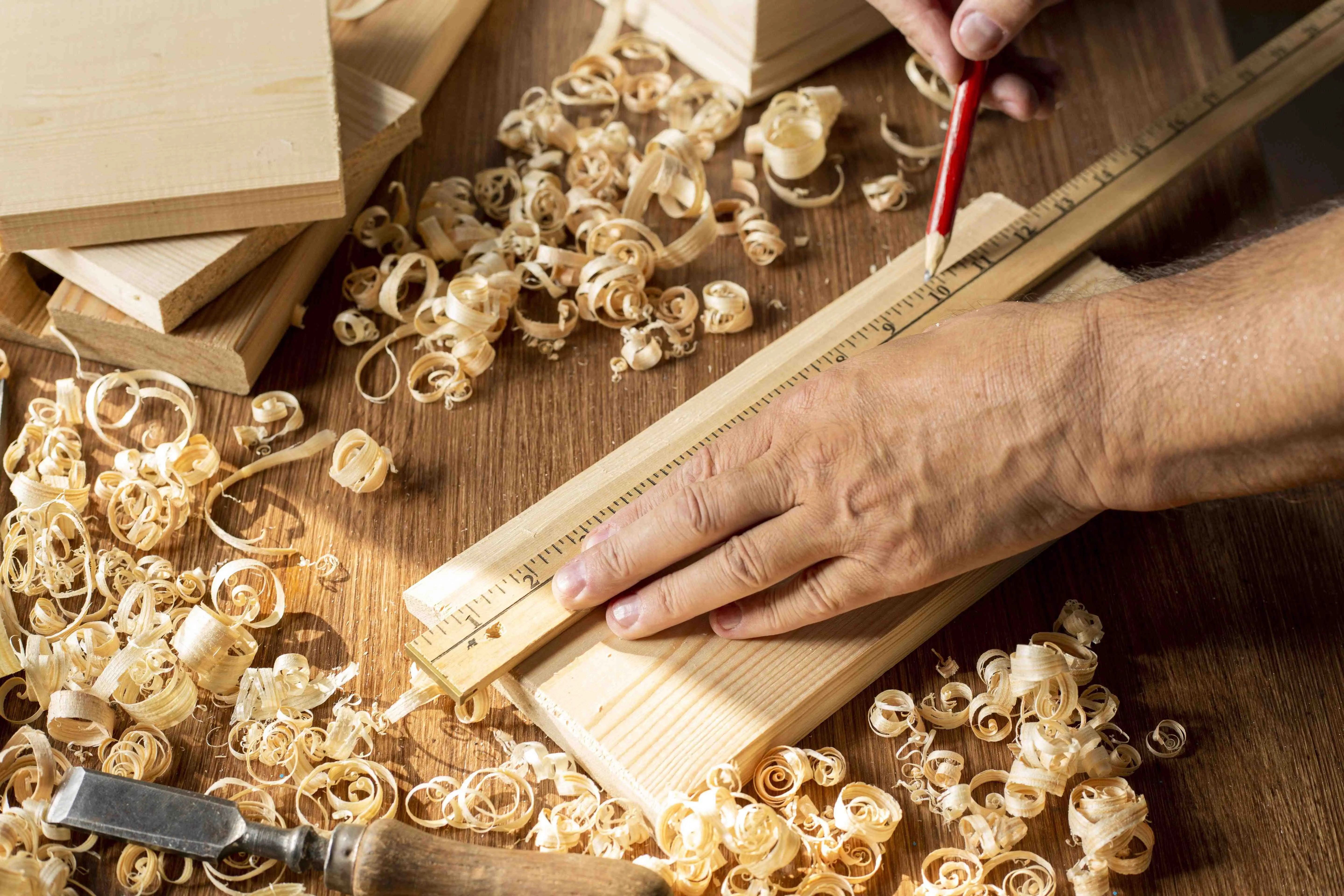
Introduction: In carpentry, time is money, and workflow is the pulse that keeps the business alive. Yet, many carpenters need help with a disjointed workflow, stifling efficiency and sapping the joy o...
.webp)
Introduction: Carpentry more than just a trade, is an art form. The journey to mastery involves constantly honing one"s skills, a voyage where every chisel stroke and nail-driven shapes not just ...

In the world of woodworking, every piece of timber tells a story - a tale of craftsmanship, dedication, and wisdom. For aspiring woodworkers and seasoned artisans alike, this blog is a collection of T...

In the world of woodworking, every piece crafted is a note in the symphony of a carpenter"s career. Yet, to compose a melodious tune, one must prioritize the conductor - their health and longevity. Th...
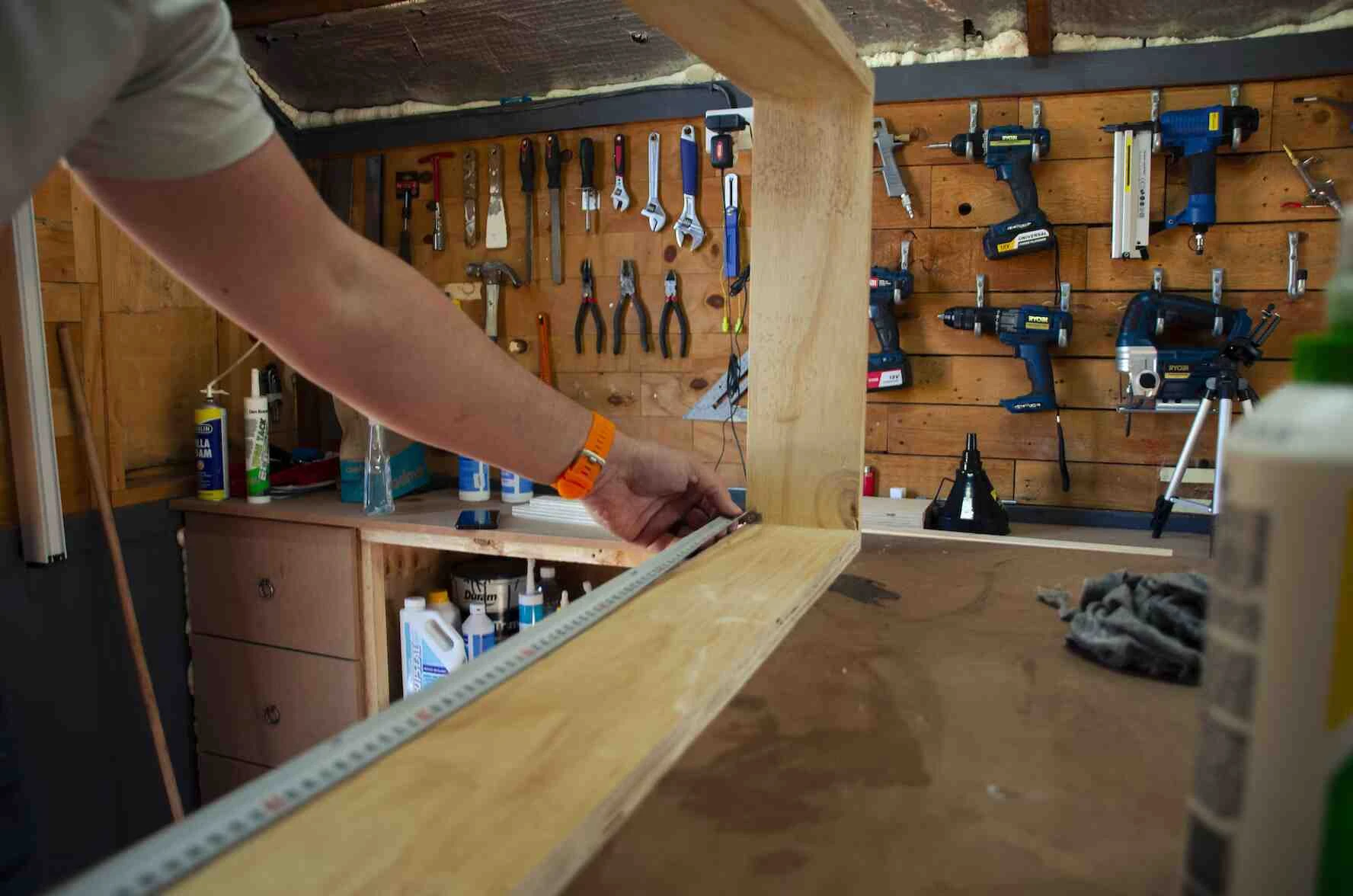
In carpentry, precision isn"t just about chiselling wood; it"s about chiselling a successful business. Financial stability and growth are the building blocks of a carpentry enterprise. Welcome to "Cra...

In the world of woodworking, creating something beautiful is not just an art—it"s a responsibility. A responsibility towards the craft, the client, and most importantly, the safety and well-bein...
Sign up to start winning an unlimited amount of jobs near you.


 Electrician
Gas Engineer
Electrician
Gas Engineer


Send more enquiries and explore your options
Increasing the number of potentials leads for you!
Have more control and flexibility over your finances!