


Sustainable Practices Trends
1. Adaptive Reuse and Historic Preservation
One of the most prominent trends in sustainable construction conversion engineering is the adaptive reuse of existing structures. Instead of demolishing buildings and creating new ones, this approach preserves the historical and architectural value of older constructions while repurposing them for modern needs. This minimizes waste and reduces the environmental impact of construction.
2. Energy Efficiency
Energy efficiency is a key focus in sustainable construction conversion. Projects incorporate energy-efficient technologies, such as LED lighting, smart HVAC systems, and insulation improvements, to reduce energy consumption. Additionally, passive design strategies, like maximizing natural light and ventilation, are being employed to decrease the need for artificial lighting and cooling.
3. Green Building Materials
Sustainable conversion projects prioritize the use of eco-friendly building materials. This includes recycled and reclaimed materials, sustainably sourced wood, low VOC (volatile organic compound) paints, and energy-efficient windows. The goal is to reduce the carbon footprint of the construction process while promoting a healthier indoor environment.
4. Solar Panels and Renewable Energy
Integrating renewable energy sources, particularly solar panels, is a growing trend in sustainable conversion engineering. Older buildings are being retrofitted with solar panels to harness clean energy and reduce dependence on non-renewable sources. This not only reduces greenhouse gas emissions but also lowers long-term energy costs.
5. Water Conservation
Sustainable conversion projects implement water-saving measures, such as low-flow fixtures, rainwater harvesting systems, and greywater recycling. These practices reduce water consumption, minimize strain on local water resources, and decrease water treatment and distribution costs.
Benefits of Sustainable Practices
1. Environmental Impact Reduction
Sustainable construction conversion practices significantly reduce the environmental impact of renovation and repurposing. By minimizing waste generation and energy consumption, these projects help lower greenhouse gas emissions and decrease resource depletion.
2. Cost Savings
Sustainable practices can lead to long-term cost savings. Energy-efficient systems reduce utility bills, and the use of sustainable materials and design strategies can lower maintenance costs. Tax incentives and rebates for sustainable building practices can also offer financial benefits.
3. Improved Indoor Air Quality
The use of low VOC paints, non-toxic materials, and proper ventilation in sustainable conversion projects leads to improved indoor air quality. This is particularly essential for residential and commercial spaces, contributing to occupant health and well-being.
4. Preservation of Cultural Heritage
Historical buildings that undergo sustainable conversion not only retain their architectural and cultural significance but also contribute to the preservation of our heritage. This approach maintains the character of communities and showcases their history.
5. Regulatory Compliance and Marketability
Sustainable construction conversion practices often align with building codes and regulations related to energy efficiency and environmental standards. Meeting these requirements can enhance the marketability and value of properties.
Conclusion
Sustainable practices in construction conversion engineering represent a critical step towards mitigating the environmental impacts of construction and reducing the carbon footprint of existing structures. By embracing adaptive reuse, energy efficiency, green building materials, and renewable energy sources, these practices not only benefit the environment but also offer financial savings, improved indoor air quality, and the preservation of our cultural heritage. As the world continues to prioritize sustainability, the adoption of these trends in construction conversion engineering is set to expand, reshaping the way we repurpose and adapt existing structures for a more eco-friendly future.
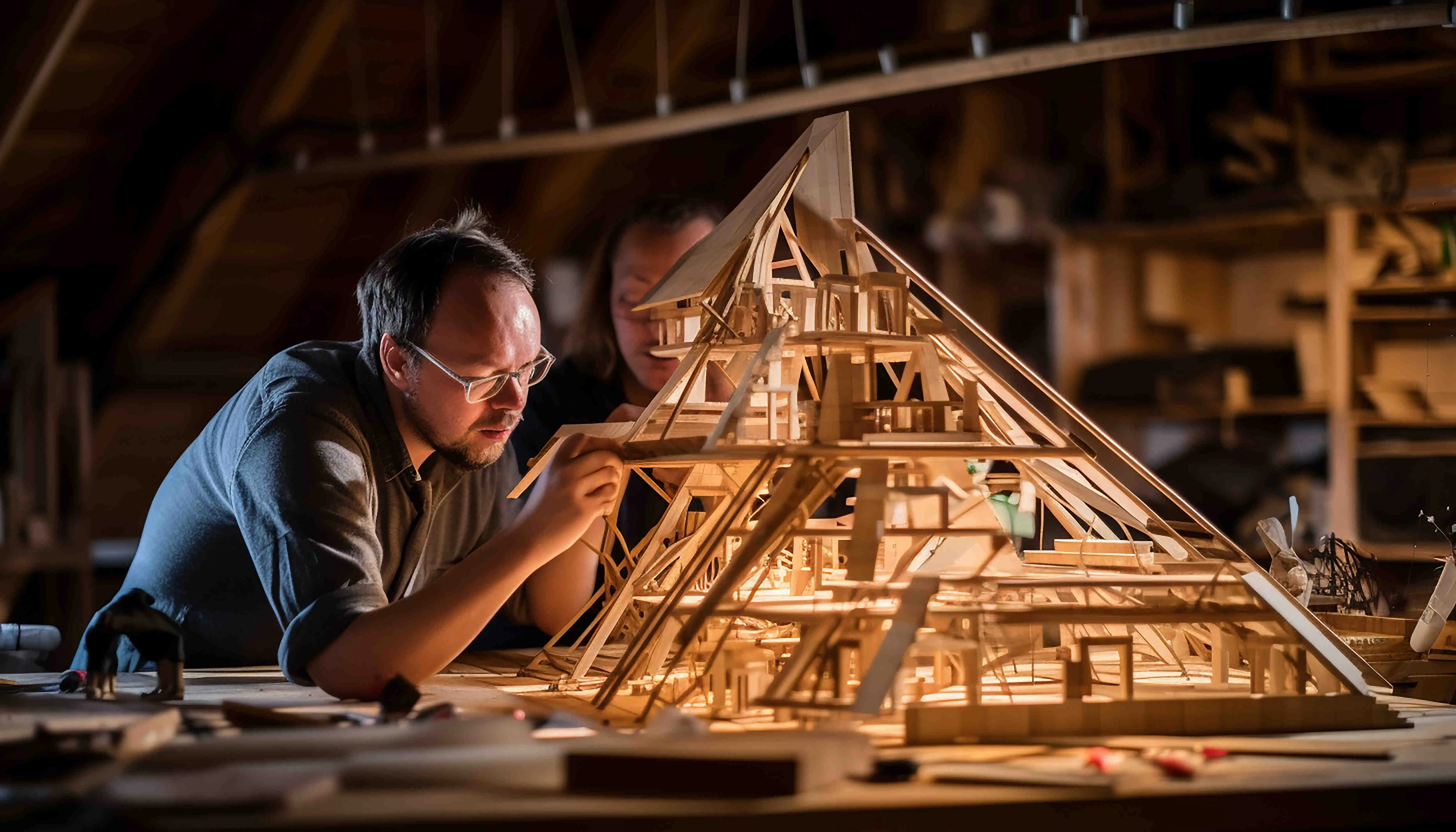
The world of carpentry is buzzing with innovations, trends, and transformative technologies. For carpenters, keeping up with these changes isn"t just about staying ahead in the game; it"s about ensuri...

In an era where technology weaves through every facet of our lives, the carpentry profession is no exception to its transformative power. Welcome to "Carpentry Chronicles," a blog series dedicated to ...

Welcome to "Carpentry Chronicles," a blog series dedicated to navigating the ever-evolving landscape of carpentry. In this edition, we dive into a trend reshaping the carpentry domain—customizat...

In the bustling world of carpentry, safety isn"t just a precaution; it"s a fundamental necessity. Welcome to "Carpentry Chronicles," a blog series committed to navigating the ever-evolving landscape o...

In carpentry, where wood meets creativity, mastery is not just a goal; it"s a journey. Welcome to "Carpentry Chronicles," a blog series that peels back the layers of carpentry to reveal the artistry a...
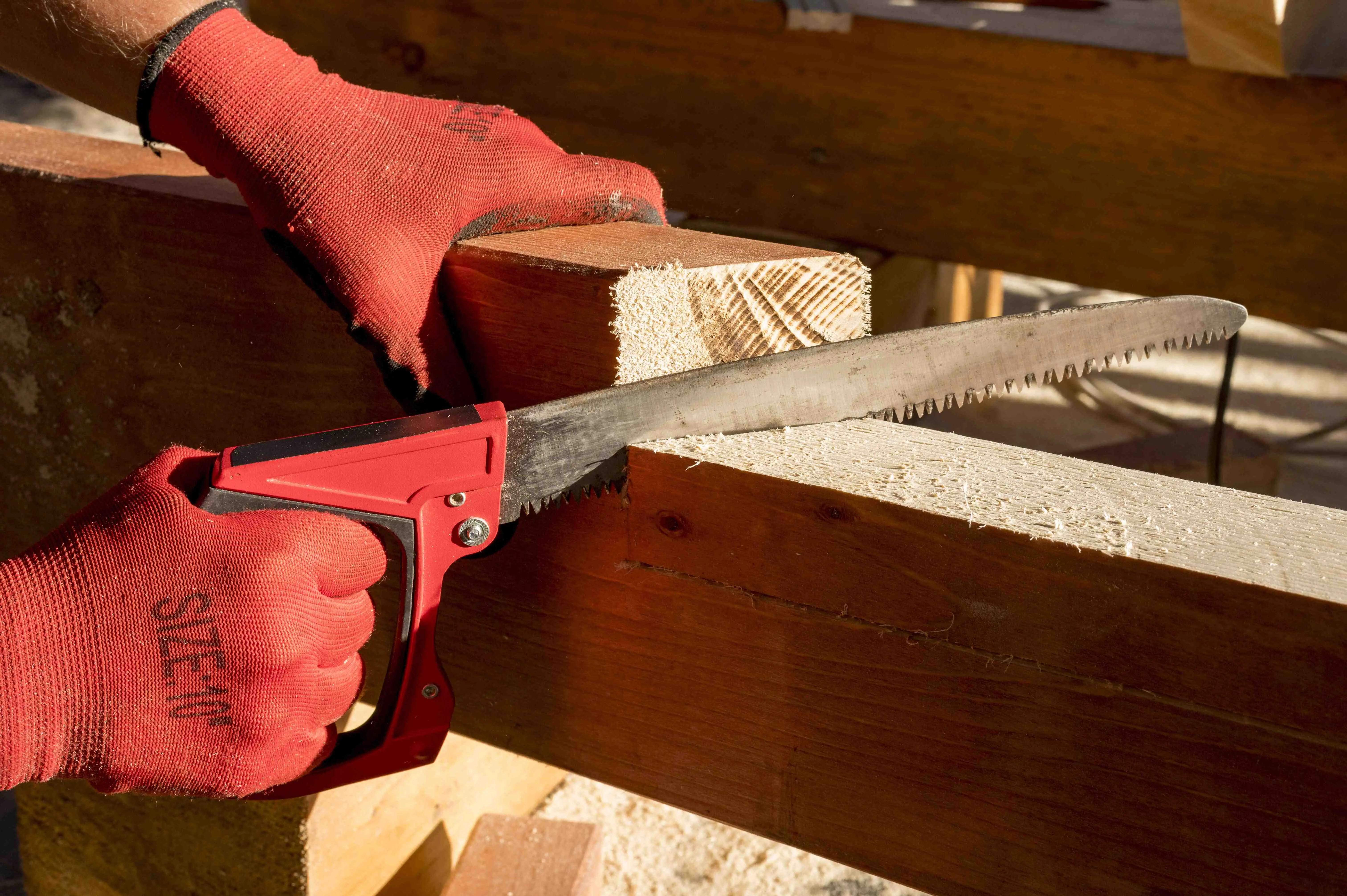
In the ever-evolving design landscape, where trends come and go, one element stands timeless—wood. Welcome to "Carpentry Chronicles," a blog series committed to navigating the dynamic world of c...
Sign up to start winning an unlimited amount of jobs near you.


 Electrician
Gas Engineer
Electrician
Gas Engineer


Send more enquiries and explore your options
Increasing the number of potentials leads for you!
Have more control and flexibility over your finances!