


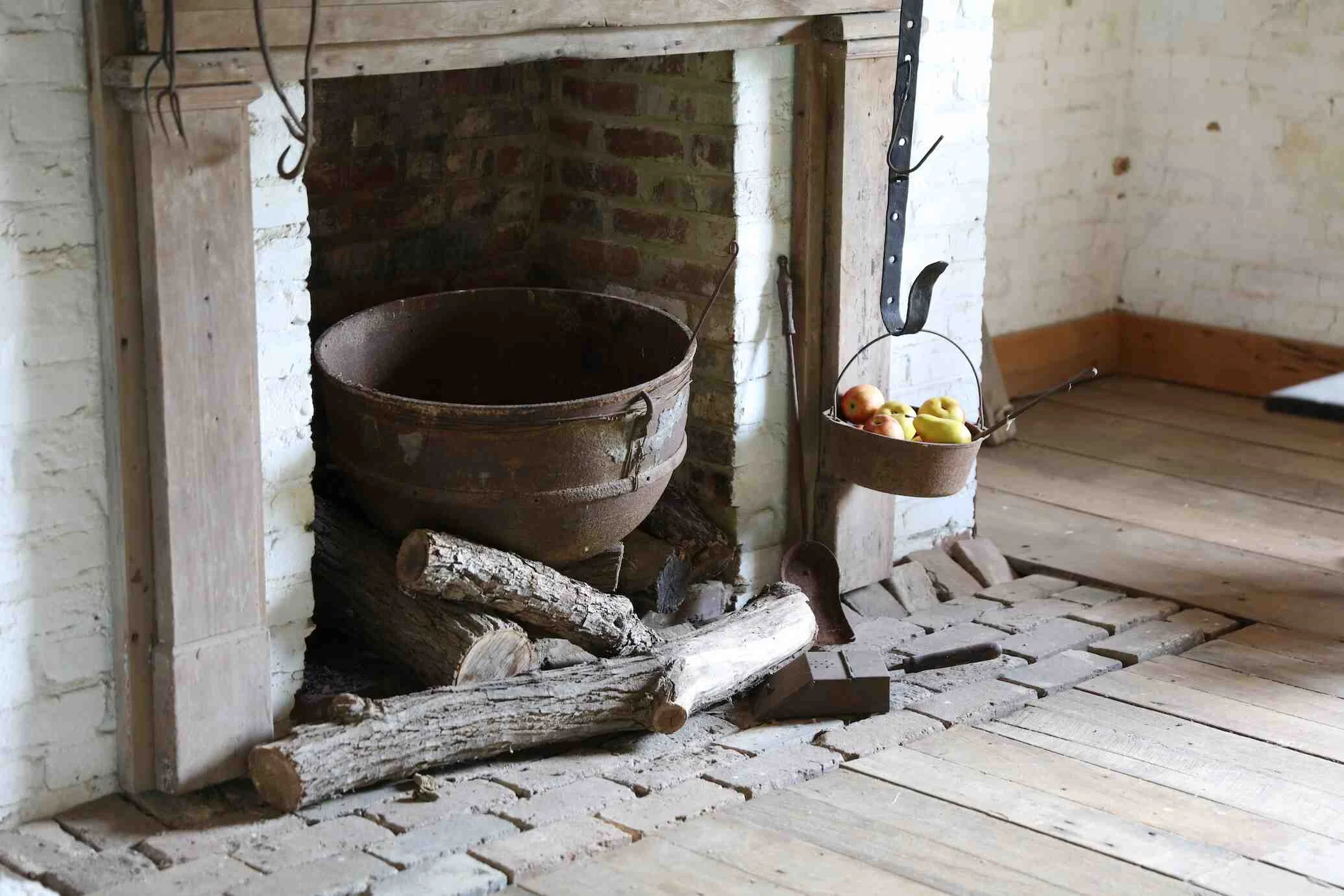
The Transition to Biomass Fuels
One of the most significant sustainable hearth trends shaping the industry is the shift towards biomass fuels. Traditional wood-burning fireplaces have long been known for their inefficiency and emissions. However, modern fireplaces and heating appliances are now designed to burn biomass fuels like wood pellets, corn, and other renewable resources. These fuels are carbon-neutral because they release as much carbon as they absorb during their growth, reducing the overall carbon footprint of heating systems.
Biomass fuels not only produce fewer emissions but are also cost-effective, making them a sustainable and economical choice for homeowners. With the advent of pellet stoves and biomass boilers, consumers have more options than ever to heat their homes while minimizing their environmental impact.
Improved Insulation and Energy Efficiency
Sustainable hearth trends are also pushing for better insulation and energy efficiency in heating systems. The efficiency of a heating appliance is crucial in reducing energy consumption and lowering utility bills. Modern hearths are now equipped with advanced insulation materials, better sealing, and cutting-edge technology to ensure that the heat generated is retained within the living space.
In addition to reducing energy consumption, improved insulation also provides more comfort to homeowners. They can enjoy a cozy, warm environment without constantly adjusting the thermostat. This not only saves energy but also enhances the overall home experience.
Eco-friendly Hearth Design
The design of hearth and fireplace installations is also evolving to incorporate more sustainable materials and practices. Traditional fireplaces often relied on materials like brick or stone, which are not always environmentally friendly to produce. However, sustainable hearth trends emphasize the use of eco-friendly materials such as reclaimed wood, recycled steel, and non-toxic paints and finishes.
Furthermore, designers are focusing on more efficient and space-saving designs. Built-in fireplaces and inserts are becoming increasingly popular as they take up less room and distribute heat more effectively throughout the home. This results in a more sustainable use of space and resources.
Smart Technology Integration
The integration of smart technology in hearth appliances is a key sustainable trend. Homeowners can now control their fireplaces and heating systems remotely using smartphones or other connected devices. This technology allows for precise temperature control, ensuring that the heating system is only used when necessary, reducing energy waste.
Furthermore, smart technology can monitor fuel consumption and provide real-time feedback on energy usage. This data empowers homeowners to make informed decisions about their heating habits, reducing their carbon footprint and energy bills simultaneously.
Renewable Energy Sources
The trend towards renewable energy sources is influencing the hearth industry as well. Solar panels, wind turbines, and other green energy systems can be integrated into the heating setup to reduce reliance on fossil fuels. This not only makes hearth systems more sustainable but also contributes to a more comprehensive green home strategy.
By harnessing renewable energy sources, homeowners can reduce their carbon emissions and potentially sell excess energy back to the grid, providing a financial incentive for sustainable hearth solutions.
Government Incentives and Regulations
Government incentives and regulations play a crucial role in shaping sustainable hearth trends. Many governments worldwide are offering tax incentives and rebates for homeowners who choose energy-efficient and eco-friendly heating systems. Additionally, there are strict emissions regulations in place to limit the environmental impact of hearth appliances.
These incentives and regulations not only encourage homeowners to adopt sustainable hearth solutions but also drive innovation within the industry. Manufacturers are constantly striving to meet these regulations and provide more eco-friendly options to consumers.
Education and Awareness
Increased education and awareness about the environmental impact of traditional hearth systems are also fueling the sustainable hearth trend. Homeowners are becoming more conscious of their carbon footprint and are actively seeking information on how to reduce it. Industry experts, environmental organizations, and manufacturers are all contributing to this knowledge base.
Homeowners are learning about the benefits of sustainable hearth solutions, and as the demand for these products increases, so does the motivation for the industry to provide more environmentally responsible options.
Conclusion
Sustainable hearth trends are undoubtedly shaping the industry, as homeowners and manufacturers alike recognize the importance of reducing our environmental impact. From the transition to biomass fuels and improved insulation to eco-friendly designs, smart technology integration, and the integration of renewable energy sources, the hearth industry is evolving in response to the urgent need for more sustainable living solutions.
As government incentives and regulations continue to push for greener alternatives, and as education and awareness grow, the momentum towards sustainable hearth solutions will only intensify. Homeowners looking to reduce their carbon footprint and save on energy costs are increasingly turning to these environmentally responsible options, which offer both comfort and peace of mind in the face of our ever-changing climate challenges. With these trends, the hearth industry is not only staying warm; it"s also warming up to a brighter, greener future.
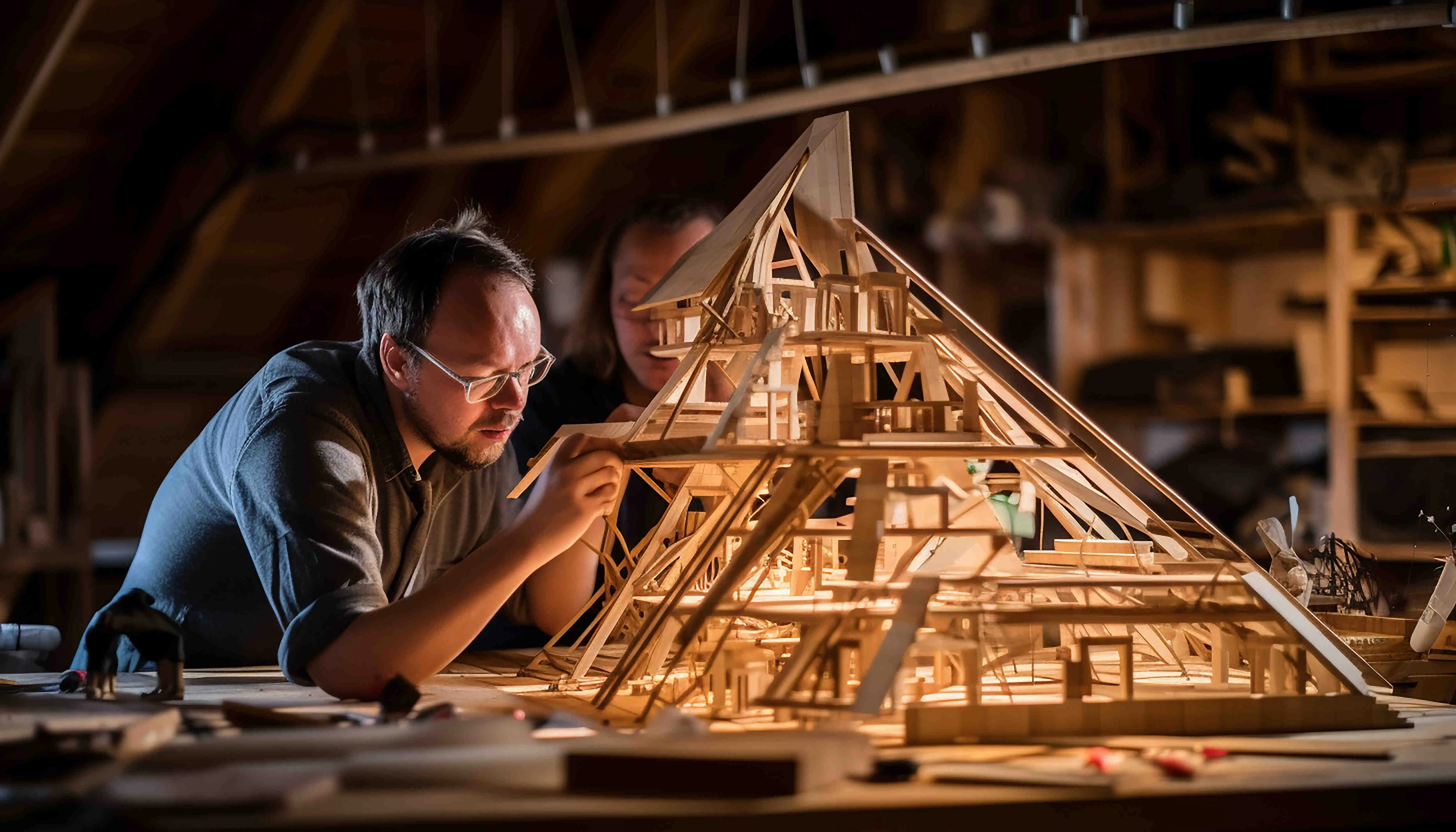
The world of carpentry is buzzing with innovations, trends, and transformative technologies. For carpenters, keeping up with these changes isn"t just about staying ahead in the game; it"s about ensuri...
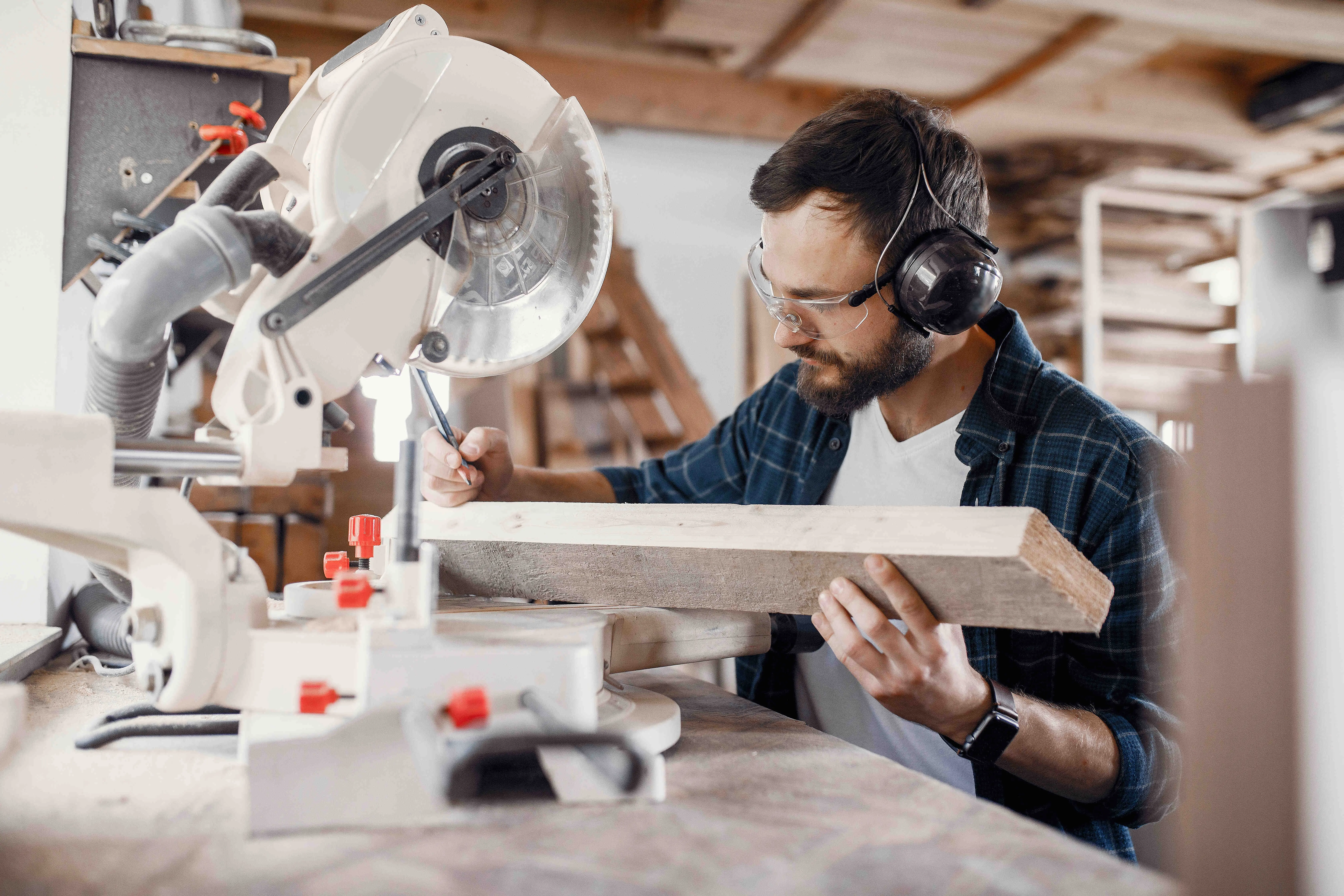
In an era where technology weaves through every facet of our lives, the carpentry profession is no exception to its transformative power. Welcome to "Carpentry Chronicles," a blog series dedicated to ...

Welcome to "Carpentry Chronicles," a blog series dedicated to navigating the ever-evolving landscape of carpentry. In this edition, we dive into a trend reshaping the carpentry domain—customizat...
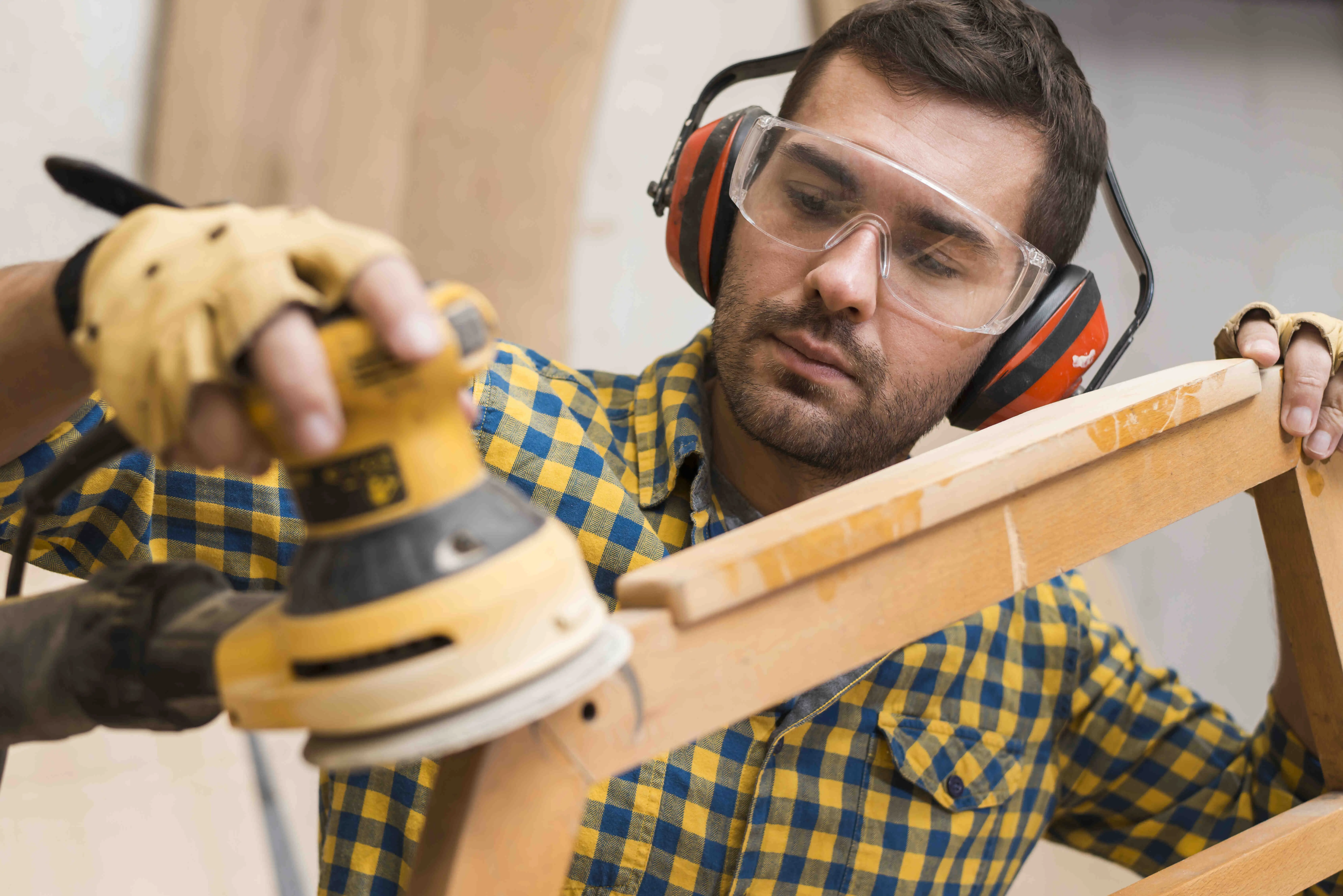
In the bustling world of carpentry, safety isn"t just a precaution; it"s a fundamental necessity. Welcome to "Carpentry Chronicles," a blog series committed to navigating the ever-evolving landscape o...
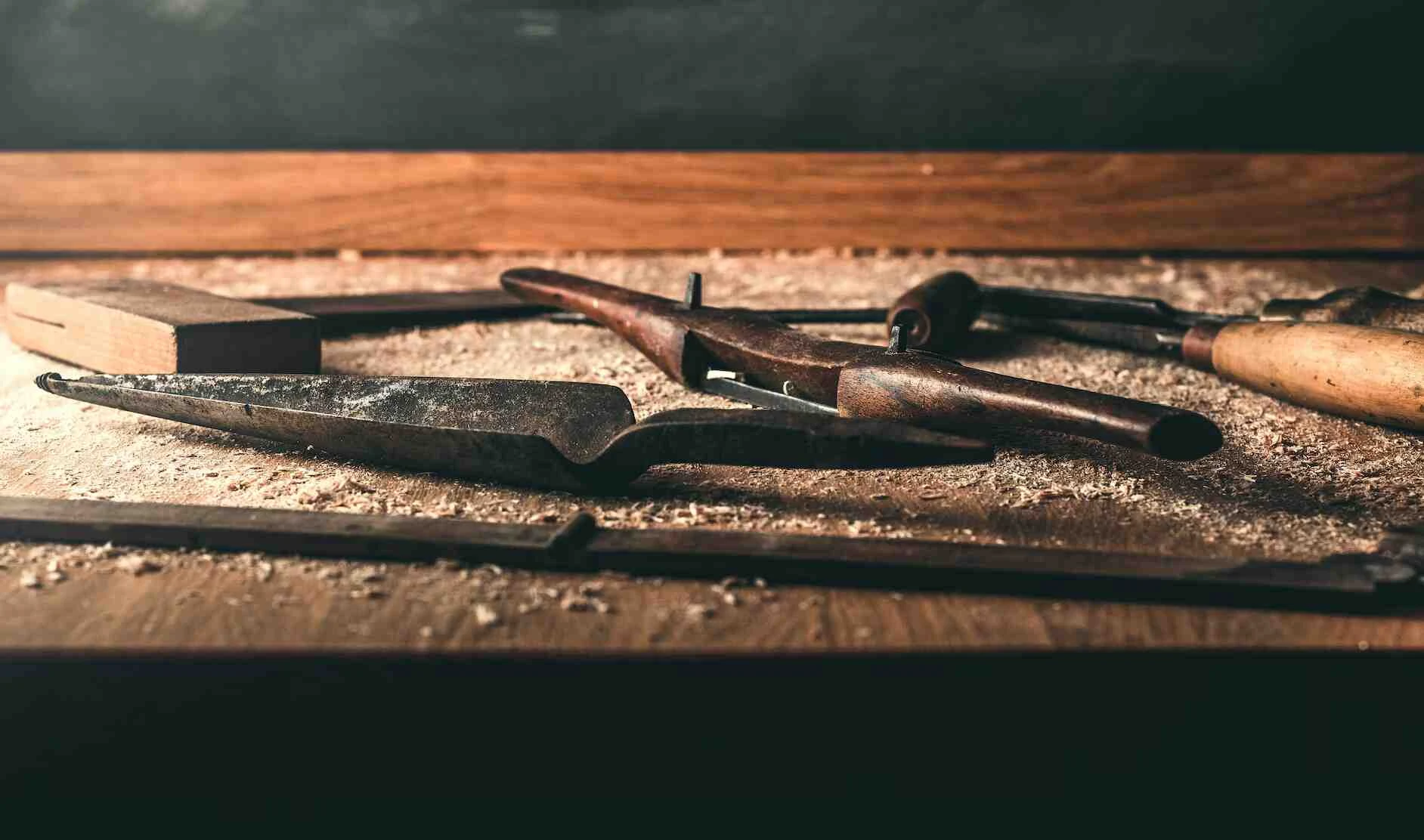
In carpentry, where wood meets creativity, mastery is not just a goal; it"s a journey. Welcome to "Carpentry Chronicles," a blog series that peels back the layers of carpentry to reveal the artistry a...
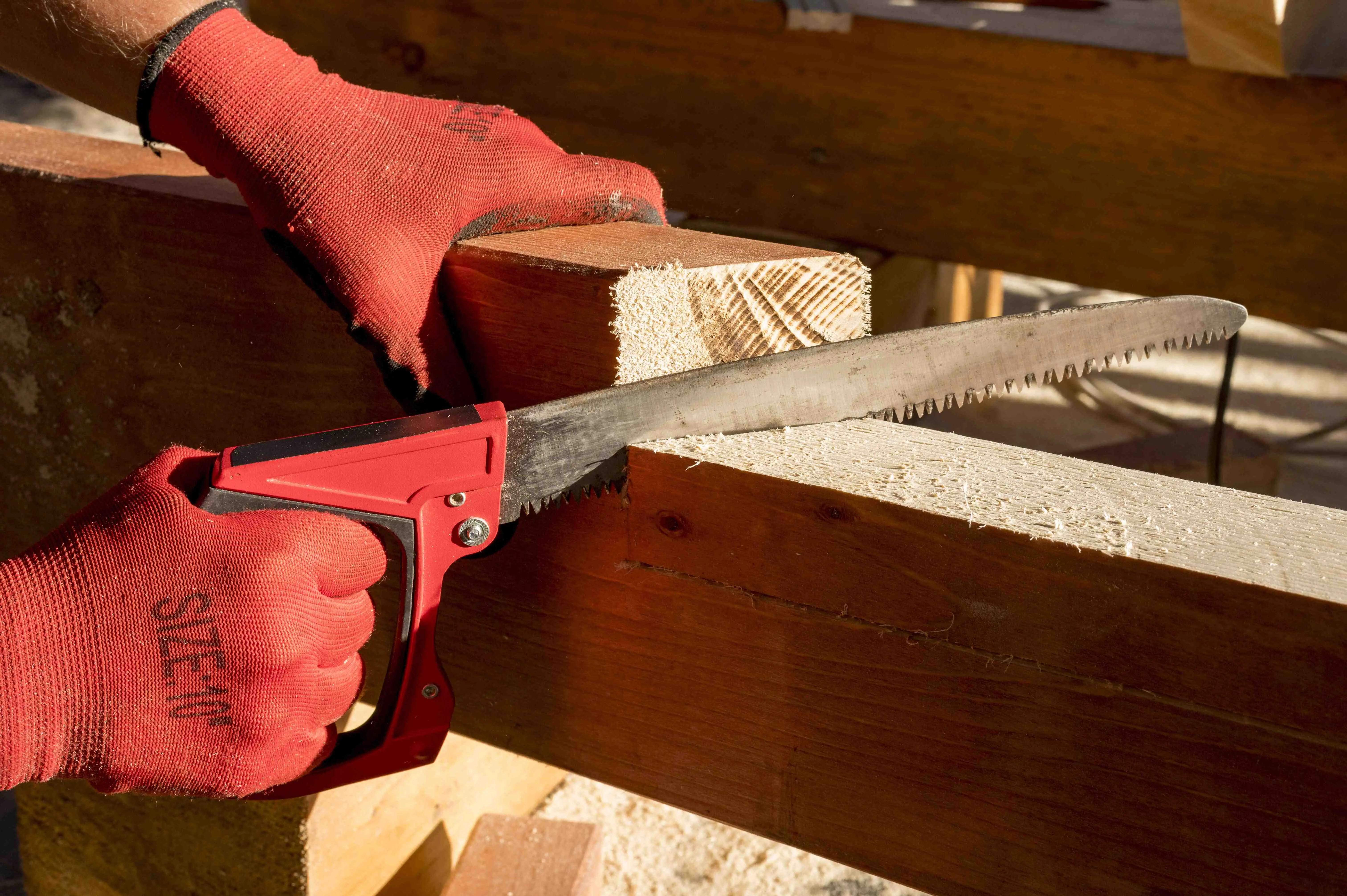
In the ever-evolving design landscape, where trends come and go, one element stands timeless—wood. Welcome to "Carpentry Chronicles," a blog series committed to navigating the dynamic world of c...
Sign up to start winning an unlimited amount of jobs near you.


 Electrician
Gas Engineer
Electrician
Gas Engineer


Send more enquiries and explore your options
Increasing the number of potentials leads for you!
Have more control and flexibility over your finances!