


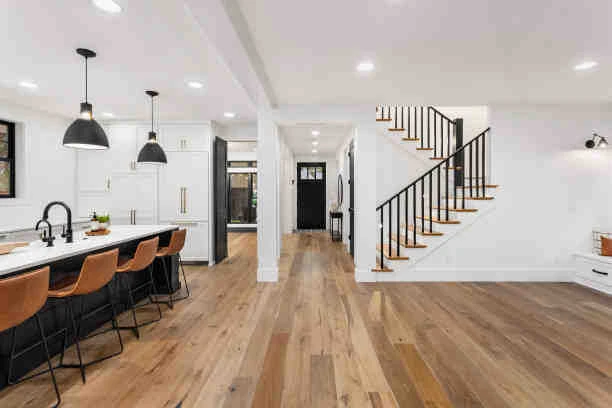
If you"re considering a conversion project, whether it"s transforming your basement into a cozy den, a garage into a home office, or an attic into a charming bedroom, choosing sustainable flooring options is not only responsible but also aesthetically pleasing. Let"s delve into some of the most attractive and eco-friendly choices for your space, helping you create a warm, inviting atmosphere while reducing your carbon footprint.
1. Reclaimed Wood Flooring
One of the most charming and sustainable flooring options is reclaimed wood. It involves repurposing wood from old barns, factories, or other structures, giving it a new life as a beautiful and eco-friendly flooring material. Reclaimed wood flooring adds character to any space with its unique patina and history.
The benefits of reclaimed wood are twofold. Not only does it prevent new trees from being cut down, but it also reduces waste by recycling existing materials. When considering reclaimed wood, you"re not only creating a warm and inviting atmosphere, but you"re also reducing your environmental impact.
2. Bamboo Flooring
Bamboo is often considered the poster child for sustainable flooring options. This rapidly renewable resource can be harvested every five to seven years, making it a highly sustainable choice. Bamboo flooring is not only eco-friendly but also incredibly durable, with an elegant, contemporary appearance.
Bamboo"s exceptional strength and resilience make it perfect for high-traffic areas, making it an ideal option for conversions such as basements or kitchens. It"s a cost-effective, sustainable choice that can last for decades with proper care.
3. Cork Flooring
Cork flooring is a unique and environmentally responsible choice for conversions. Harvested from the bark of cork oak trees, the process doesn"t harm the trees, which continue to grow and produce more cork. This makes cork a renewable and sustainable resource.
Cork flooring is known for its comfort underfoot, excellent insulation properties, and acoustic benefits, making it an excellent choice for bedrooms, home offices, or any area where noise reduction is essential. Its natural, warm appearance adds a touch of elegance to your space, making it both beautiful and eco-friendly.
4. Linoleum Flooring
While often confused with vinyl, linoleum is a completely different material. It"s made from natural ingredients like linseed oil, cork dust, and wood flour, and it"s available in a wide range of colors and patterns. Linoleum flooring is biodegradable, low in VOCs (Volatile Organic Compounds), and a long-lasting flooring option, making it an eco-friendly choice for your conversions.
Due to its durability and moisture resistance, linoleum is an excellent option for bathrooms, kitchens, and laundry rooms, ensuring a sustainable and stylish makeover for your home.
5. Recycled Glass Tile Flooring
If you"re looking for a sustainable flooring option with a touch of artistic flair, recycled glass tile flooring is an excellent choice. These tiles are made from recycled glass bottles and other glass products, diverting waste from landfills and reducing the energy required for glass production.
Recycled glass tiles come in a variety of colors and patterns, allowing you to add a unique and artistic touch to your conversions. They are perfect for spaces where you want to create a vibrant, colorful, and sustainable environment, such as a home art studio or a creative workspace.
6. Eucalyptus Flooring
Eucalyptus flooring is another renewable and sustainable option for your conversion project. Eucalyptus trees grow exceptionally fast, with some species maturing in as little as 10 years. This rapid growth makes it an attractive choice for environmentally conscious homeowners.
Eucalyptus flooring comes in various finishes and styles, making it suitable for nearly any room in your home. Its modern, sleek appearance adds a touch of sophistication to your space while reducing your carbon footprint.
7. Recycled Metal Flooring
For those who want a truly unique and industrial look, recycled metal flooring is a compelling choice. These floors are often made from recycled steel, aluminum, or other metals, transforming discarded materials into something beautiful and functional.
Recycled metal flooring can be used in various conversion projects, particularly in industrial or modern designs. Its durability and distinctive appearance make it a sustainable option that adds a touch of industrial chic to your space.
8. Hemp Flooring
Hemp is an incredibly versatile and sustainable plant that can be used for various purposes, including flooring. Hemp flooring is made from the fibers of the hemp plant, which grows quickly and requires minimal pesticides or herbicides. It"s a renewable resource with excellent durability, making it a long-lasting choice for your home.
Hemp flooring has a natural, earthy appearance and works well in bedrooms, living rooms, and other cozy spaces. Its ability to resist mold and mildew also makes it a great choice for basements and other potentially damp areas.
9. Rubber Flooring
Recycled rubber flooring is a unique and eco-friendly option, often sourced from discarded tires. This sustainable flooring material is exceptionally resilient and is a popular choice for commercial and home gym spaces, but it can also be an interesting addition to other conversions.
Rubber flooring is available in various colors and patterns, allowing you to add a playful or modern touch to your space. It"s easy to clean, comfortable underfoot, and provides excellent slip resistance.
10. Concrete Flooring
Concrete might not be the first material that comes to mind when you think of sustainable flooring, but it can be an eco-friendly choice when done right. Polished concrete floors are energy-efficient, easy to maintain, and long-lasting, reducing the need for replacement and associated waste.
With the right finish and stain, concrete flooring can be a sleek and modern choice for various conversions. It"s particularly well-suited for open-concept spaces, where its minimalist look can shine.
Conclusion
Choosing sustainable flooring for your conversion project isn"t just an eco-conscious decision; it"s an opportunity to enhance the beauty and functionality of your space. Whether you opt for the warmth of reclaimed wood, the durability of bamboo, or the unique appeal of recycled glass tiles, each of these sustainable options has its charm and environmental benefits.
The choices are diverse, and they cater to different tastes, styles, and practical needs. With these sustainable flooring options, you can elevate your space while minimizing your carbon footprint. It"s time to embark on a journey toward a greener, more beautiful, and more eco-conscious home. Your conversions can be a shining example of how sustainability and style can coexist harmoniously.

Introduction: In carpentry, time is money, and workflow is the pulse that keeps the business alive. Yet, many carpenters need help with a disjointed workflow, stifling efficiency and sapping the joy o...
.webp)
Introduction: Carpentry more than just a trade, is an art form. The journey to mastery involves constantly honing one"s skills, a voyage where every chisel stroke and nail-driven shapes not just ...
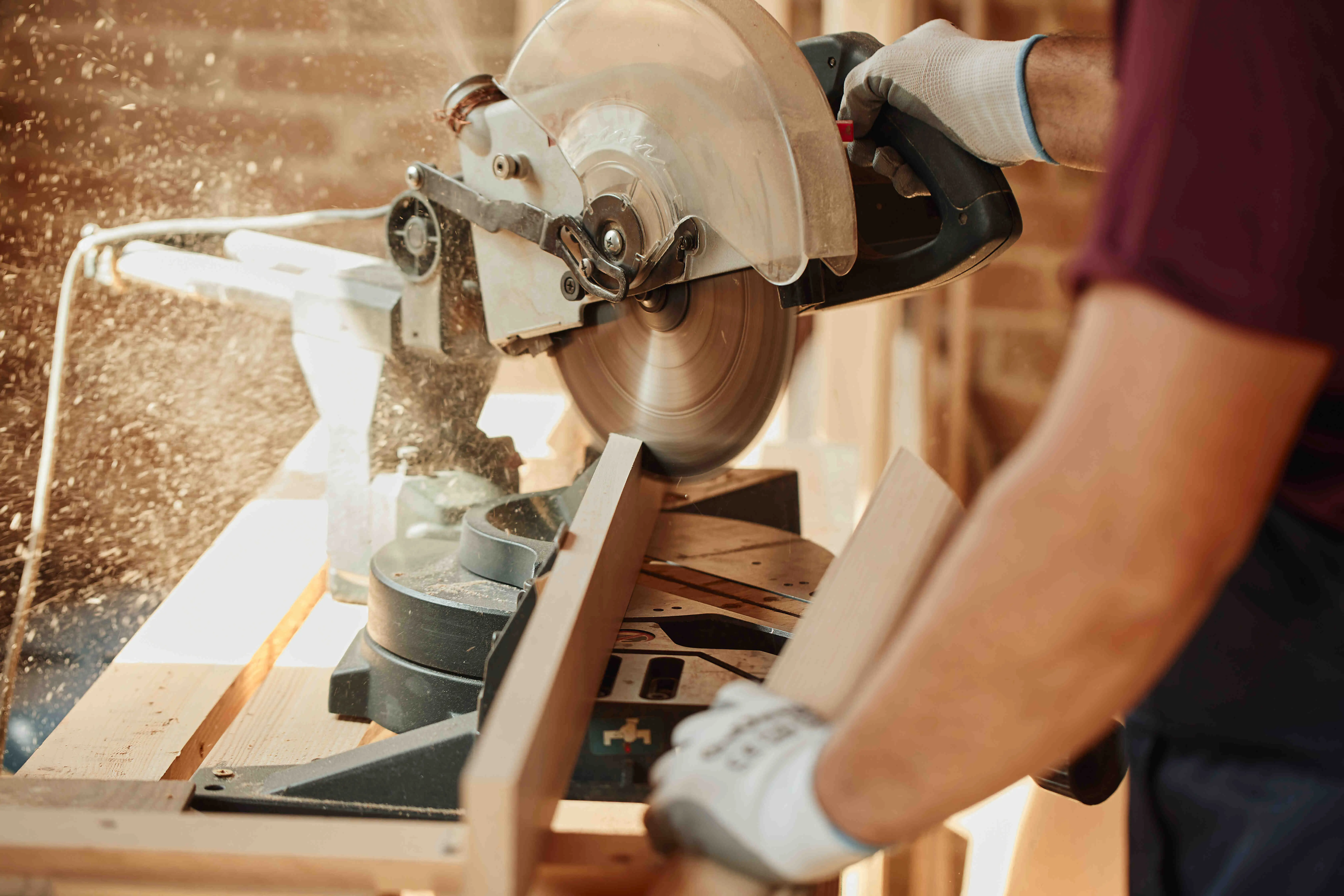
In the world of woodworking, every piece of timber tells a story - a tale of craftsmanship, dedication, and wisdom. For aspiring woodworkers and seasoned artisans alike, this blog is a collection of T...
In the world of woodworking, every piece crafted is a note in the symphony of a carpenter"s career. Yet, to compose a melodious tune, one must prioritize the conductor - their health and longevity. Th...
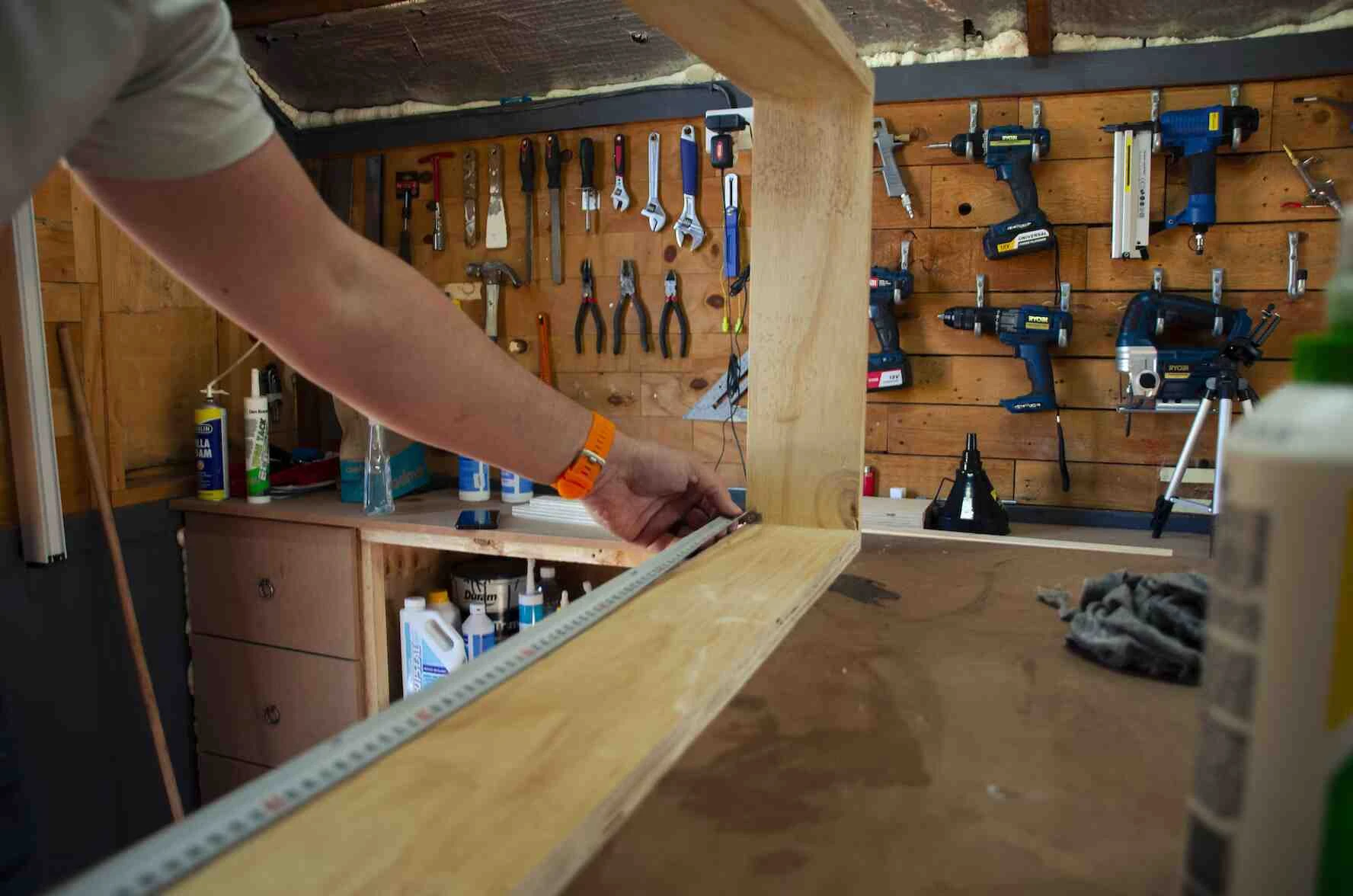
In carpentry, precision isn"t just about chiselling wood; it"s about chiselling a successful business. Financial stability and growth are the building blocks of a carpentry enterprise. Welcome to "Cra...

In the world of woodworking, creating something beautiful is not just an art—it"s a responsibility. A responsibility towards the craft, the client, and most importantly, the safety and well-bein...
Sign up to start winning an unlimited amount of jobs near you.


 Electrician
Gas Engineer
Electrician
Gas Engineer


Send more enquiries and explore your options
Increasing the number of potentials leads for you!
Have more control and flexibility over your finances!