


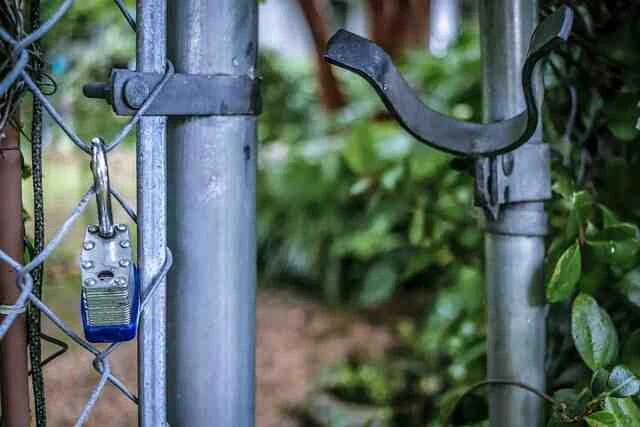
1. **Recycled Materials**: The use of recycled materials is one of the most significant trends in sustainable fencing. Post-consumer and post-industrial plastics, reclaimed wood, and recycled metals are increasingly being used to create fencing options that not only look great but also reduce the environmental impact. Recycled materials help divert waste from landfills, reducing the need for virgin resources.
2. **Bamboo Fencing**: Bamboo is an incredibly sustainable material. It grows quickly and can be harvested without killing the plant. As a result, bamboo fencing has gained popularity in the industry. Bamboo is not only durable but also aesthetically pleasing. It adds a touch of natural beauty to any outdoor space.
3. **Living Fences**: Living fences are a remarkable way to combine functionality with sustainability. Using fast-growing plants like willow, bamboo, or even climbing roses, these living fences not only provide privacy but also absorb carbon dioxide and release oxygen. They require maintenance but are a beautiful and eco-friendly option.
4. **Metal Fencing with Recycled Content**: Traditional metal fences, like wrought iron and steel, are known for their longevity. Today, many metal fencing manufacturers are incorporating recycled content into their products, reducing the environmental impact of their production. These fences can be stylish, sturdy, and sustainable.
5. **Composite Fencing**: Composite materials made from a blend of recycled plastics and wood fibers are becoming more popular in the fencing industry. These fences mimic the look of natural wood but require less maintenance and don"t contribute to deforestation. They are also resistant to rot, decay, and pests.
6. **Solar-Powered Fence Lights**: Sustainability isn"t just about the materials; it"s also about energy efficiency. Solar-powered fence lights are a great addition to any fence. They harness the power of the sun to provide illumination at night, reducing the reliance on conventional electricity sources.
7. **Local Sourcing and Manufacturing**: Focusing on local materials and manufacturing is another trend that"s reducing the carbon footprint of fencing. Sourcing materials locally cuts down on transportation emissions, and supporting local businesses helps the community and reduces environmental impact.
8. **Upcycling**: Some creative homeowners and businesses are finding ways to upcycle materials into unique and sustainable fences. Old doors, window frames, or even bicycles can be repurposed into fencing, adding a distinctive touch to outdoor spaces while reducing waste.
9. **Easy Disassembly and Recycling**: Another important aspect of sustainable fencing is its end-of-life management. Fences designed for easy disassembly and recycling ensure that the materials can be reused or disposed of in an environmentally friendly manner when the fence is no longer needed.
10. **Education and Regulation**: Increasing awareness of the environmental impact of fencing materials and practices is driving change within the industry. Regulations and certifications related to sustainable fencing are being developed to guide manufacturers and consumers toward more eco-friendly choices.
As consumers become more eco-conscious, sustainable fencing options are no longer just a niche market. They are a driving force in the industry, leading to innovative designs and materials that are not only better for the planet but also offer long-lasting, attractive solutions for property owners. Whether you"re a homeowner or a professional in the fencing business, these sustainable fencing trends provide a wealth of options to choose from while contributing to a more environmentally responsible future.
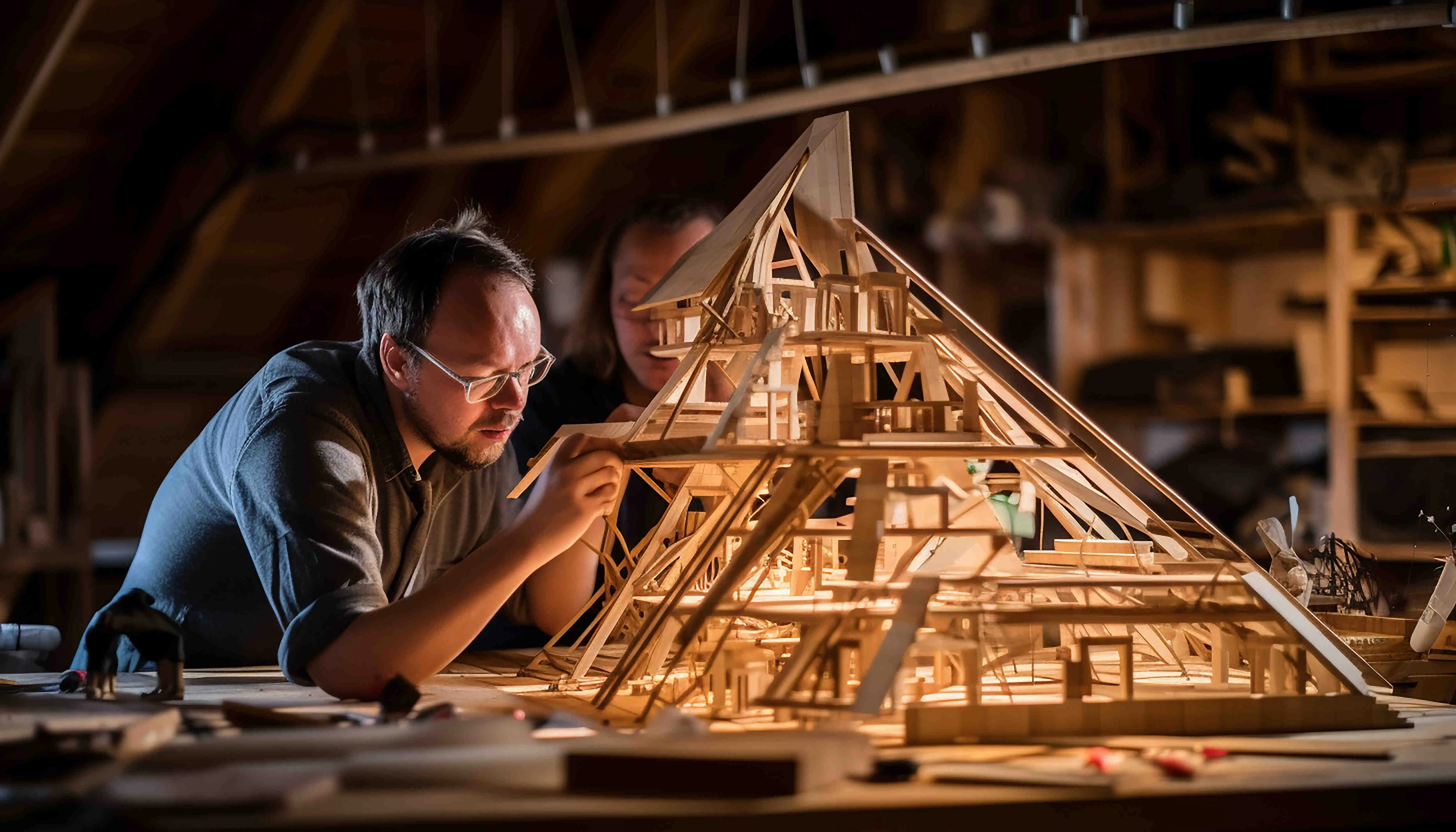
The world of carpentry is buzzing with innovations, trends, and transformative technologies. For carpenters, keeping up with these changes isn"t just about staying ahead in the game; it"s about ensuri...

In an era where technology weaves through every facet of our lives, the carpentry profession is no exception to its transformative power. Welcome to "Carpentry Chronicles," a blog series dedicated to ...

Welcome to "Carpentry Chronicles," a blog series dedicated to navigating the ever-evolving landscape of carpentry. In this edition, we dive into a trend reshaping the carpentry domain—customizat...
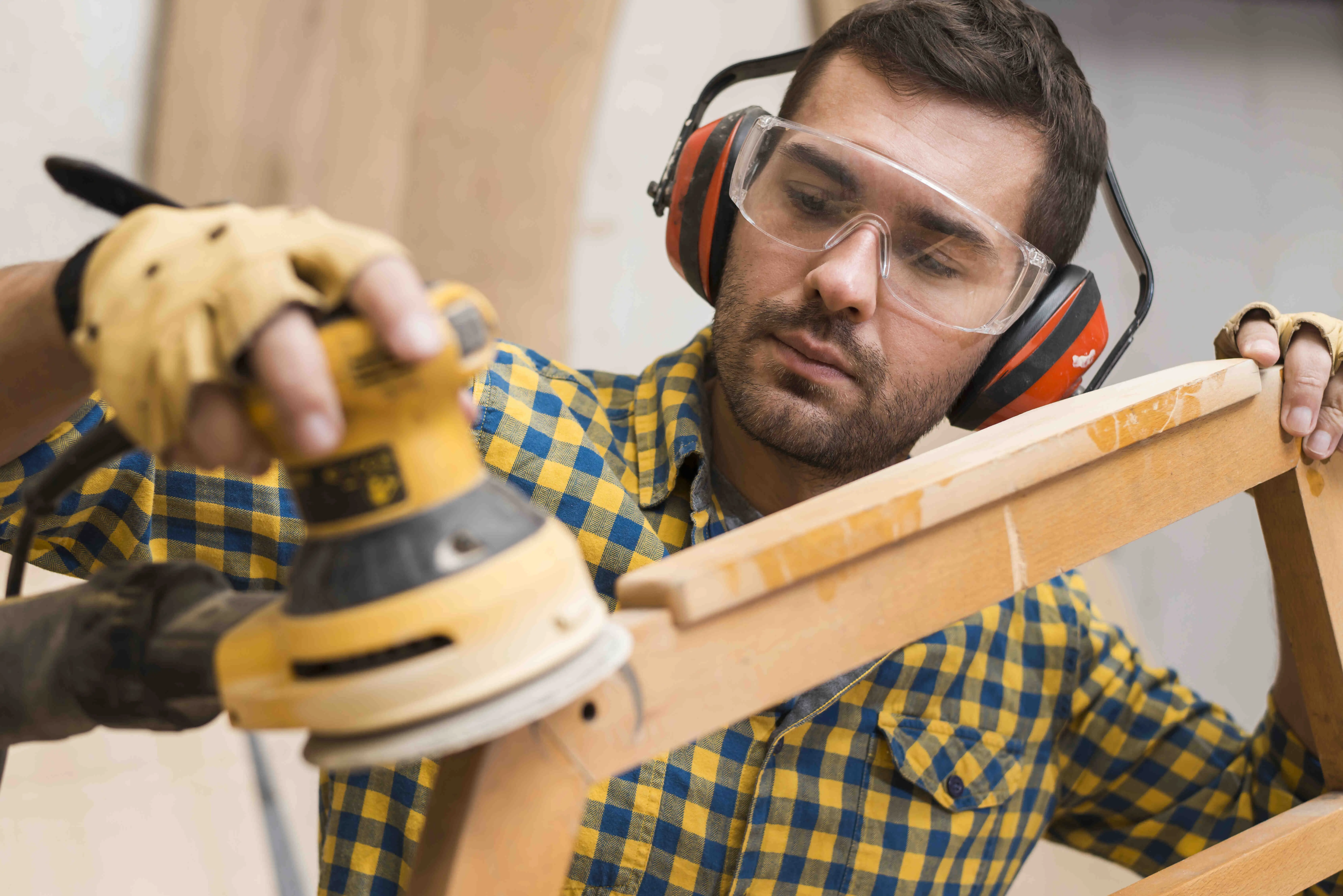
In the bustling world of carpentry, safety isn"t just a precaution; it"s a fundamental necessity. Welcome to "Carpentry Chronicles," a blog series committed to navigating the ever-evolving landscape o...
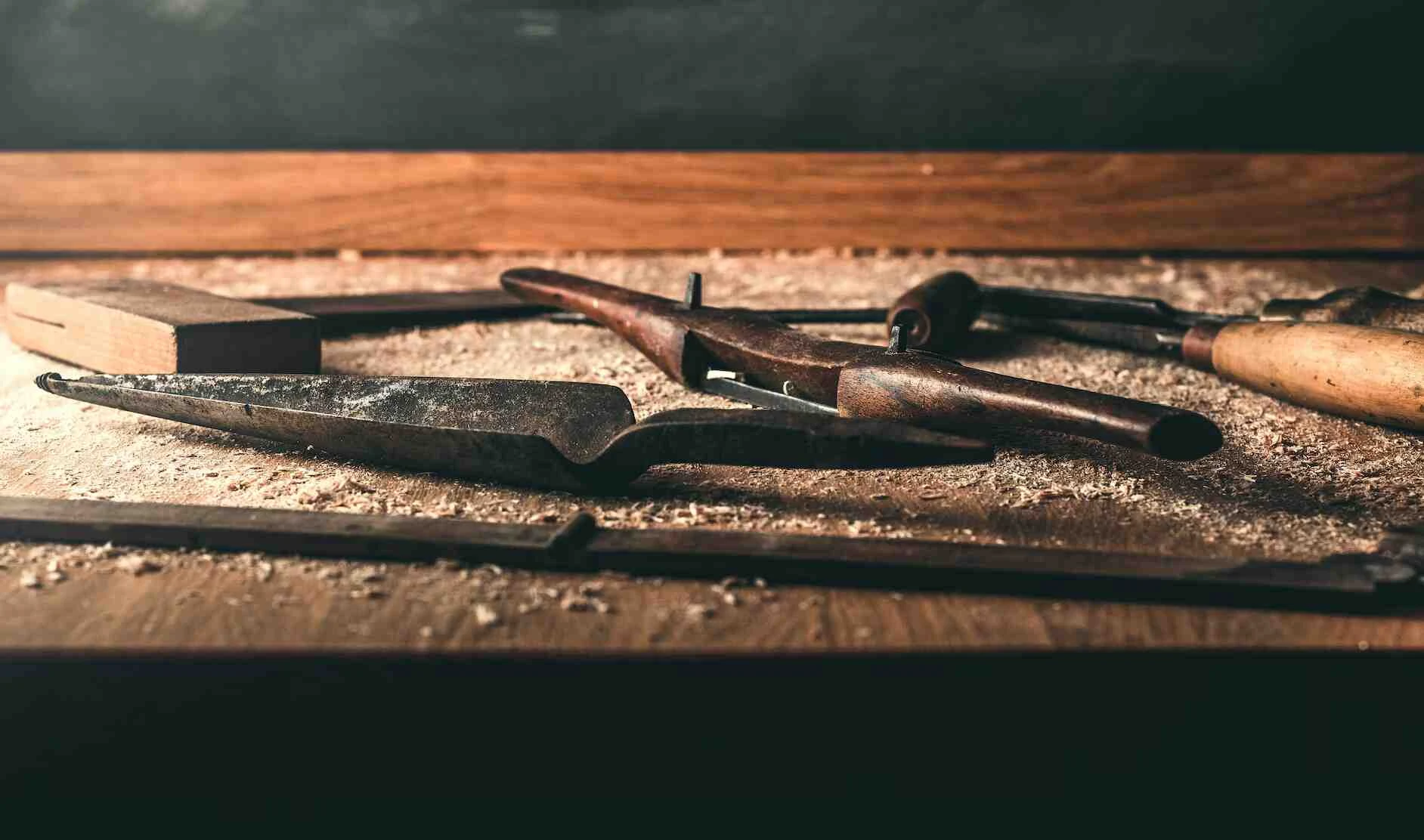
In carpentry, where wood meets creativity, mastery is not just a goal; it"s a journey. Welcome to "Carpentry Chronicles," a blog series that peels back the layers of carpentry to reveal the artistry a...
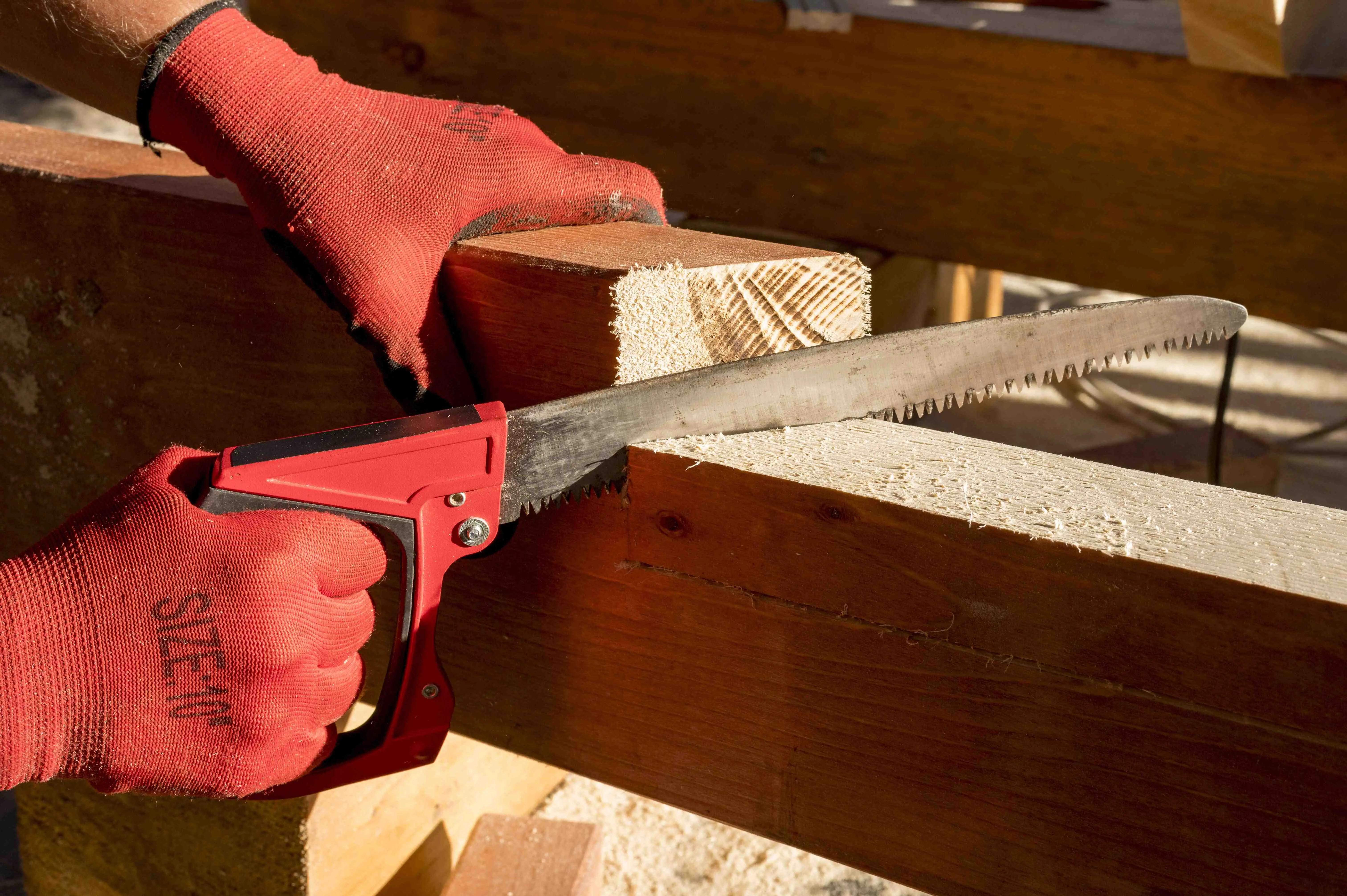
In the ever-evolving design landscape, where trends come and go, one element stands timeless—wood. Welcome to "Carpentry Chronicles," a blog series committed to navigating the dynamic world of c...
Sign up to start winning an unlimited amount of jobs near you.


 Electrician
Gas Engineer
Electrician
Gas Engineer


Send more enquiries and explore your options
Increasing the number of potentials leads for you!
Have more control and flexibility over your finances!